Key Takeaways
This blog explains how internal linking works on dental websites and why it matters for dental SEO. You will learn simple steps to connect your web pages the right way, rank higher on Google, and even get your practice noticed by AI tools like ChatGPT and Perplexity. Whether you run a solo practice or a multi-location dental group, this guide will help you grow your new patient numbers through smarter website structure.
- Content Connectivity: Hyperlinks connecting internal URLs help crawlers evaluate practice services.
- Guided Patient Journey: Direct pathways push traffic from informational resources to appointment CTAs.
- Local Rank Value: Geographically targeted links strengthen your relevance in Map Pack profiles.
- AEO Sourcing: Structured internal pathways feed recommender bots with verified content.
- What Is Internal Linking and Why Does It Matter for Dental SEO
- How Internal Links Help New Patients Find You
- The Right Way to Build Your Internal Linking Structure
- Internal Linking for Local SEO for Dentists
- Internal Linking and Content Marketing Working Together
- AI Search Optimization and Internal Linking
- Future-Proofing Your Dental Practice with Smart SEO
- Common Internal Linking Mistakes Dental Websites Make
- A Simple Internal Linking Checklist for Dental Websites
- Final Thoughts
- Frequently Asked Questions
What Is Internal Linking and Why Does It Matter for Dental SEO
Internal linking means connecting one page on your website to another page on the same website. For example, your homepage might link to your dental implant page. That link is an internal link.
For dental SEO, internal linking is one of the most powerful and most ignored tools. It helps Google understand what your website is about. It also helps patients move from one page to the next without getting lost.
When Google crawls your dental website, it follows links. If your pages are well connected, Google finds them faster and ranks them better. That means more people searching for a dentist in your area will find you first. Learn more about website structure in our technical dental SEO guide.
Good internal linking is a core part of search engine optimization for dentists. It is not just about keywords. It is about how your whole website is organized and how each page supports the others.
How Internal Links Help New Patients Find You
Think about how a new patient uses your website. They land on your homepage. They want to learn about dental implants. If there is no link to your implant page, they leave. You lost that patient.
A strong internal linking structure keeps patients moving through your site. It guides them from general pages to specific service pages. It moves them from reading to booking an appointment. Review treatment strategies in our dental implants guide.
This is called the patient journey. Dental SEO marketing is not just about getting traffic. It is about turning that traffic into real patient leads and booked appointments.
Here is a simple example of how internal links can guide a patient: Homepage links to Services Page. Services Page links to Dental Implants Page. Dental Implants Page links to a Contact or Booking Page. That path works. Without those links, patients get stuck and leave.
 Figure 1: Transparent navigation paths move visitors seamlessly toward scheduling forms.
 The Right Way to Build Your Internal Linking Structure
Not all internal links are equal. There is a right way and a wrong way to do this for dental SEO.
Start with your most important pages. These are usually your homepage, your top service pages like dental implants and cosmetic dentistry, and your local SEO pages targeting nearby areas.
Use clear anchor text. Anchor text is the clickable words in a link. Instead of writing "click here," write "learn more about our dental implant marketing services." That anchor text tells Google and the reader exactly what the linked page is about.
Link from high-traffic pages to lower-traffic pages. If your blog post about tooth pain gets lots of visits, add a link from that post to your emergency dentistry service page. You pass value from the popular page to the one that needs a boost.
Do not overdo it. Adding 30 links on one page looks spammy. Keep it natural. Aim for 3 to 5 internal links per page depending on the length of the content.
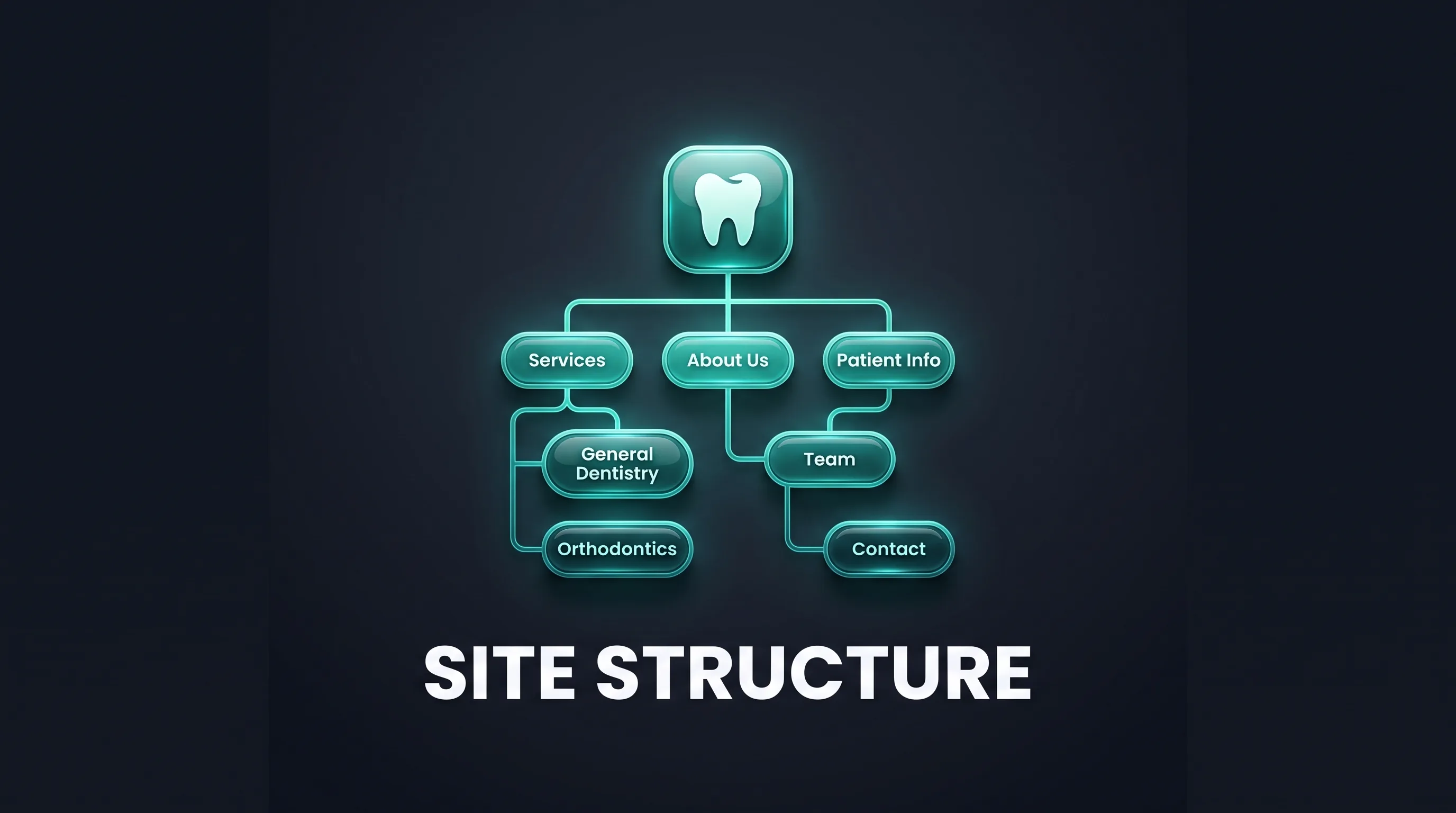 Figure 2: Keyword-focused, natural anchor text provides context to patients and search spiders.
 Internal Linking for Local SEO for Dentists
If you want to win local search rankings, internal linking must be part of your local SEO strategy. Local SEO for dentists means showing up when someone in your city or neighborhood searches for a dentist near them.
Here is how internal linking supports local dental SEO. Create location pages for each area you serve. Then link between those pages and your service pages. For example, your dental implants page should link to your location page for each city you target.
This tells Google that you serve those areas for that specific service. It improves your chances of ranking in Google Maps visibility and local search results. It also helps patients who are searching for a dentist in their specific neighborhood find the right page on your site. Review setups in our GBP setup guide.
For dental practices with more than one location, this is even more important. A multi-location dental group or an emerging DSO needs a clear linking structure between each location page and each service page. Learn keyword research in our dental SEO guide.
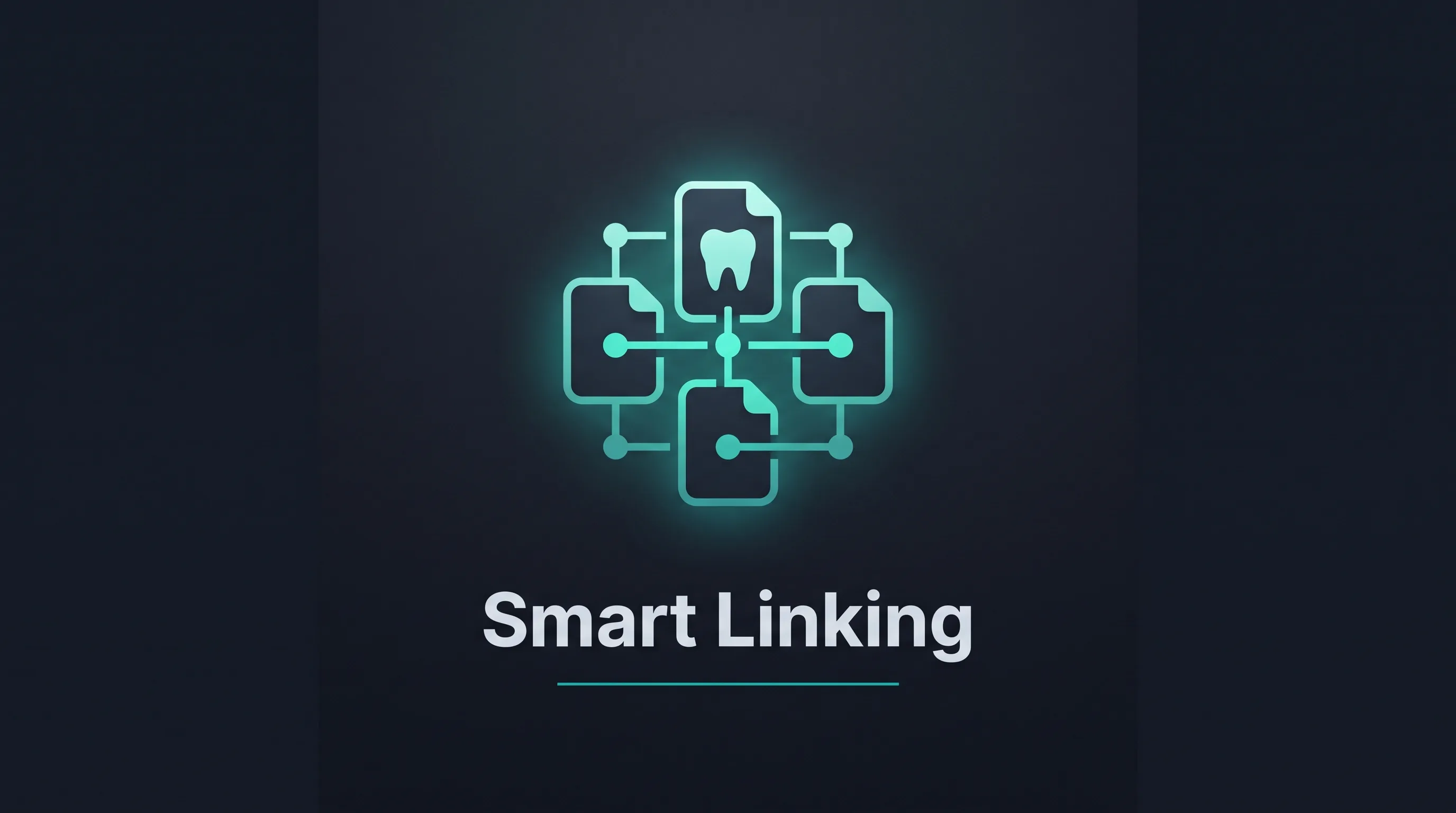 Figure 3: Intersecting dental services with city landing pages establishes regional relevance.
 Internal Linking and Content Marketing Working Together
Your blog is one of your most powerful internal linking tools. Every blog post you write is a chance to link back to your core service pages.
A blog post about the cost of dental implants should link to your dental implant marketing page. A post about how to choose a dentist should link to your about page and your new patient page. A post about teeth whitening should link to your cosmetic dentistry page. Review cosmetic services in our veneers local SEO guide.
This is called content marketing with purpose. Authentic storytelling through blogs builds trust with readers. But if those blogs do not link back to your service pages, you are leaving rankings and patients on the table.
Dental SEO experts recommend reviewing your blog posts every few months. Add fresh internal links whenever you publish new content. Keep the connections between pages up to date. Review general parameters in our E-E-A-T trust guide.
 Figure 4: Blog entries pass authority down to money-generating service pages.
 AI Search Optimization and Internal Linking
Here is something most dental SEO companies are not talking about yet. Internal linking also affects how AI tools like ChatGPT, Perplexity AI, Google Gemini, and Microsoft Copilot understand your website.
These AI engines read websites and pull in information to answer user questions. When a patient types "best dental implant dentist near me" into Perplexity or Google Gemini, those tools look for websites that are well organized, clearly structured, and full of useful connected information.
A strong internal linking structure makes your content easier for AI to read and understand. It shows that your practice is an authority on specific dental topics. That increases your chances of being cited as a verified source in AI answers.
This is what experts now call Generative Engine Optimization or GEO. It is also called Answer Engine Optimization or AEO. Traditional dental SEO is no longer enough on its own. You need your website to be built in a way that AI tools can read, trust, and recommend. Review trackers in our zero-click search guide.
Getting cited by AI tools like ChatGPT or being featured in Perplexity answers puts your practice in front of patients who are not even using Google. That is a huge growth opportunity that most dental practices are completely missing right now. Learn setups in our GEO implementation guide.
 Figure 5: Conversational engines scan internal links to verify practice details.
 Future-Proofing Your Dental Practice with Smart SEO
The dental industry is changing fast. Search engine optimization for dentists looks very different today than it did just three years ago. AI is now part of how patients search for healthcare providers including dentists.
If your website is not structured for both traditional search and AI search, you are invisible to a growing number of potential patients. Traditional SEO focused on keywords and backlinks. That still matters. But now you also need your website to be set up for AI discovery. Learn more in our Google AI Overviews tutorial.
Internal linking is a foundation for both. It helps Google find your pages. It helps AI engines understand your content. It helps patients move through your site. It supports your dental SEO strategy from every direction.
Dental practices that invest in GEO and AEO now are going to have a major edge over competitors who are still doing only basic SEO. This is about future-proofing your practice and building a system that keeps bringing in new patients for years. Review recommendations in our guide on Answer Engine Optimization.
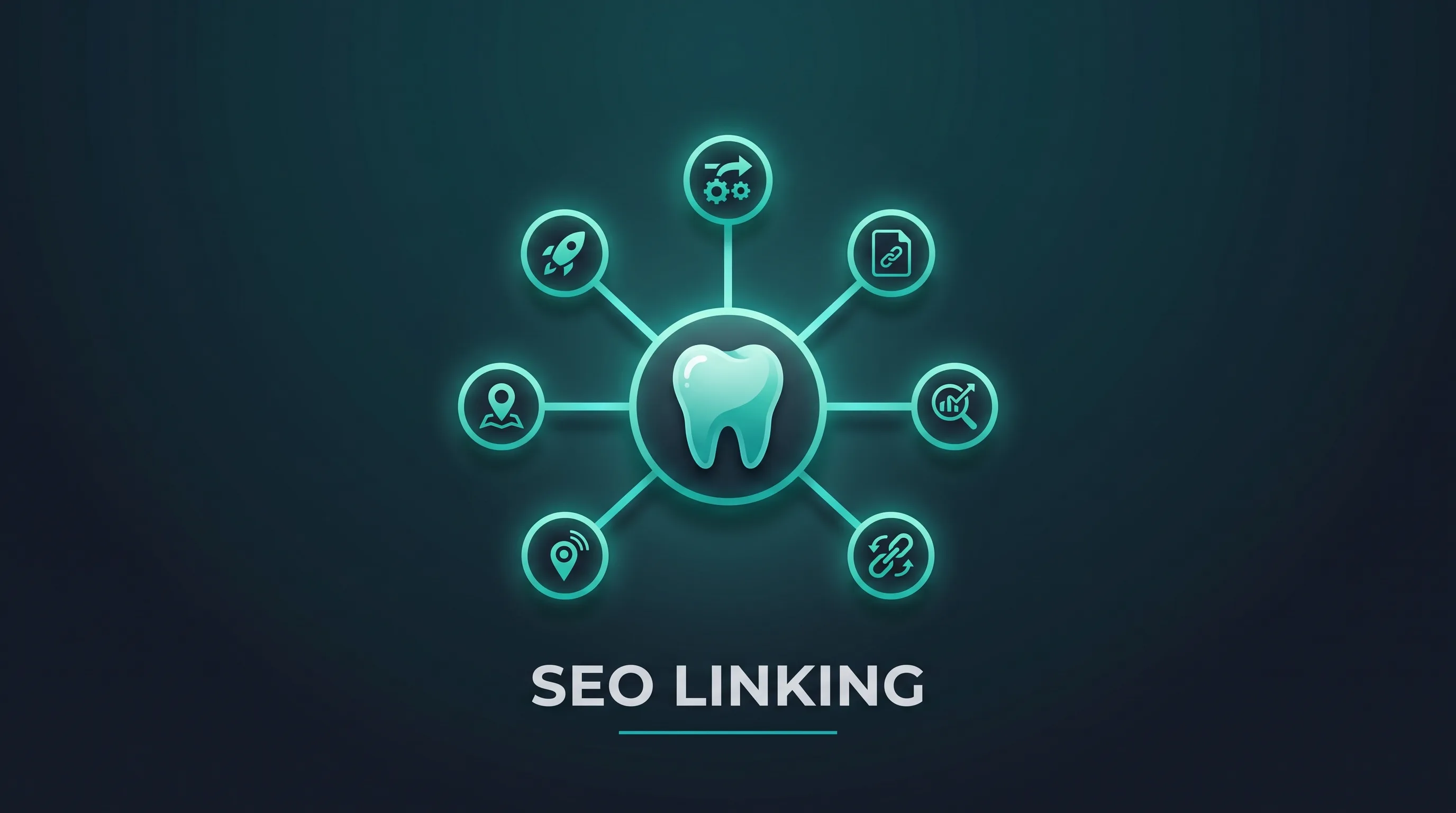 Figure 6: Evolving from keyword metrics to conversational recommenders requires structured linking.
 Common Internal Linking Mistakes Dental Websites Make
Even experienced dental marketing teams make these errors. Watch out for all of these.
- Broken Internal Links: Broken links are links that go to pages that no longer exist. Google sees these as a sign of a poorly maintained site. Run a check on your website every few months to find and fix broken links.
- Orphan Pages: Orphan pages are pages with no links pointing to them. Google has trouble finding them. Every page on your dental website should be linked to from at least one other page.
- Link Stuffing Blunders: Too many links on one page confuses both Google and patients. Keep your linking clean and focused.
- Generic Anchor Words: Generic anchor text like "click here" tells Google nothing. Always use descriptive anchor text that includes relevant dental SEO keywords and terms.
- Ignoring service pages: Ignoring your service pages is a common mistake in dental content marketing. Blog posts often get internal links but core service pages get ignored. Your implant page, your cosmetic page, and your new patient page need the most internal links pointing to them.
A Simple Internal Linking Checklist for Dental Websites
Use this list to review your website today.
- Bottom CTAs: Every service page links to a contact or booking page.
- Blog Outlinks: Every blog post links to at least one service page.
- Local Service Maps: Location pages link to relevant service pages.
- Core Priorities: Your homepage links to your top three to five priority pages.
- Contextual Anchors: All anchor text is descriptive and includes dental SEO relevant terms.
- Zero Brokens: No broken links exist anywhere on the site.
- No Orphans: No orphan pages exist without at least one internal link pointing to them.
- System Scans: Your site structure supports both Google and AI engine discovery. Review schemas in our schema guide.
Final Thoughts on Internal Linking and Dental SEO
Internal linking is not complicated but it does require a plan. For dentists who want to grow their practice, attract more new patients, and show up in both Google and AI search results, a strong internal linking structure is non-negotiable.
Whether you are working with a dental SEO agency, a dental SEO company, or managing your own dental search engine optimization, make internal linking a priority. It is one of the highest-return investments you can make in your dental website. Keep checklist audits regular using our dental local SEO checklist.
The future of dental SEO includes AI. Build your website to be ready for it. Start with your internal links today.

Ready to Dominate Local & AI Search?
Navigating the complexity of Local Map Packs, traditional search rankings, and emerging AI engine visibility can be difficult. Schedule a practice growth audit with our dental SEO specialists today. We will analyze your practice listings, audit your competitor strategies, and layout the exact plan needed to capture high-value cases.
Schedule Growth AssessmentFrequently Asked Questions
Internal linking is the practice of connecting one page on your dental practice's site to another page on the same domain (e.g., linking from a service page to your contact form).
It establishes page hierarchy, distributes link equity (ranking power) across service and location pages, and helps Google index new content much faster.
Anchor text is the clickable text in a hyperlink. Avoid generic terms like 'click here' and use descriptive keywords such as 'learn about our emergency dental services'.
Orphan pages are pages with no internal links pointing to them. Because search engine spiders cannot crawl them easily, they rarely index or rank in search results.
Search tools like Perplexity and Gemini crawl site paths to map credentials and services. Clean internal pathways make it easier for these engines to verify and cite your practice.