Key Takeaways
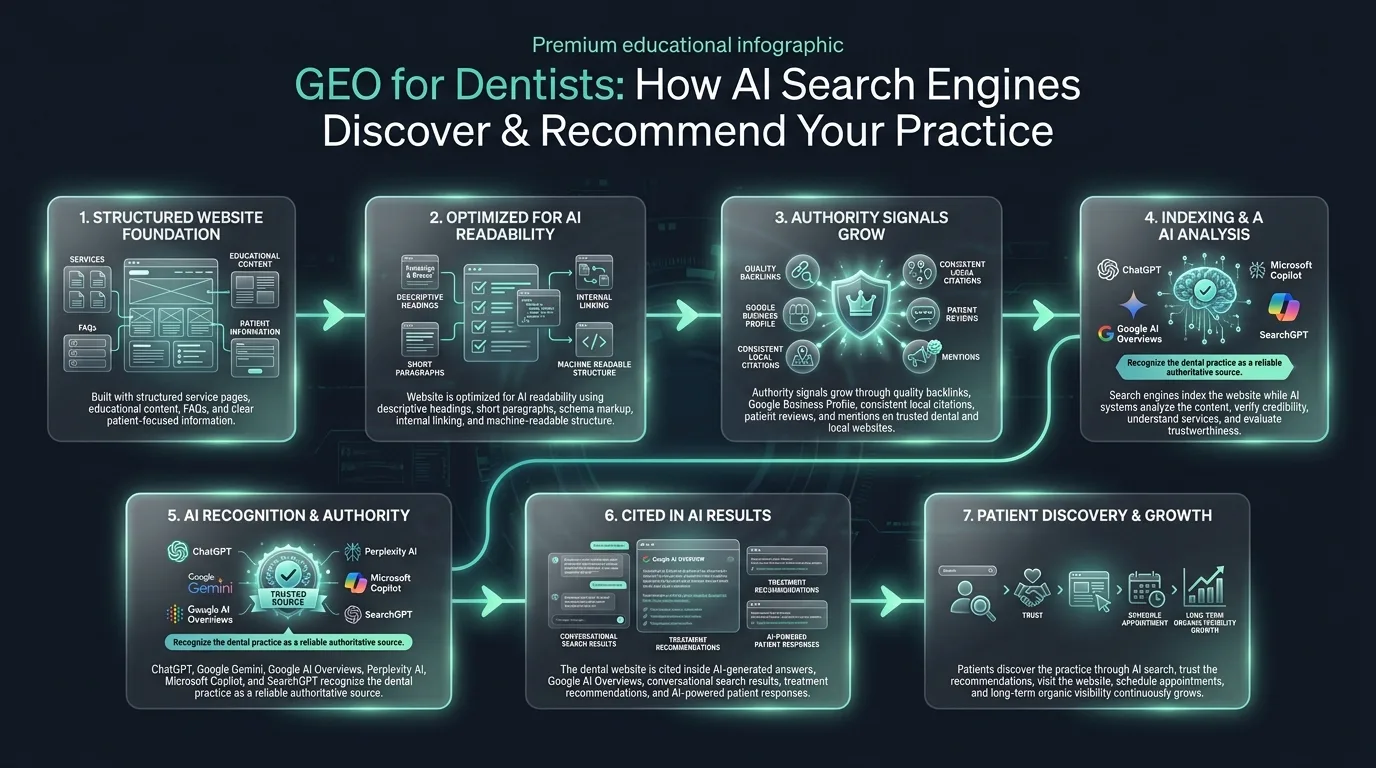
This blog explains what Generative Engine Optimization or GEO is and why it is now essential for every dental practice that wants to stay visible online. You will learn how GEO differs from traditional dental SEO, how to structure your dental website so AI tools like ChatGPT, Google Gemini, Perplexity AI, and Microsoft Copilot can find and recommend your practice, and why combining GEO with Answer Engine Optimization or AEO is the most powerful dental search strategy available today. If you want your practice to grow in a world where AI is changing how patients search, this guide is the place to start.
- AI Visibility Footprint: Shift optimization metrics from SERP positions to citation frequency.
- Structured Medical QAs: AI bots crawl direct answer segments to resolve patient search intent.
- Trust Signals Core: Reviews, local citations, and news backlinks determine AI recommendation confidence.
- AEO & GEO Synergy: AEO structures answers while GEO drives the authority to get recommended.
- What Is GEO and Why Every Dentist Needs to Know About It
- How GEO Differs from Traditional Dental SEO
- The Three Pillars of GEO for Dental Practices
- How to Get Cited by ChatGPT, Perplexity AI, Google Gemini, and Microsoft Copilot
- Answer Engine Optimization and How It Works with GEO
- Why Traditional Dental SEO Is No Longer Enough
- A Practical GEO Action Plan for Dental Practices
- Final Thoughts
- Frequently Asked Questions
What Is GEO and Why Every Dentist Needs to Know About It
Generative Engine Optimization or GEO is the practice of structuring your dental website and online presence so that AI-powered search engines can discover, understand, and confidently recommend your practice to patients.
Traditional search engine optimization for dentists focused on ranking in Google's list of ten blue links. GEO focuses on something different. It focuses on making sure your practice appears in the AI-generated answers that tools like ChatGPT, Google Gemini, Perplexity AI, Microsoft Copilot, and SearchGPT produce when patients ask them questions about dental care. Learn more in our comprehensive AI search optimization guide.
These AI tools do not show a list of websites. They generate one direct answer. If your dental practice is cited in that answer, you get immediate visibility with a patient who is actively seeking dental care. If you are not cited, you are completely invisible to that patient. Review strategies in our zero-click search strategy guide.
GEO is not a replacement for traditional dental SEO. It is an essential addition to it. Dental practices that understand this and act on it now will have a significant competitive advantage over those that wait.
How GEO Differs from Traditional Dental SEO
Traditional dental SEO and GEO share some common foundations but they are not the same strategy. Understanding the difference helps dental practices and dental SEO agencies invest their efforts in the right places.
Traditional dental search engine optimization focused on keyword rankings. The goal was to get your dental website to rank as high as possible for search terms like dentist near me, dental implants, or cosmetic dentistry. Success was measured by your position in Google's search results and the traffic that position generated. Review basic keyword setup in our dental keywords guide.
GEO shifts the focus from rankings to citations. The goal of GEO is to get your dental practice cited as a trusted and authoritative source in AI-generated answers. Success is measured by whether AI tools like ChatGPT, Google Gemini, and Perplexity recommend your practice when patients ask relevant questions.
The strategies that drive traditional dental SEO success, including keyword optimization, local citations, and backlink building, still matter in GEO. But GEO adds new requirements. It requires content structured around specific patient questions. It requires factual and specific information that AI engines can extract and present confidently. It requires a level of online authority that goes beyond keyword placement. Review directories in our citations guide.
For dental SEO agencies and dental SEO consultants, this means the service they provide to dental practice clients must now include GEO as a core component alongside traditional search engine marketing for dentists.
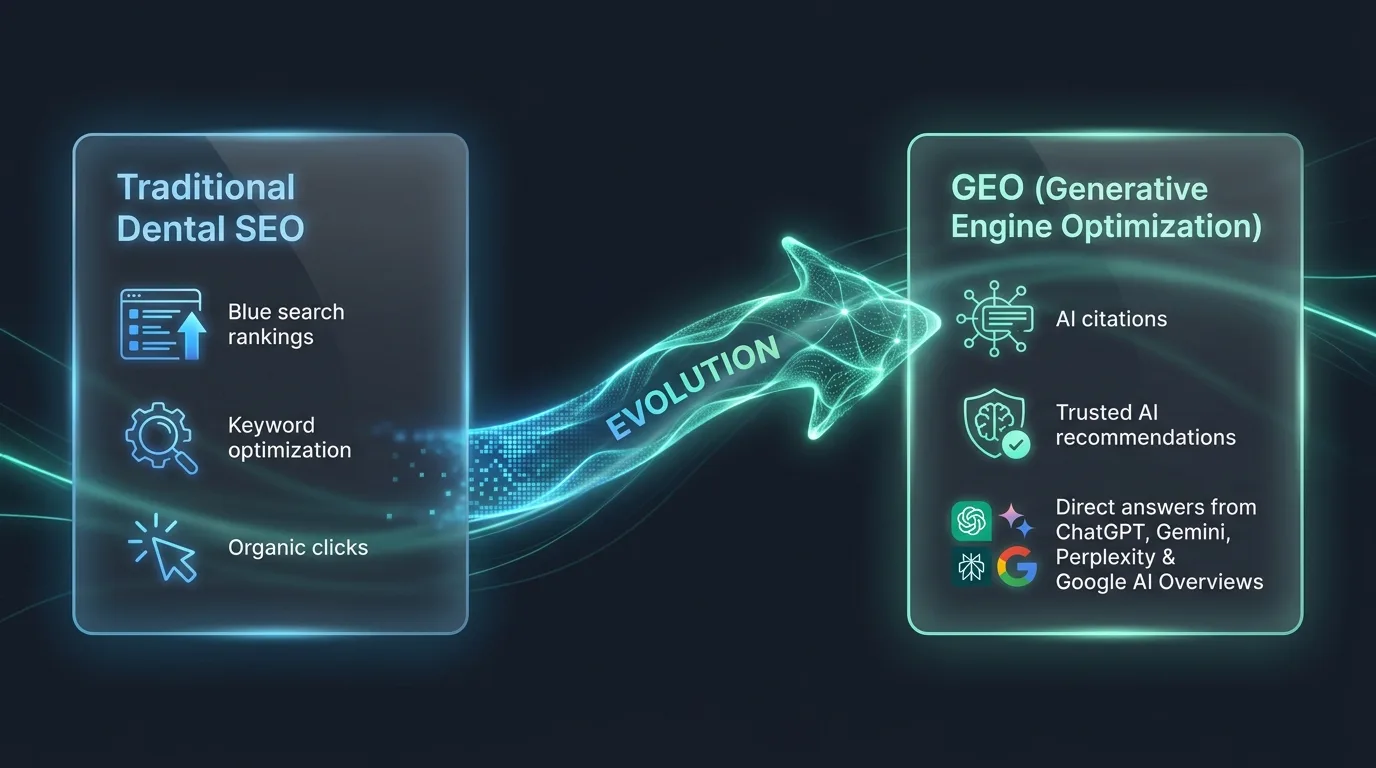 Figure 1: Traditional SEO targets keyword ranks, whereas GEO targets citation frequency in AI responses.
 The Three Pillars of GEO for Dental Practices
GEO for dental practices rests on three core pillars. Every dental practice that wants to be visible in AI search needs to build all three.
Pillar One: Content That AI Engines Can Read and Trust
AI tools like ChatGPT and Perplexity AI read dental website content and evaluate it for usefulness, accuracy, and clarity. Content that is vague, promotional, or difficult to parse gets ignored. Content that is clear, factual, and organized around specific patient questions gets cited.
For dental website SEO under GEO, every core service page needs to answer the questions patients most commonly ask about that service. A dental implant page should clearly answer questions like how long do dental implants last, who is a good candidate for dental implants, and what is the recovery time after implant surgery. A cosmetic dentistry page should answer questions about the cost of veneers, the difference between whitening options, and what to expect during a smile makeover. Review pricing structures in our implant cost SEO guide.
Content written this way serves two purposes at once. It helps human patients understand your services clearly. And it gives AI engines the structured factual information they need to cite your practice confidently.
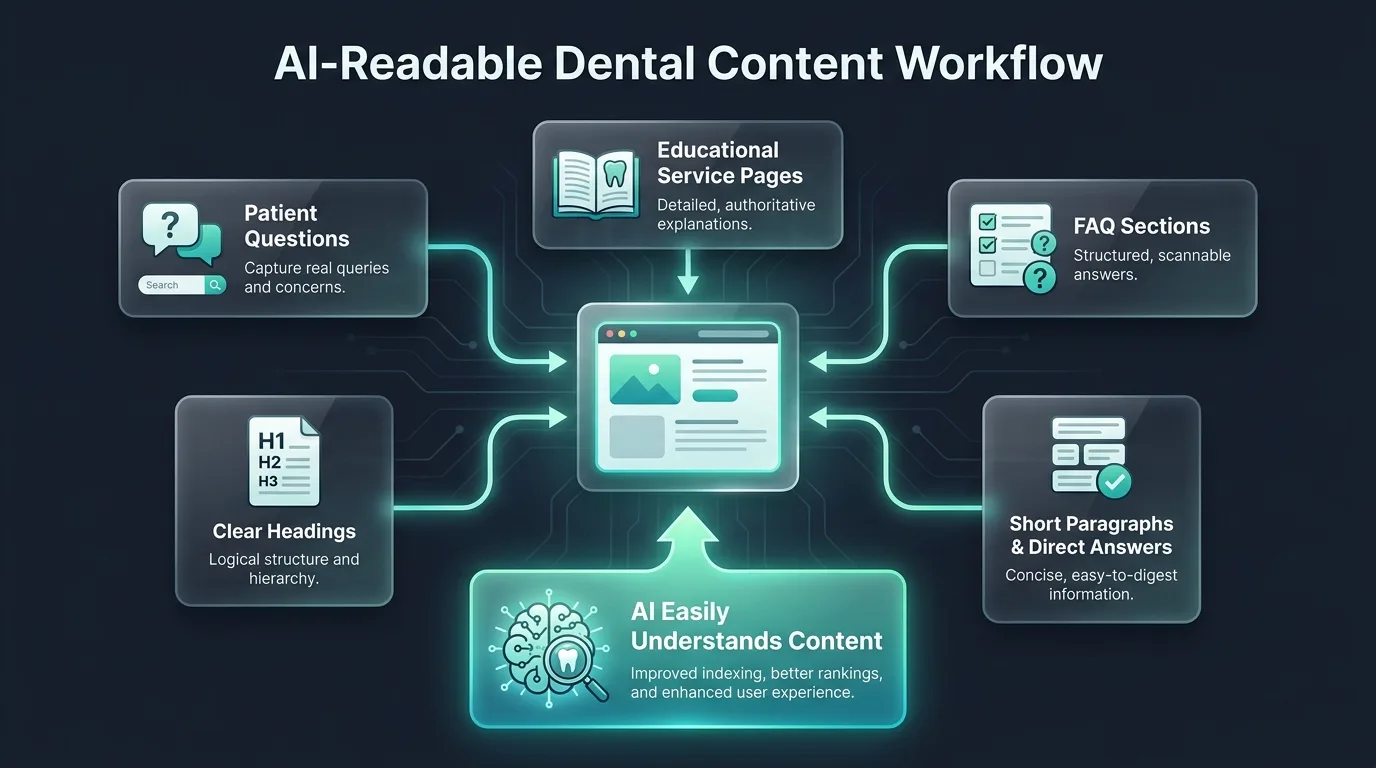 Figure 2: Writing structured answers and factual clinical summaries helps bots extract and trust your page content.
 Pillar Two: Authority Signals That AI Engines Recognize
AI engines evaluate the credibility of a dental website before deciding to cite it. They look for the same authority signals that Google's traditional algorithm looks for, including backlinks from trusted websites, consistent citations across directories, a strong Google Business Profile, and positive patient reviews. Review setup guides in our GBP setup guide.
But GEO also requires a broader network of credible mentions. When a dental practice is referenced in local news articles, health publications, dental industry blogs, and community organization websites, AI engines see that network of mentions as strong evidence of real-world authority. That evidence increases the likelihood of the practice being cited in AI-generated answers.
Building this kind of authority requires consistent effort over time. It includes earning press coverage, contributing guest posts to relevant websites, building community sponsorship links, and maintaining an active and complete presence in every major online directory related to dental care and local business. Review backlink profiles in our local link building guide.
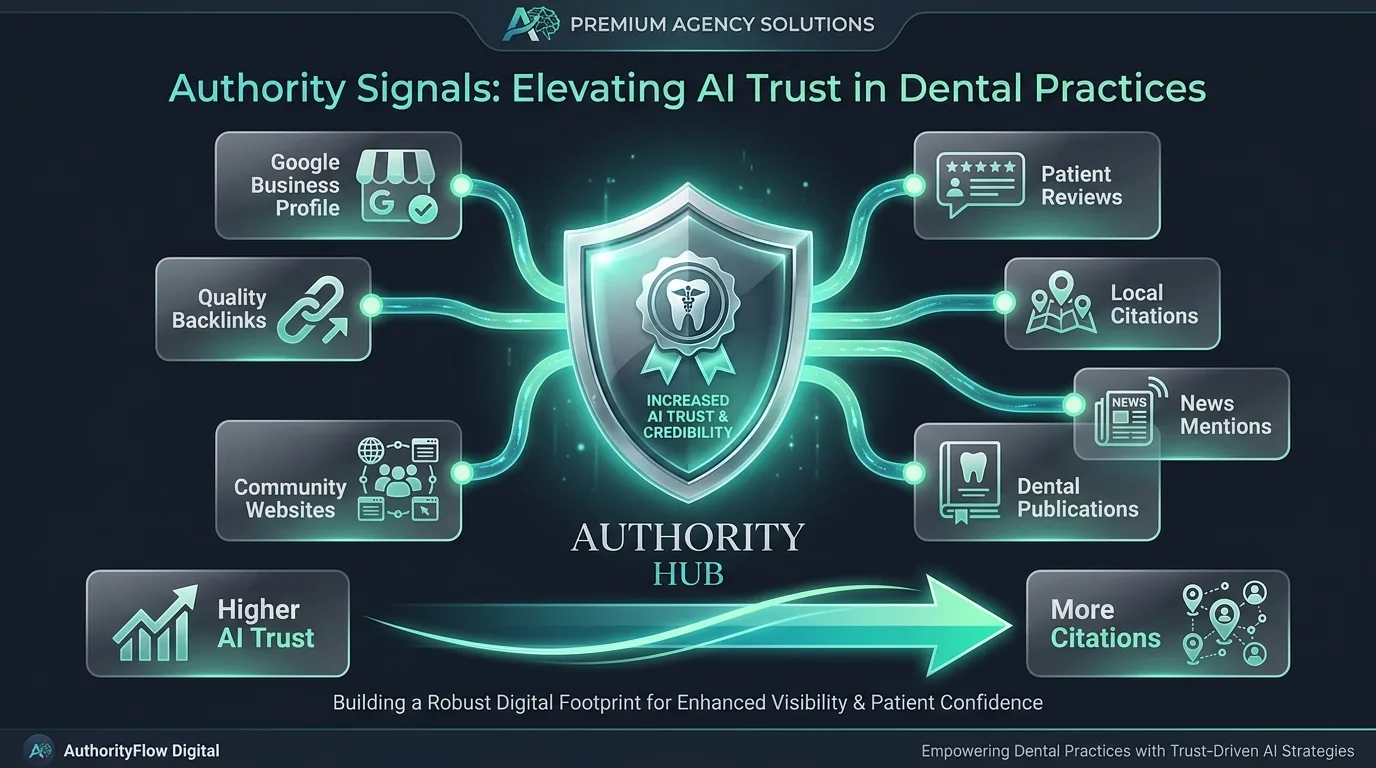 Figure 3: Trusted authority references verify business credibility for search recommenders.
 Pillar Three: Technical Structure That AI Engines Can Navigate
The technical structure of your dental website affects how easily AI engines can read and extract information from it. A well-structured dental website with clear heading tags, logical page organization, fast loading times, and mobile-friendly design is far easier for AI engines to process than a poorly structured one. Review performance guides in our mobile optimization guide.
For dental website optimization under GEO, make sure every page has one clear main heading that describes the page topic. Use supporting headings to break content into organized sections. Keep paragraphs short, ideally three to five sentences each. Use specific descriptive language rather than vague promotional phrases. Review internal link routing in our internal linking guide.
Schema markup is also useful for GEO. Adding structured data to your dental website helps AI engines understand what your pages are about, who your practice serves, and what services you offer. This makes it easier for AI tools to pull accurate information about your practice when generating answers for patients. Review structures in our schema guide.
 Figure 4: Structured data implementation guidelines help crawlers map clinical locations and services.
 How to Get Cited by ChatGPT, Perplexity AI, Google Gemini, and Microsoft Copilot
Each major AI search platform has its own characteristics but the same core GEO strategies apply across all of them.
- Getting Cited by ChatGPT: ChatGPT with browsing access pulls from indexed web pages. To get cited by ChatGPT, your dental website needs to be well indexed by search engines, have strong authority signals, and contain clearly structured content that answers common dental questions directly. Review trust parameters in our E-E-A-T trust guide.
- Getting Featured in Perplexity AI: Perplexity cites its sources directly in every answer it generates. This means getting featured in Perplexity gives your dental practice direct name recognition with patients who are actively researching dental care. Perplexity favors content that is specific, factual, and written in the natural language patients use when asking questions.
- Dominating Google AI Overviews and Google Gemini: Google's AI tools draw heavily from its existing search index. Strong traditional dental local SEO combined with GEO-optimized content gives dental practices the best chance of appearing in Google AI Overviews and Google Gemini answers. Review AI Overviews in our Google AI Overviews guide.
- Appearing in Microsoft Copilot: Microsoft Copilot pulls from Bing's search index. Submitting your dental website to Bing Webmaster Tools and ensuring your site is properly indexed in Bing is a quick and easy step that most dental practices have not taken. This gap represents a real opportunity to gain Copilot visibility before competitors catch on.
- Ranking in SearchGPT: SearchGPT prioritizes fresh, credible, and well-structured web content. Dental practices that publish new educational content regularly and maintain strong backlink profiles are best positioned to appear in SearchGPT results.
Answer Engine Optimization and How It Works with GEO
GEO and Answer Engine Optimization or AEO are closely related strategies that work best when used together. While GEO focuses on building the overall authority and discoverability of your dental practice in AI search, AEO focuses specifically on structuring your content to directly answer the questions patients ask AI engines.
AEO for dental practices means writing content that leads with answers rather than background information. It means using patient question language as your headings. It means including specific facts, numbers, and practical steps in every answer rather than vague general statements.
When a patient asks an AI tool what causes gum disease, an AEO-optimized dental website answers that question in the first sentence of the relevant page. When a patient asks how much dental implants cost, the AEO-optimized page gives a clear cost range immediately rather than building up to it over several paragraphs. Review FAQ setups in our FAQ schema guide.
Together, GEO builds the authority that gets your dental website into AI consideration and AEO structures your content so that AI engines can confidently extract and present your answers. One without the other is incomplete. Both together create the most powerful dental SEO strategy available in the current search environment.
 Figure 5: Combining backend trust metrics (GEO) with front-end QA structure (AEO) drives maximum patient inquiries.
 Why Traditional Dental SEO Is No Longer Enough
The dental search landscape has changed and it will not go back. Patients are using ChatGPT, Google Gemini, Perplexity, and other AI tools every day to find dental providers, research treatments, and compare their options. These patients are often high-value patients seeking specific treatments like dental implants, full arch restorations, or cosmetic dentistry.
Traditional dental SEO strategies were built for a search environment that no longer exists in its original form. Keyword rankings still matter but they are not enough to capture the patients who are finding dental practices through AI-generated answers. Review audit parameters in our local SEO audit guide.
Dental practices that continue relying only on traditional search engine optimization for dentists will see their share of patient inquiries shrink as AI search continues to grow. The practices that add GEO and AEO to their dental SEO strategy now will capture the patients their competitors are missing.
This is not a future concern. It is a current reality. Every month that passes without a GEO strategy in place is a month of patient inquiries going to practices that are already optimized for AI search.
A Practical GEO Action Plan for Dental Practices
Starting with GEO does not require rebuilding your entire dental website from scratch. Here is a practical starting point.
- Optimize Service Page Openers: Review your top five service pages and rewrite the opening paragraph of each one to directly answer the primary patient question related to that service. Add FAQ sections with five to ten real patient questions and specific direct answers. Use clear descriptive headings throughout each page.
- Educational Blog Content: Publish two to four educational blog posts per month that each target one specific patient question. Make each post concise, factual, and organized with clear headings.
- Build Authority Backlinks: Audit your backlink profile and identify opportunities to earn new links from local news sites, community organizations, dental industry blogs, and health publications. Each trusted link you earn strengthens your GEO foundation. Review community tactics in our community backlinks guide.
- Complete Directories Setup: Complete and update your Google Business Profile. Submit your website to Bing Webmaster Tools. Ensure your practice name, address, and phone number are consistent across every directory. Review consistency rules in our NAP consistency guide.
- Track Performance Metrics: Work with your dental SEO agency or dental SEO marketing service to track your performance in AI search over time. As AI engines evolve, your GEO strategy will need to evolve with them. Review tracking in our dental local SEO checklist.
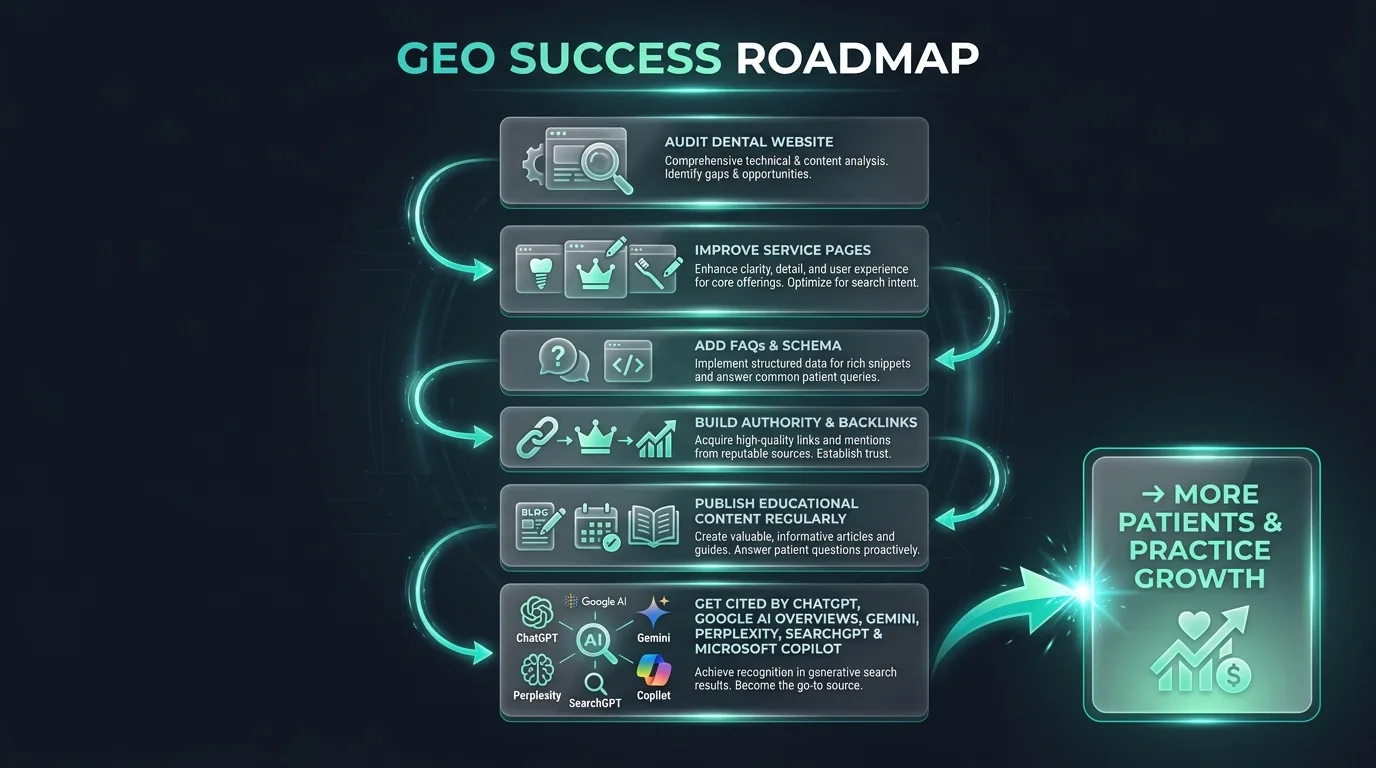 Figure 6: Step-by-step roadmap to integrate GEO optimizations onto active dental websites.
Ready to Dominate Local & AI Search?
Navigating the complexity of Local Map Packs, traditional search rankings, and emerging AI engine visibility can be difficult. Schedule a practice growth audit with our dental SEO specialists today. We will analyze your practice listings, audit your competitor strategies, and layout the exact plan needed to capture high-value cases.
Schedule Growth AssessmentFrequently Asked Questions
GEO is the practice of optimizing your dental website and brand authority so that generative AI engines (like ChatGPT, Gemini, and Perplexity) select and recommend your practice when patients search.
Traditional SEO focuses on keyword rankings inside Google's ten blue links. GEO focuses on getting cited, referenced, and suggested inside conversational AI responses.
The three pillars are: (1) Clear, factual, QA-structured content; (2) Authority signals like news backlinks and reviews; (3) Clean technical structure including Schema markup.
By ensuring your website is cleanly indexed, building trusted external backlinks, and creating content that directly answers high-intent clinical questions.
AEO (Answer Engine Optimization) is formatting content directly as answers to user queries, while GEO is the broader search optimization strategy for conversational search bots.