Key Takeaways
This guide explains dental keyword research from start to finish. You will learn what dental keyword research is, why dental SEO matters for your practice, and how to find the right keywords to bring in new patients. We also cover local SEO for dentists, dental implant marketing, and how AI search engines like ChatGPT, Perplexity, and Google Gemini are changing the way people find dentists online. If you want to grow your dental practice and stay ahead of the competition, this guide gives you everything you need to know.
- Find Intent First: Keyword strategy starts with understanding patient search intent, not just search volume.
- Geo-Modifiers are Key: Combine geographic markers (city, neighborhood) with treatments to capture high-value local intent.
- Optimize for AI Engines: Use AEO and GEO formatting rules to ensure Perplexity, ChatGPT, and Copilot cite your dental practice.
- PPC Synergy: Run organic SEO in tandem with Google Ads to build immediate conversion pipelines while long-term authority grows.
- Dental Keyword Research: The Complete Guide to Dental SEO
- What Is Dental SEO and Why Does It Matter
- How Dental Keyword Research Works
- The Most Important Dental SEO Keywords for Your Practice
- Local SEO for Dentists: How to Win in Your City
- Dental Website SEO: What Your Website Needs
- Dental Implant Marketing and High Value Patient Acquisition
- Dental PPC and Google Ads: Paid Search for Dentists
- AI Search Engines Are Changing Dental SEO Forever
- Why Traditional SEO Is No Longer Enough for Dentists
- How to Structure Your Dental Website Content for AI Visibility
- Measuring Dental SEO Success
- Choosing the Right Dental SEO Company
- Final Thoughts
- Frequently Asked Questions
Dental Keyword Research: The Complete Guide to Dental SEO
If someone in your city needs a dentist right now, they open Google and type something like "dentist near me" or "dental implants in Dallas." If your practice does not show up in those results, you are losing patients to a competitor down the street. That is what dental SEO is all about. It helps your dental website appear when patients are already searching for the services you offer.
This guide will walk you through how dental keyword research works, what keywords matter most, how local SEO for dentists brings in real patients, and why AI search engines are now a major part of getting found online.
What Is Dental SEO and Why Does It Matter
Dental SEO stands for search engine optimization for dentists. It is the process of making your dental website show up higher in Google search results so more people can find your practice.
Think of it this way. Your dental office may be excellent, but if patients cannot find you online, your chairs stay empty. Dental SEO connects your practice with people who are already searching for the exact treatments you provide.
SEO for dentists covers many things. It includes the words on your website, how fast your site loads, how many other websites link to yours, and how your business appears on Google Maps. All of these work together to help Google decide how high to rank your site.
Studies show that most people never scroll past the first page of Google results. If your dental website is on page two or three, almost no one will see it. That is why dental search engine optimization is one of the most important investments a practice can make.
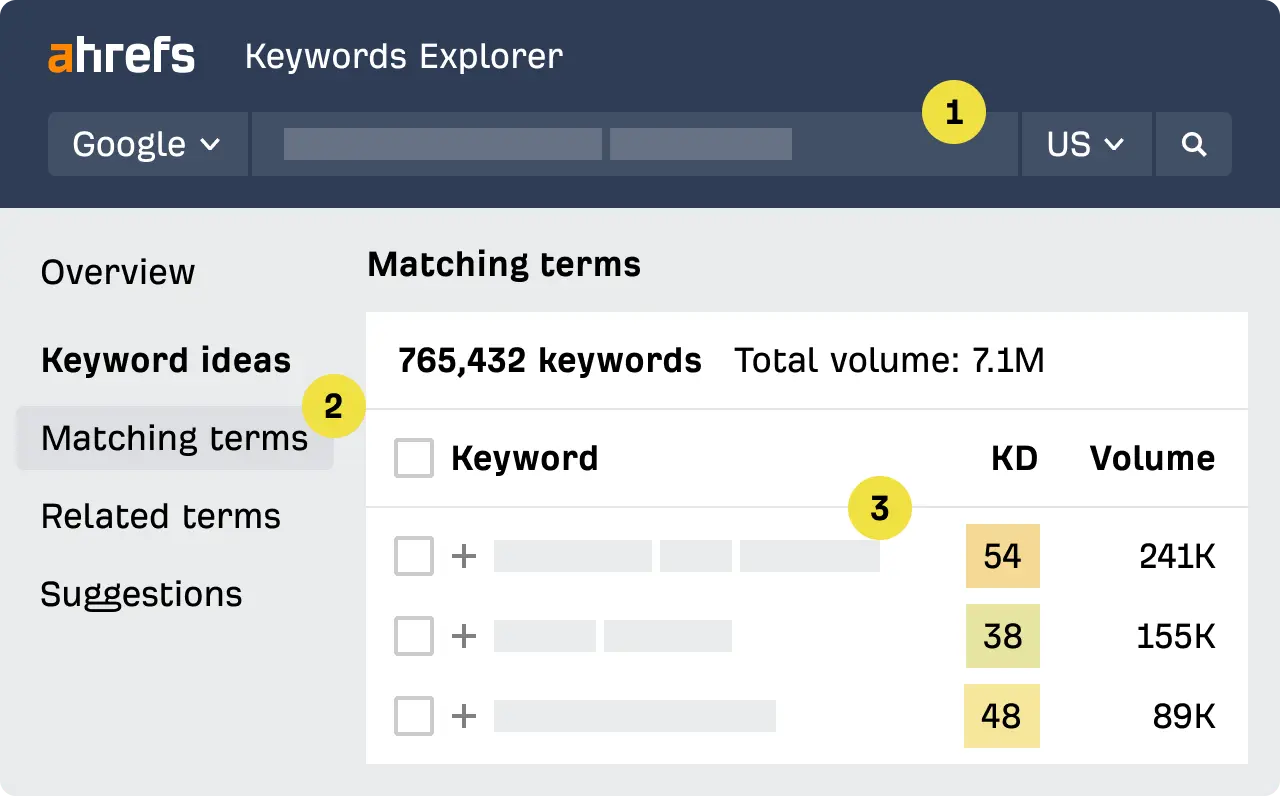 Figure 1: Finding target keyword matrices ensures matching to real parent search intents.
 How Dental Keyword Research Works
Keyword research is the first step in any good dental SEO strategy. It means finding the exact words and phrases that your future patients type into Google when they need dental care.
For example, someone looking for dental implants might search "dental implants near me" or "how much do dental implants cost." Someone looking for a new dentist might type "best dentist in my city" or "family dentist accepting new patients."
Good dental SEO keyword research gives you a list of these search terms. Then you use those keywords on your website, in your blog posts, and in your Google Business Profile so that Google knows your site is the right answer.
There are three types of keywords every dental website needs:
- Broad Keywords: These are short phrases like "dental SEO," "SEO for dentists," or "dental website SEO." These have a lot of monthly searches but also a lot of competition.
- Local Keywords: These are phrases that include a location, like "dentist SEO in Chicago" or "local SEO for dentists in Phoenix." These are very important for single location practices because patients want a dentist close to home. Target geo modifier keywords to capture these searches.
- Service Keywords: These are phrases tied to a specific treatment, like "dental implant marketing," "cosmetic dentistry marketing," or "dental implant SEO keywords." These bring in patients who already know what they want. Review our guide on dental service page SEO to structure these pages.
The Most Important Dental SEO Keywords for Your Practice
Here are the keyword categories every dental practice should target:
- General Dental SEO Terms: These include dental SEO, SEO for dentists, dental SEO marketing, dental SEO services, dentist SEO, dental SEO agency, and dental search engine optimization. These are the foundation of your dental marketing strategy.
- Local SEO Terms: These include local SEO for dentists, local SEO for dental, local dental SEO, dental local SEO marketing, and local SEO for orthodontists. These terms help your practice appear in searches made by people in your area.
- Implant and Specialty Terms: These include dental implant marketing, implant funnels, high value patient acquisition, full arch cases, and dental implant SEO keywords. These terms attract patients ready to spend more on premium treatments. Link these to related pages like our dental implant cost page SEO guide.
- Agency and Expert Terms: These include dental SEO company, dental SEO expert, dental SEO consultant, dental SEO specialist, best dental SEO company, and seo agency for dentists. If you are a dental marketing agency, these are the terms your future clients are searching.
- Practice Type Terms: These include startup dental practice, established dental practice, solo practitioner, multi location dental group, and dental service organization. These help target the right audience based on where a practice is in its growth.
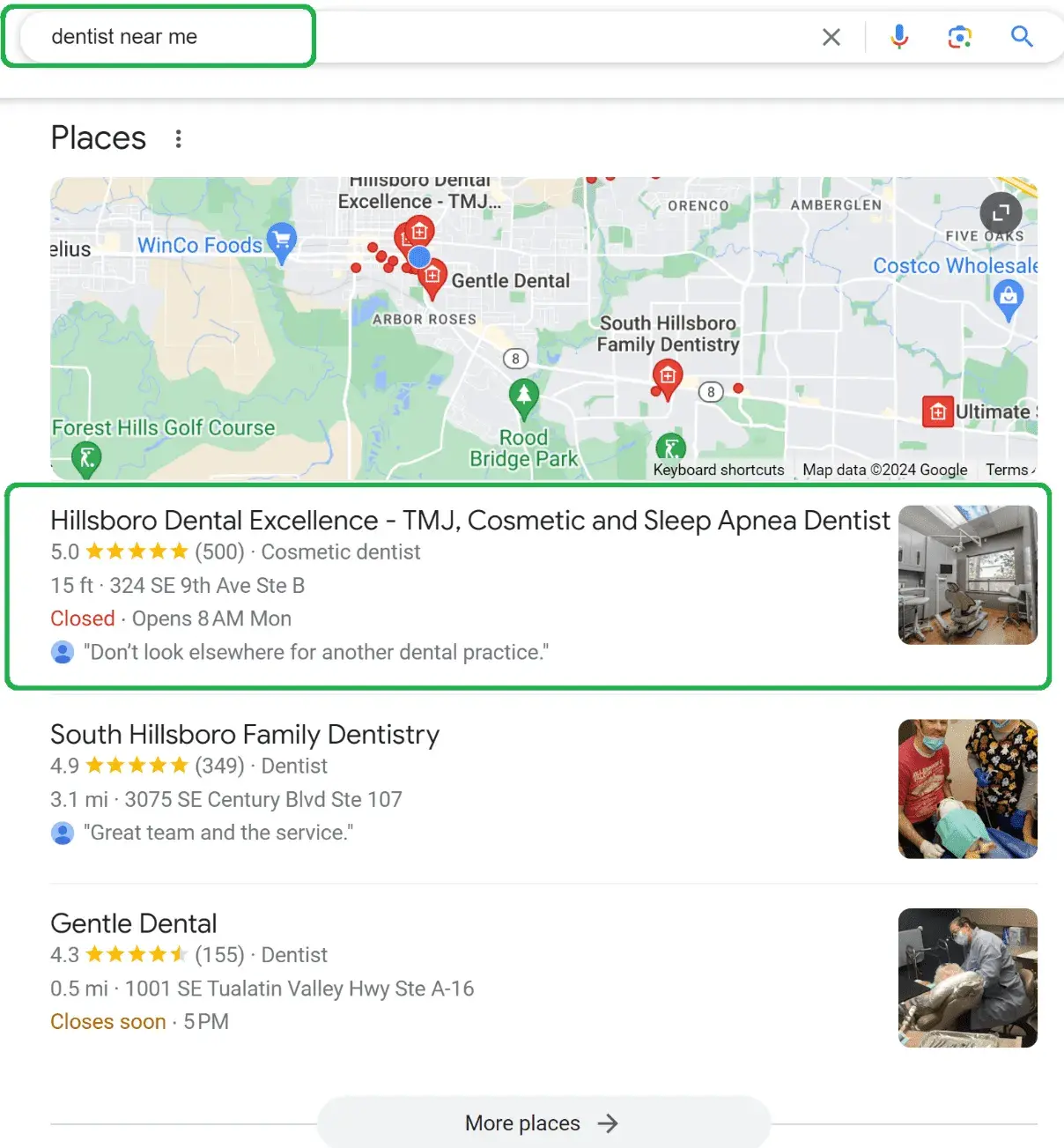 Figure 2: Consistent maps setup raises ranking points in regional search arrays.
 Local SEO for Dentists: How to Win in Your City
Local SEO is one of the most powerful tools in dental marketing. It is what makes your practice show up when someone searches "dentist near me" or "dental office open today."
Google uses three main things to decide which dental practices to show in local search results. The first is relevance, meaning how well your practice matches what the person searched. The second is distance, meaning how close your office is to the searcher. The third is prominence, meaning how well known and trusted your practice is online.
To improve your local SEO for dentists, you need to do several things:
- Optimize Google Business Profile: Claim and fully fill out your Google Business Profile. Add your address, phone number, hours, photos, and the services you offer. Review our GBP setup guide and select the best GBP categories for dentists to optimize parameters.
- Earning Reviews: Collect patient reviews. Google pays close attention to how many reviews you have and what your star rating is. star ratings are key. Make replies standard using our guide on how to respond to reviews. A strong collection of reviews is a powerful conversion tool. Check out our review generation systems.
- Directories and Citations: Get your practice listed in dental and healthcare directories. These listings act as signals to Google that your business is real, active, and trustworthy. Check our guide on NAP consistency and the best dental directories. Fix errors using a dental local citations auditing process.
- Location Landing Pages: Create location-specific pages on your website. If you serve multiple cities or neighborhoods, a dedicated page for each location helps you rank for dental local SEO searches in each area.
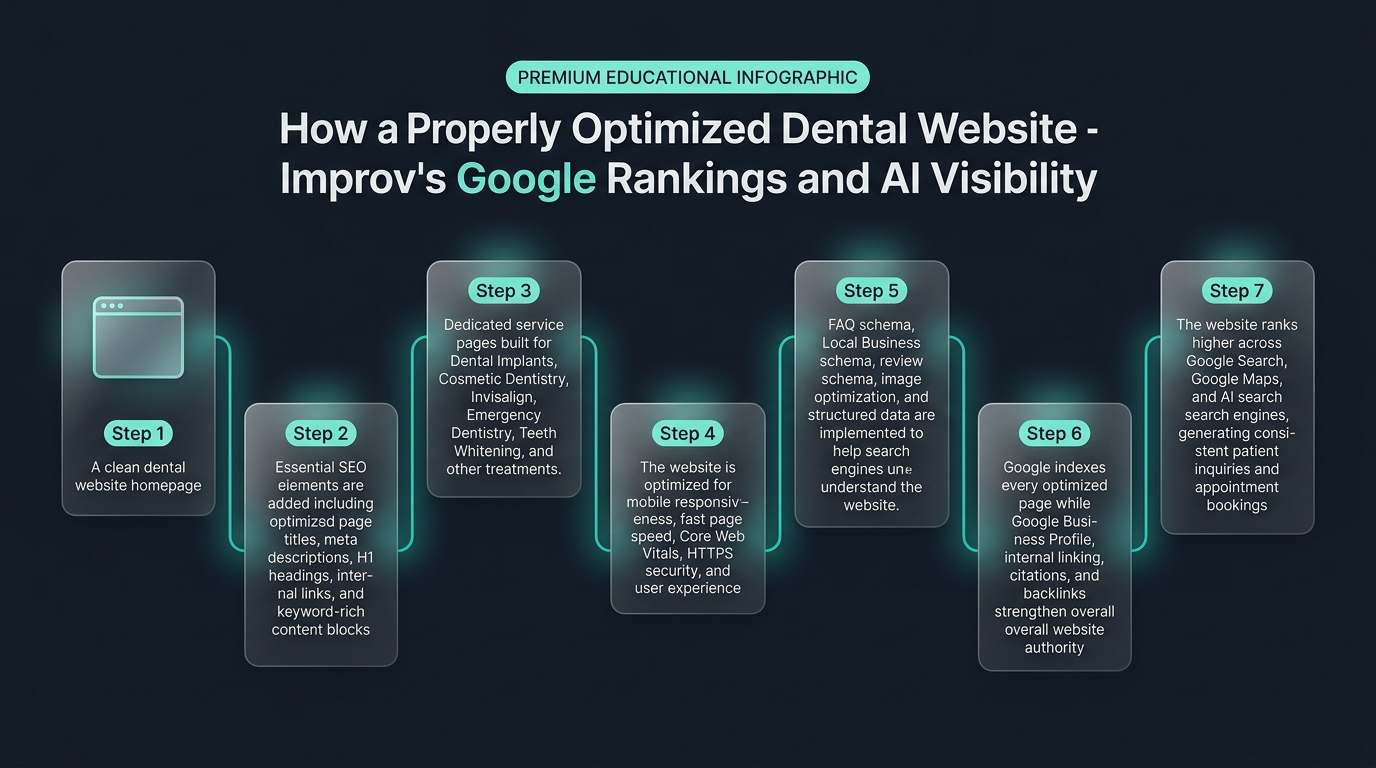 Figure 3: A responsive structure converts organic traffic into patient consultations.
 Dental Website SEO: What Your Website Needs
Your dental website is your most important marketing asset. But having a great looking website is not enough. It also needs to be built for dental website SEO.
Here is what search engine optimization for dentists looks like on your actual website:
- Page Titles and Meta Descriptions: These should include your target keywords. For example, a page about dental implants should have a title like "Dental Implants in Houston, TX" and a description that explains what patients can expect.
- Service Specific Pages: Every service you offer should have its own page. A page for dental implants, a page for cosmetic dentistry, a page for teeth whitening, and so on. Check out our frameworks for cosmetic dentistry SEO, teeth whitening SEO, and veneers SEO.
- Headings and Natural Keywords: Headings on each page should include relevant dental SEO keywords naturally. The text itself should be written at a level patients can easily understand.
- Technical SEO Foundation: Your site needs to load quickly, work on phones, and use secure HTTPS. Learn to optimize your pages using our guide to dental website speed optimization.
- Local Semantic References: Local keywords should appear in your content naturally. Phrases like "our dental office in Atlanta" or "patients in the Denver area" help Google connect your site to local searches.
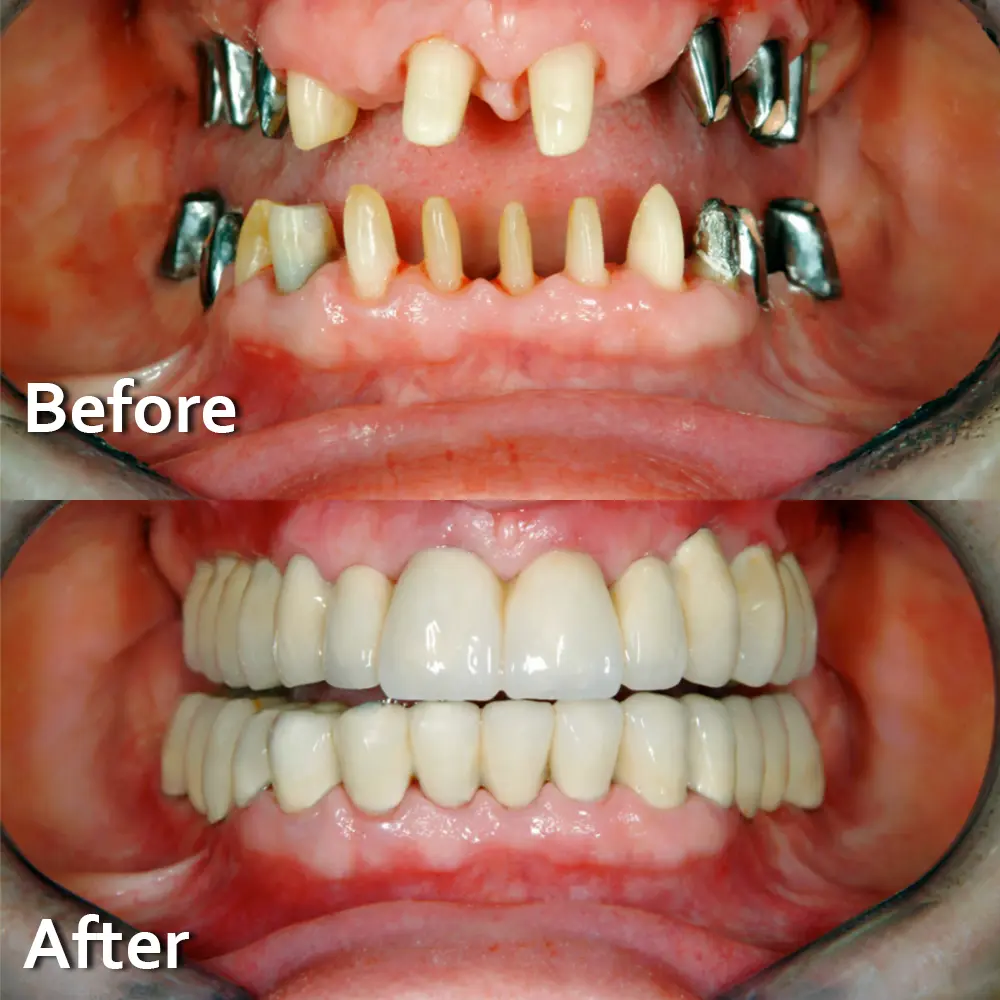 Figure 4: Targeted implant landing pages focus on full arch case capture.
 Dental Implant Marketing and High Value Patient Acquisition
Dental implant marketing is a specialty within dental SEO. Implant cases are some of the highest value services a dental practice can offer. That makes them worth targeting with their own SEO strategy.
Patients searching for dental implants are usually far along in their decision making process. They have already done research. They know what they want. Now they just need to find a trusted provider near them.
To attract these patients, your dental implant marketing strategy should include dedicated landing pages for implants, content that answers common questions about the cost and process, before and after photos, and patient testimonials. These pages should be optimized for keywords like "dental implants near me," "all on 4 dental implants," "full arch implants," and "how much do dental implants cost."
Implant funnels are also a powerful tool. A dental implant funnel guides a potential patient from their first click on an ad or search result all the way through to booking a consultation. Combining dental SEO with Google Ads and Facebook Ads makes this funnel much more effective.
High value patient acquisition through dental SEO is one of the best returns on investment a practice can achieve. When your website ranks for implant keywords, the traffic it brings is free and ongoing. Check our guide on dental implant SEO.
Dental PPC and Google Ads: Paid Search for Dentists
Dental SEO takes time to build results. That is where Google Ads and dental PPC come in. Pay per click advertising puts your practice at the very top of Google results immediately.
Google Ads for dentists work well when combined with strong SEO for dental offices. Paid ads can drive new patient leads while your organic SEO grows in the background.
Good dental PPC campaigns use the same keyword research as your SEO strategy. You bid on terms like "dentist near me," "emergency dentist," "dental implants," and "teeth whitening near me." When someone clicks your ad and books an appointment, you can track that conversion back to the specific keyword that drove it.
Facebook Ads for dental practices are also highly effective for cosmetic and elective procedures. Meta Ads allow you to reach people by age, location, and interests, which is perfect for targeting patients who may be interested in implants, veneers, or Invisalign.
Return on investment tracking is critical. The best dental marketing companies use closed loop attribution, meaning they can trace each new patient all the way from the first ad click to the final collected revenue. Compare your options in our guide on local SEO vs Google Ads for dentists.
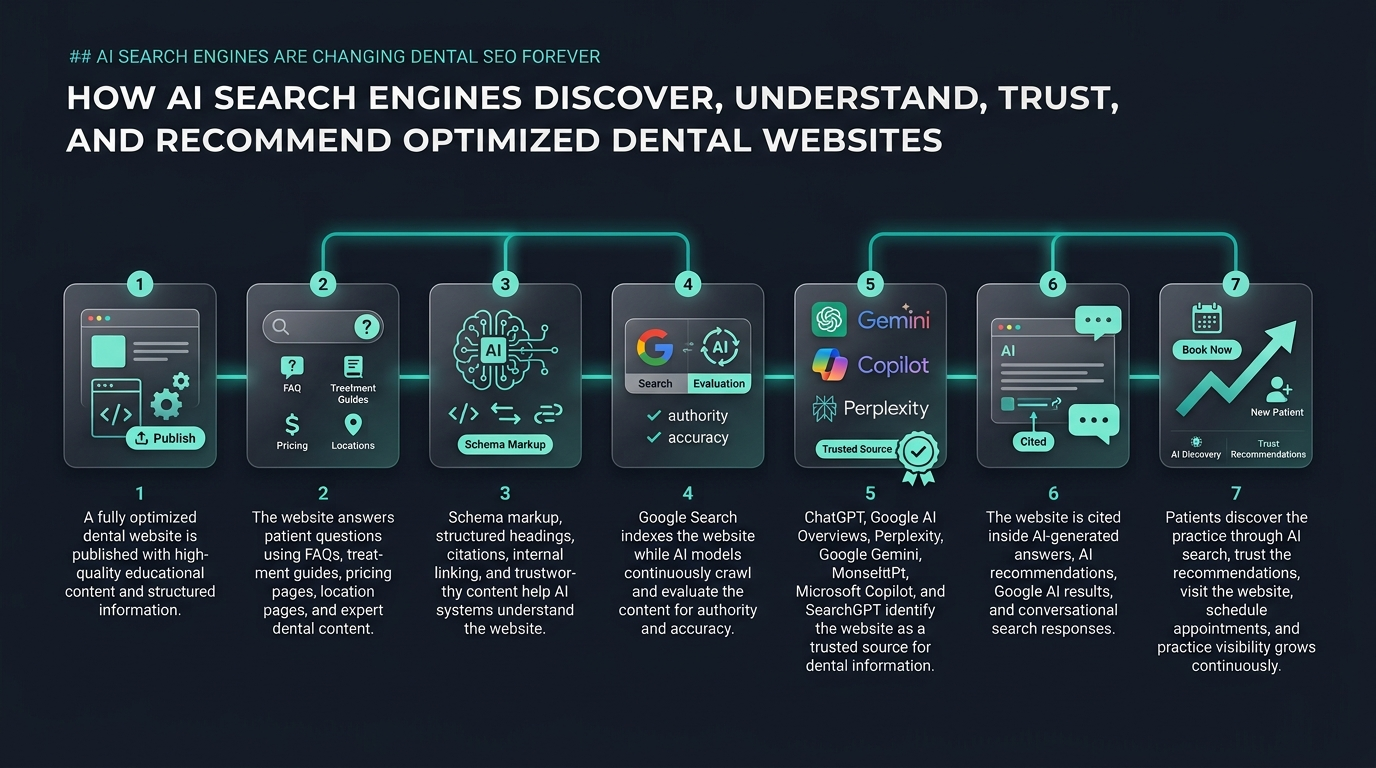 Figure 5: Capturing brand mentions in conversational AI interfaces triggers referral signals.
 AI Search Engines Are Changing Dental SEO Forever
Here is something that most dentists and even many dental marketing agencies are not talking about yet. Search is no longer just Google.
Millions of people now use AI tools like ChatGPT, Perplexity AI, Google Gemini, and Microsoft Copilot to find information and recommendations. Many of them ask these tools questions like "What is the best dental implant dentist near me?" or "How do I find a good dentist who accepts new patients?"
When an AI tool answers these questions, it pulls from trusted sources on the web. If your dental website is not structured the right way, AI tools will never mention your practice. But if you optimize for AI search, your practice can be cited as a verified source in ChatGPT answers, Perplexity results, Google AI Overviews, and more.
This new approach is called Generative Engine Optimization, or GEO. It works alongside traditional dental SEO. Another related strategy is called Answer Engine Optimization, or AEO. AEO means structuring your website content so that AI tools can pull clear, direct answers from it and share them with users.
The difference between GEO and old school dental SEO is significant. Traditional SEO gets you ranked on a search results page. GEO gets your practice actively recommended and cited by AI tools that millions of people trust. We optimize for AI engine queries with a strong zero-click strategy.
Why Traditional SEO Is No Longer Enough for Dentists
This is the most important point in this entire guide. Traditional SEO is still necessary, but it is no longer sufficient on its own.
People are changing how they search. Instead of typing a keyword into Google and clicking through ten websites, they are asking AI tools for a direct answer. Those AI tools are then doing the research on their behalf and presenting one or two trusted sources.
If your dental website is not being cited in AI answers, you are already invisible to a growing number of potential patients.
The dental practices and dental marketing agencies that win over the next five years will be the ones that combine three things:
- Traditional Dental SEO: Proper keyword targeting, local optimization, and fast website performance.
- Generative Engine Optimization (GEO): Structuring your website so AI tools like ChatGPT, Claude, and Perplexity recognize and cite your practice as a credible source. Learn more in our Generative Engine Optimization guide.
- Answer Engine Optimization (AEO): Formatting content to directly answer the questions that patients ask AI tools.
This three-part approach is what separates forward thinking dental SEO strategy from outdated methods.
How to Structure Your Dental Website Content for AI Visibility
To get cited by AI engines, your dental website needs content that is clear, factual, and directly answers common patient questions:
- FAQ Sections on Key Pages: Start by creating an FAQ section on every major service page. Answer questions like "How much do dental implants cost?", "How long does teeth whitening last?", and "What is included in a dental cleaning?" Write the answers in plain, direct language. AI tools love this format because it is easy to extract and share. Learn to use FAQ schema to optimize this.
- Use Schema Markup Code: Schema is a type of code that helps search engines and AI tools understand what your content is about. Dental practices should use local business schema, medical practice schema, FAQ schema, and review schema. Review our schema markup guide and the schema implementation guide.
- Create Q&A Content Hubs: Write blog posts that answer specific patient questions. Posts like "What Is the Dental Implant Process Step by Step?" or "How Do I Choose a Dentist for My Family?" give AI tools valuable content they can reference and cite.
- Consistent Local Identifiers: Make sure your name, address, and phone number are consistent everywhere online. AI tools and Google both look at this information when deciding which dental practices to trust and recommend.
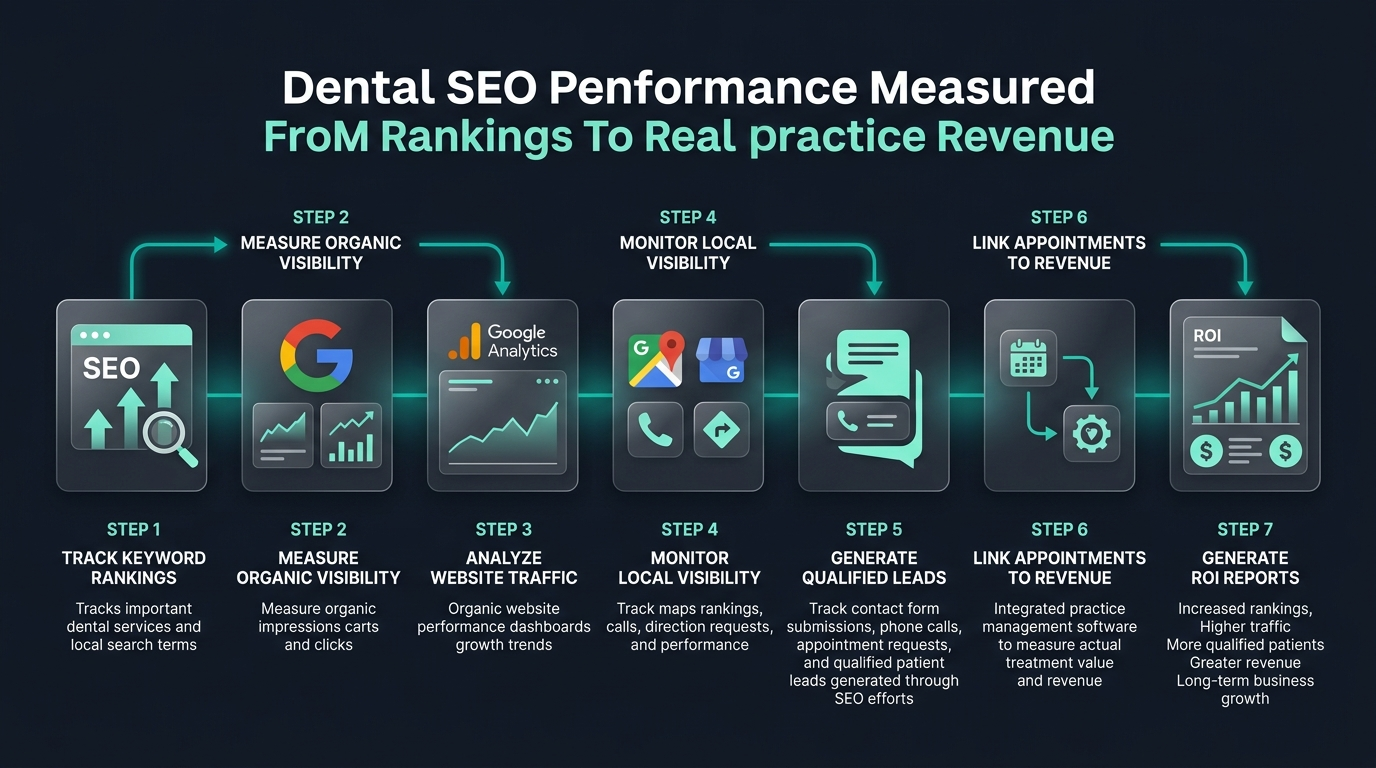 Figure 6: Combining semantic keyword hubs with maps and conversational rankings captures the parent pool.
 Measuring Dental SEO Success
You cannot improve what you do not measure. The best dental SEO strategies include regular reporting on key performance indicators:
- Keyword Rankings Tracking: Track your Google search rankings for target dental keywords.
- Organic Traffic Metrics: Track how much organic traffic your website receives each month.
- Lead Volume and Calls: Track how many phone calls and appointment requests come from your website.
- Google Maps Positions: Track your Google Maps ranking for local dental SEO searches.
- Review Velocity and Ratings: Track your online reviews, since they affect both traditional SEO and AI search visibility.
Modern dental marketing dashboards can pull all of this data into one place. Some even integrate directly with practice management software like Dentrix, Eaglesoft, and Open Dental, so you can see which marketing activities are directly tied to real collected revenue. Sync your metrics using a complete dental local SEO checklist.
Choosing the Right Dental SEO Company
Not all dental SEO agencies are the same. When choosing a dental SEO company, look for these things:
- Measurable Track Record: They should have real case studies showing new patient growth for other dental practices.
- Future Proof Strategies: They should understand both traditional dental SEO and newer strategies like GEO and AEO.
- Clear Reporting Dashboards: They should offer transparent reporting so you can see exactly what your marketing budget is doing.
- All-Round Marketing Skill: They should have experience with dental implant marketing, local SEO for dentists, and dental website design.
The best dental SEO companies also understand the full picture of practice growth, including patient conversion, treatment acceptance, practice revenue, and long term patient retention. Ranking on Google is only valuable if your website actually converts visitors into booked appointments.
Ask any dental SEO agency about their experience with AI search optimization. If they have never heard of Generative Engine Optimization or Answer Engine Optimization, they are behind the curve and may not be the right partner for growing your practice today and beyond.
Final Thoughts
Dental keyword research is the foundation of every successful dental SEO strategy. Without knowing what your patients are searching for, you cannot build a website that attracts them.
Start with local SEO for dentists to make sure patients in your area can find you on Google Maps and in local search results. Add service specific dental SEO keywords to attract high value patients searching for implants, cosmetic dentistry, and other premium treatments. Invest in Google Ads and Facebook Ads to generate fast results while your organic SEO grows. And make AI visibility a priority by structuring your dental website content for Generative Engine Optimization and Answer Engine Optimization.
Traditional dental SEO is the baseline. GEO and AEO are the future. The dental practices that embrace both will win more patients, grow their revenue, and build lasting dominance in their local markets.
If your practice is not showing up on Google, Google Maps, and AI search tools, now is the time to fix that. The patients are already out there searching. The only question is whether they find you or your competitor.

Ready to Dominate Local & AI Search?
Navigating the complexity of Local Map Packs, traditional search rankings, and emerging AI engine visibility can be difficult. Schedule a practice growth audit with our dental SEO specialists today. We will analyze your practice listings, audit your competitor strategies, and layout the exact plan needed to capture high-value cases.
Schedule Growth Assessment