Key Takeaways
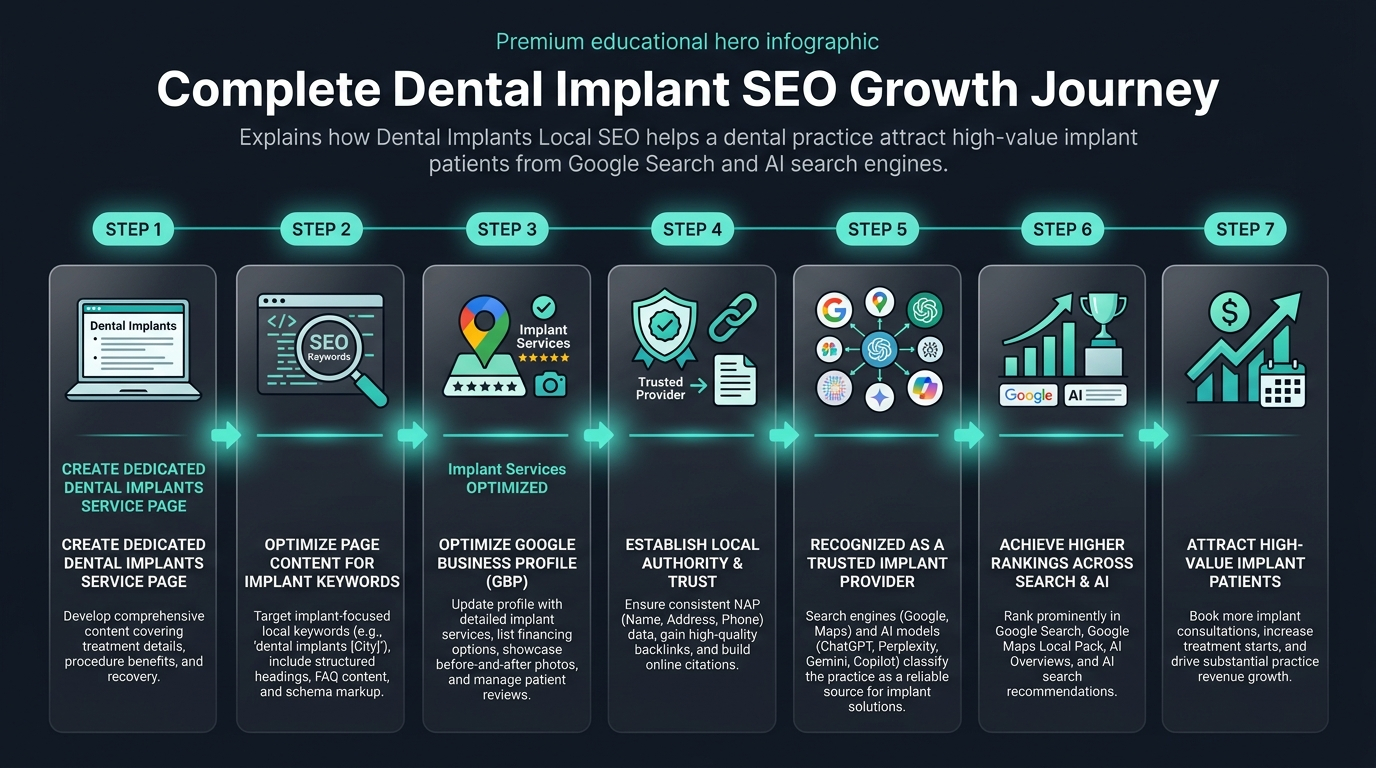
Dental implants are one of the highest-value services any dental practice can offer. A single full arch case can generate tens of thousands of dollars in collected revenue. But patients looking for implants do not just walk in off the street. They search online first. They compare practices. They read reviews. They ask AI tools for recommendations. If your practice is not showing up at the top of those searches, you are losing implant cases to competitors who invested in dental SEO marketing before you did. This blog explains exactly how dental implants local SEO works, what strategies drive implant patient acquisition, and why GEO and AEO are now just as important as traditional dental search engine optimization for reaching the patients who need implants most.
- High ROI Pipeline: Implant patients search with high intent, making localized rankings a valuable organic channel.
- GBP Optimization: Align secondary categories, optimize service sections, and encourage keyword-specific patient reviews.
- Dedicated Landing Pages: Build custom procedure landing pages addressing technology, pricing, and social proof.
- Generative AI Citations: Write direct answers and implement structured schema to rank on ChatGPT and Perplexity.
- Why Dental Implants Local SEO Is One of the Highest ROI Investments a Practice Can Make
- Understanding How Patients Search for Dental Implants
- Google Business Profile Optimization for Dental Implant Practices
- Building a Dedicated Dental Implants Landing Page
- Dental SEO Keywords for Implant Patient Acquisition
- Local SEO for Dentists: Building Geographic Authority for Implant Searches
- Content Marketing as a Dental SEO Strategy for Implants
- Why Traditional SEO Is No Longer Enough for Dental Implant Marketing
- Getting Your Dental Practice Cited by ChatGPT, Perplexity, and Google Gemini
- Ranking in Each AI Engine: A Platform by Platform Guide for Implant Practices
- Choosing the Right Dental SEO Company for Implant Marketing
- Tracking Performance: Dental SEO Marketing Analytics for Implant Practices
- Conclusion: Dental Implants Local SEO Is the Growth Engine Your Practice Needs
- Frequently Asked Questions
Why Dental Implants Local SEO Is One of the Highest ROI Investments a Practice Can Make
Most dental services bring in a few hundred dollars per visit. Implant cases are different. A single implant patient can generate anywhere from two thousand to fifty thousand dollars depending on the treatment plan. Full arch cases, also called All-on-4 or implant-supported dentures, are among the most profitable procedures in all of dentistry.
That makes dental implant marketing one of the smartest places a practice can invest in. And within that investment, local SEO for dentists focused on implants delivers some of the best returns available in dental marketing.
Here is why. A patient searching for dental implants in your city is already sold on the idea of getting implants. They are not in the awareness stage. They are in the decision stage. They are comparing practices and getting ready to call. If your practice shows up at the top of that search, you are not convincing them to want implants. You are simply showing them that you are the right place to get them.
That is what dental implants local SEO does. It puts your practice in front of the right patients at exactly the right moment in their patient journey.
Understanding How Patients Search for Dental Implants
Before building a dental SEO strategy for implants, you need to understand how patients actually search. Most implant patients go through a multi-step search process before they call a practice.
They start with general searches. They type things like "dental implants," "how much do dental implants cost," or "are dental implants worth it." At this stage they are learning. They want information. Review our guide on how much do dental implants cost for structured page details.
Then they move into local searches. They type things like "dental implants near me," "dental implant dentist in [city]," or "best dental implant specialist near me." At this stage they are comparing options. They want to find the right practice. Ensure you target near me keywords correctly.
Finally they make a decision search. They might search for your practice name directly, look for your reviews, or ask an AI tool like ChatGPT or Perplexity to recommend an implant dentist in their area.
Your dental SEO marketing strategy needs to be present at every one of these stages. That means informational content for the early stage, strong local SEO for dentists for the middle stage, and a trustworthy reputation and AI visibility for the final stage.
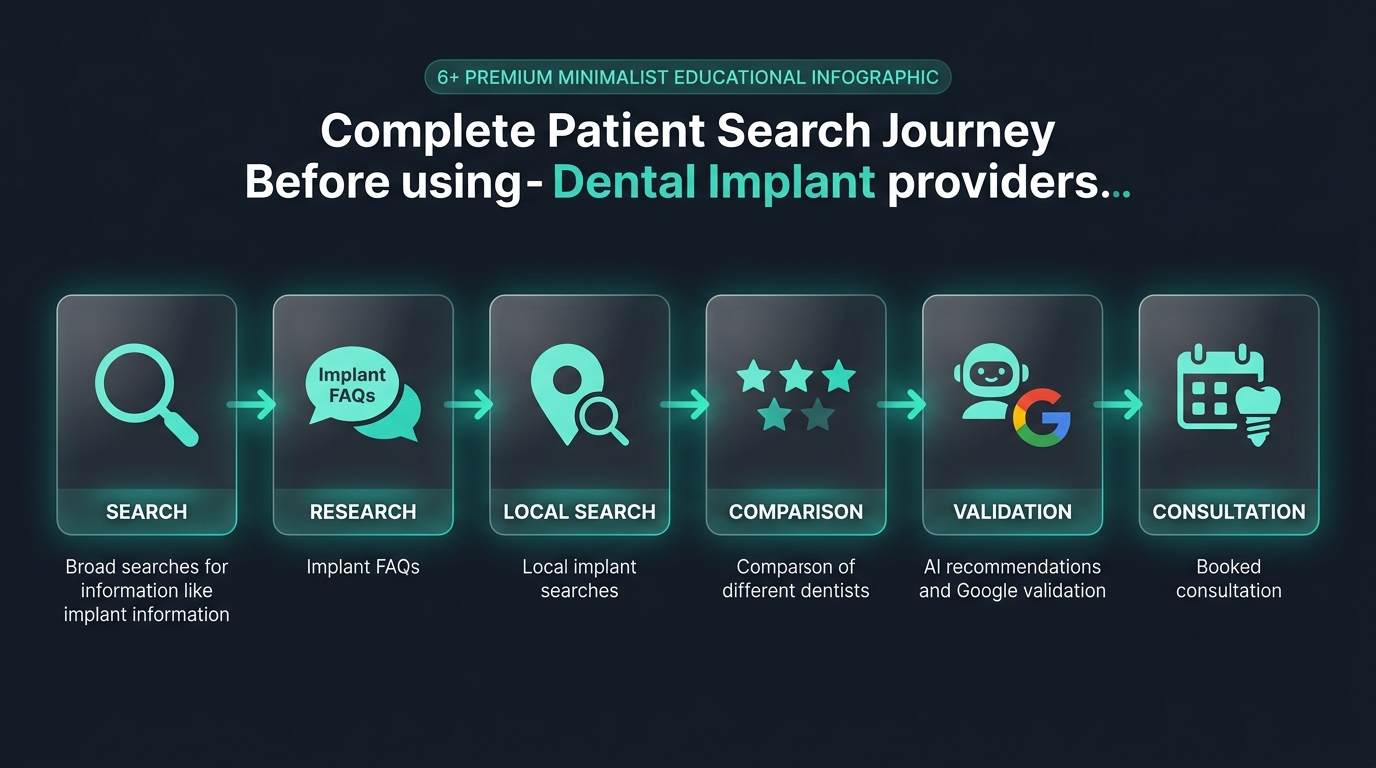 Figure 1: The patient search path begins with broad research and ends with geo-modified provider queries.
 Google Business Profile Optimization for Dental Implant Practices
Your Google Business Profile is the foundation of dental implants local SEO. It is what shows up in the map pack (the Google Map Pack) when someone searches for an implant dentist nearby. If your profile is not fully optimized, you are leaving implant patients on the table.
Here is what your profile needs to do well:
- Relevant GBP Categories: Your primary business category should be Dentist. Add secondary categories that reflect implant services if available in your market. Choose from the best GBP categories for dentists to align your services properly.
- GBP Services Breakdown: Your services section should specifically list dental implants, single tooth implants, implant-supported dentures, and full arch restoration. Be specific. Patients searching for these services need to see them listed clearly. Google reads your services section and uses it to decide when to show your profile. Review our GBP setup guide.
- High Value Clinical Photos: Your photos should include before and after implant results, your implant technology, your treatment rooms, and your team. Implant patients are making a significant financial decision. High-quality photos build confidence before they even contact you. Read our recommendations on GBP photos for dentists.
- Implant Case Reviews: Your reviews need to include specific mentions of implant cases. When asking patients to leave reviews, encourage them to mention the specific treatment they received. A review that says 'I got my implants here and could not be happier' is far more powerful for dental implant local SEO than a generic review that says 'great dentist'. Make review replies standard using our guide on how to respond to reviews.
- Optimized Business Description: Your description should naturally include keywords like dental implants, implant dentist, and the cities you serve. Do not keyword stuff. Write naturally and make it clear what makes your implant services stand out.
- GBP Updates and Posts: Post updates about implant promotions, financing options, patient success stories, and implant technology. Regular posts keep your profile active and signal to Google that your business is engaged and relevant. Learn to leverage GBP posts for dentists. Track your progress using GBP insights, and read our guide to understand how to read GBP insights.
Building a Dedicated Dental Implants Landing Page
One of the most important steps in seo for dental practices focused on implants is creating a dedicated landing page for dental implant services. A generic 'Services' page will not rank for high-value implant searches. You need a page built specifically to rank and convert (like our dental service page SEO blueprints).
This page needs to cover everything a patient considering implants wants to know:
- Headline: Start with a clear headline that includes your primary dental SEO keyword. Something like 'Dental Implants in [Your City]: Natural Looking, Long Lasting Results' works well. It is direct, it includes a location, and it speaks to what the patient wants.
- FAQ Content: Answer the big questions immediately. What are dental implants? Who is a good candidate? How long do they last? What does the process look like? How much do they cost? Does insurance cover them? What financing options are available?
- Implant Technology Highlights: Include specific information about your technology. If you use cone beam CT scanning, digital impressions, guided implant placement, or same-day implants, say so. These differentiators matter to patients making a high-investment decision and they also strengthen your dental website SEO by adding depth and authority to your content.
- Before & After Results: Include patient testimonials and before and after results directly on the page. Social proof is one of the most powerful conversion tools in dental marketing. Real patient stories build trust in a way that promotional copy cannot.
- Above-the-Fold CTA: Place your phone number and a clear call to action above the fold. Do not make a motivated implant patient scroll to find how to contact you. Put your number and a 'Schedule a Consultation' button at the top and repeat them throughout the page.
- Mobile Speed Optimization: Optimize the page for speed and mobile performance. Most patients will view this page on their phone. A slow or hard-to-read mobile experience kills conversions and hurts your dental website speed optimization rankings at the same time.
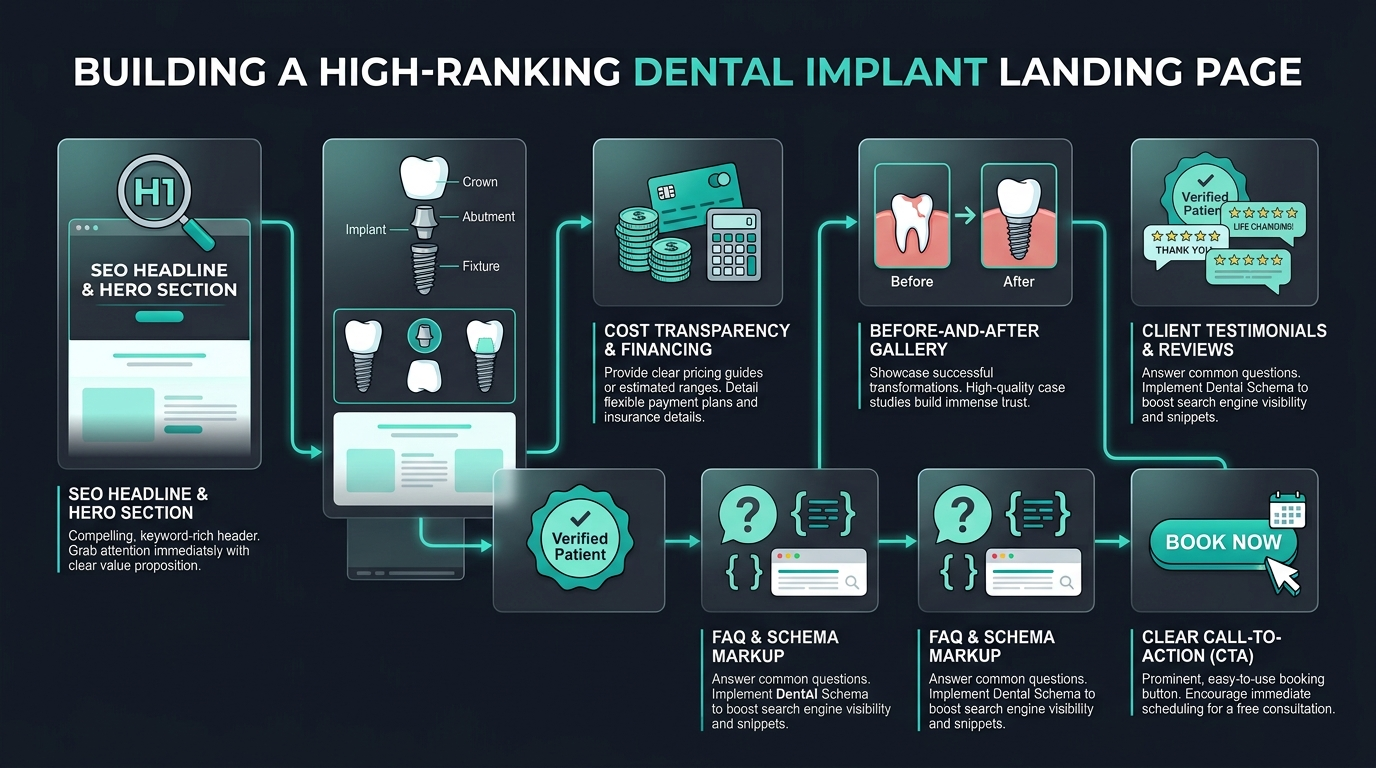 Figure 2: Custom procedures landing pages with bold CTAs and social proof maximize conversion.
 Dental SEO Keywords for Implant Patient Acquisition
Using the right dental SEO keywords across your implant content is essential for showing up in the searches that matter. Here are the types of keywords your implant SEO strategy should target:
- Primary keywords include dental implants, dental implants near me, implant dentist, dental implant specialist, and single tooth implant.
- Location-based keywords include dental implants in [city], dental implant dentist [city], best dental implants [neighborhood], and affordable dental implants [metro area]. Learn more about geo modifier keywords.
- Service-specific keywords include full arch dental implants, implant-supported dentures, same-day dental implants, mini dental implants, all on four implants, and dental implant consultation.
- Question-based keywords include how much do dental implants cost, are dental implants covered by insurance, how long do dental implants last, what is the dental implant process, and who is a candidate for dental implants.
Each of these keyword types serves a different purpose in your dental SEO strategy. Primary and location keywords drive local search traffic. Service-specific keywords attract patients who know exactly what they want. Question-based keywords attract patients in the research phase and are especially powerful for earning featured positions in Google AI Overviews and AI answer engines like Perplexity.
A skilled dental SEO specialist will map these keywords to specific pages and content pieces so that every part of your website is working to attract implant patients. Target long-tail keywords to address specific queries.
Local SEO for Dentists: Building Geographic Authority for Implant Searches
Local dental SEO goes beyond your Google Business Profile. It includes everything that tells Google your practice is a trusted, established business in your specific geographic area.
Citations are one of the most important local SEO signals. A citation is any online mention of your practice name, address, and phone number. Being listed accurately on directories like Yelp, Healthgrades, Zocdoc, and the American Dental Association member directory all send trust signals to Google. A dental local citations auditing process corrects any inconsistencies across the web, including the best dental directories.
Even a small difference like "Suite 100" versus "Ste 100" in your address can confuse search engines and weaken your NAP consistency. Consistency is everything.
Backlinks from local and dental-relevant websites also build your geographic authority. A link from your city's chamber of commerce, a local health blog, a dental school partnership page, or a community organization website all tell Google that your practice is known and respected in your area. These links are a core part of local link building for implant practices, including community backlinks, sponsorship links, press release PR links, and guest posting.
Building local authority takes time. But a practice that has strong local SEO for dentists built up over months and years becomes very difficult for competitors to displace, even when they invest heavily in paid advertising.
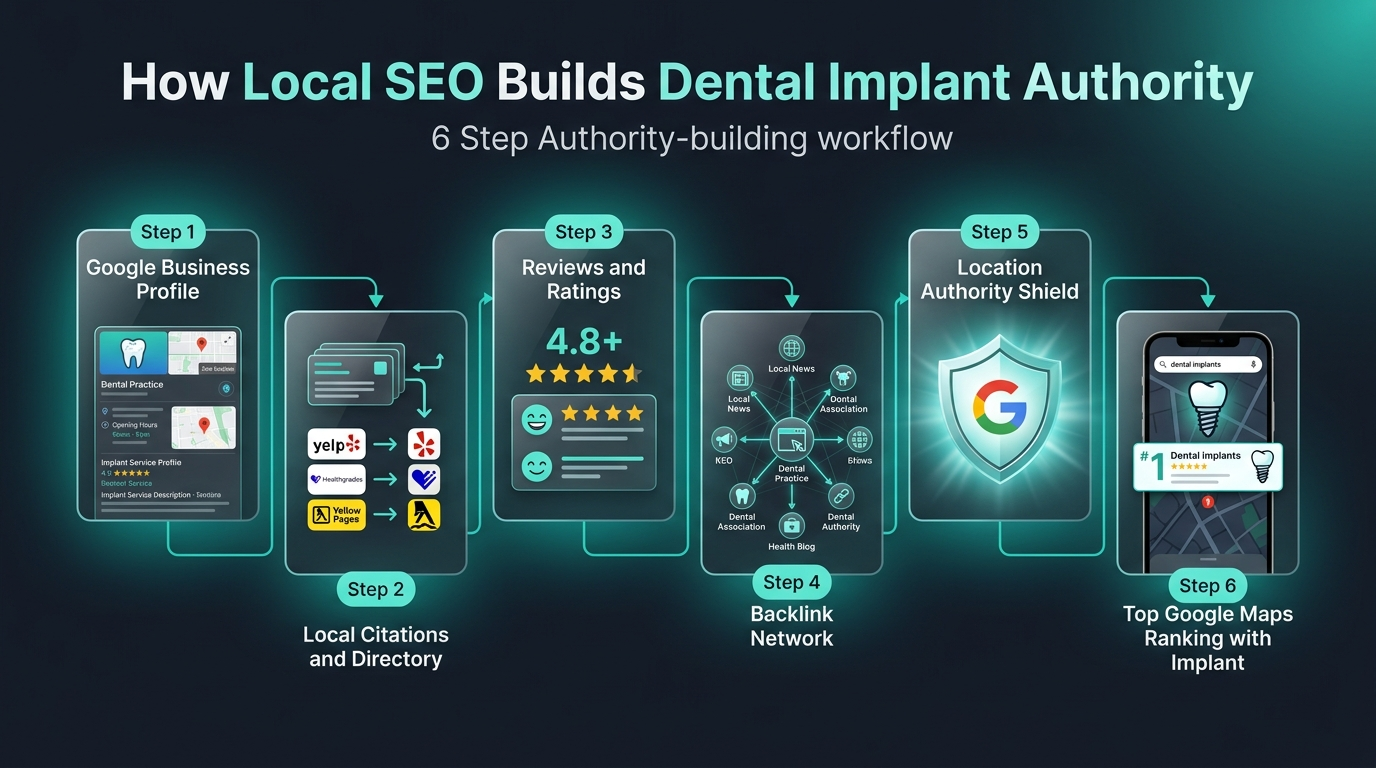 Figure 3: High-quality local citations and clean backlinks establish regional search authority.
 Content Marketing as a Dental SEO Strategy for Implants
Content marketing is one of the most powerful dental SEO strategies for attracting implant patients across the entire search journey. It brings in organic traffic from patients who are researching implants and positions your practice as the most knowledgeable and trustworthy option in your market.
Here are content ideas that work well for dental implant marketing and dental SEO digital marketing:
- How dental implants compare to dentures and bridges.
- What to expect at your first dental implant consultation.
- How to know if you have enough bone for dental implants.
- What the recovery process looks like after implant surgery.
- How dental implants can improve your quality of life.
- Why dental implants are a long-term investment that saves money.
- How to finance dental implants when you do not have insurance.
- What questions to ask your dentist before getting implants.
Each of these topics targets a specific patient concern or question. Each one can rank for its own set of dental SEO keywords. And together they build a comprehensive resource library that Google and AI tools recognize as a sign of genuine expertise.
When writing this content, keep it clear and direct. Use short paragraphs. Use headings that match the questions patients are actually asking. Answer the main question in the first few sentences, then go deeper. This is the format that earns rankings in traditional search and citations in AI engines at the same time.
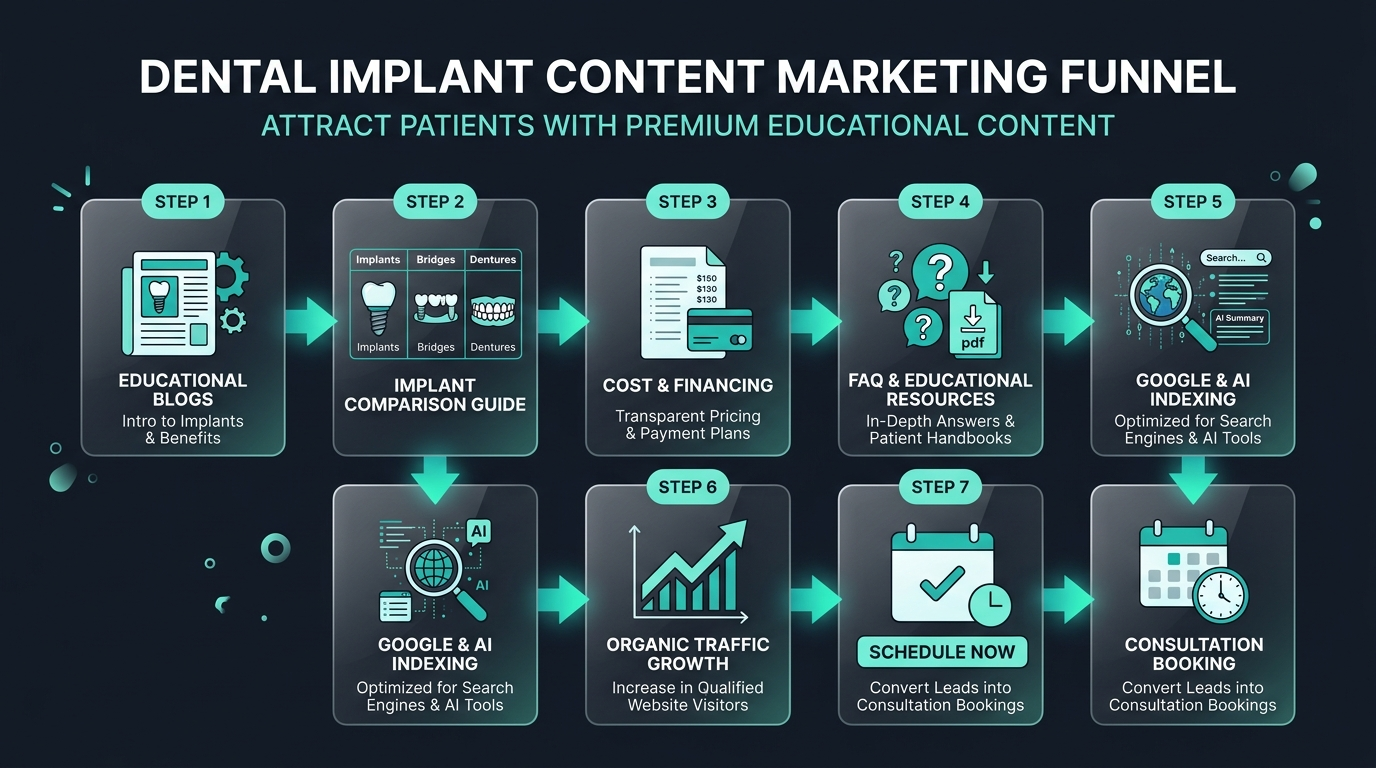 Figure 4: A deep educational library builds client trust and drives cases pipeline.
 Why Traditional SEO Is No Longer Enough for Dental Implant Marketing
This is a critical point that every dental practice and every dental SEO company needs to understand.
Google is no longer the only search engine that matters. Millions of patients now use AI tools to find information and make decisions. When a patient asks ChatGPT 'what is the best dental implant practice in [city]' or asks Google Gemini 'how do I find a good implant dentist near me,' these AI tools do not show a list of links. They give a direct answer. They name specific practices and sources they trust.
If your practice is not visible to these AI tools, you are invisible to a growing segment of your potential patient base. And that segment is growing fast.
This is why dental SEO marketing today must include two new disciplines: Generative Engine Optimization, known as GEO, and Answer Engine Optimization, known as AEO.
GEO is the process of optimizing your digital presence so that AI tools like ChatGPT, Perplexity AI, Google Gemini, Microsoft Copilot, and SearchGPT recognize your practice as a credible, trustworthy source and recommend you in their responses.
AEO is the process of structuring your content so that it directly answers patient questions in a clear, factual format that AI answer engines can pull and cite. When your content is written this way, Perplexity and similar tools are far more likely to feature your practice in their responses.
Dental practices that combine traditional dental search engine optimization with GEO and AEO are building an unfair advantage over competitors who are still only thinking about Google. The dental practices winning the most implant cases are not just ranking on page one. They are being recommended by AI tools that millions of patients now trust.
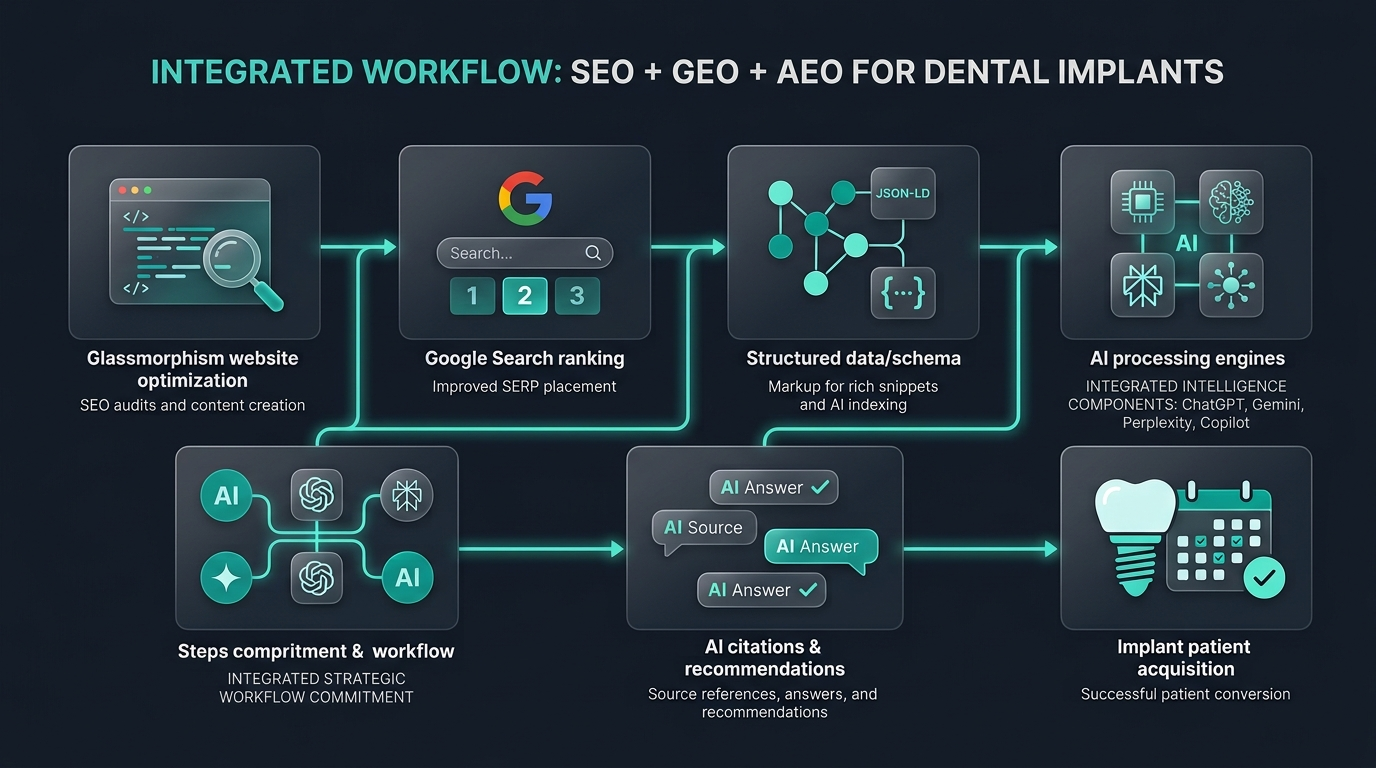 Figure 5: Combining search engine optimization with generative AI target models captures conversational queries.
 Getting Your Dental Practice Cited by ChatGPT, Perplexity, and Google Gemini
Getting cited by AI engines is not luck. It is the result of deliberate choices in your dental SEO and digital marketing strategy. Here is what drives AI citations for dental implant practices:
- Authoritative, Factual Content: AI tools are trained to trust sources that provide clear, accurate, well-organized information. If your website has a detailed page about dental implants that answers questions thoroughly, uses proper headings, includes specific data, and is written in plain language, AI tools are more likely to pull from your site when answering implant-related questions. We leverage a strong zero-click strategy.
- Structured Schema Markup: Adding local business schema, dental service schema, FAQ schema, and review schema to your website helps AI tools understand exactly what your practice offers, where you are located, and why patients trust you. A dental SEO expert or dental SEO specialist will implement schema markup correctly across your entire site. Follow our schema implementation guide and add FAQ schema markup to optimize your layout.
- External Mentions and Backlinks: When respected websites talk about your practice or link to your content, AI tools notice. They are designed to identify which sources the broader internet considers trustworthy. Focus on building authority using E-E-A-T principles.
- Review Volume and Sentiment: AI tools that pull local business information factor in reviews. A practice with hundreds of five-star reviews that specifically mention successful implant cases is far more likely to be recommended by an AI tool than a practice with few reviews or mixed feedback.
- Consistency Across Your Digital Footprint: If your practice information appears differently on different websites, AI tools cannot confirm your identity with confidence. Every listing, every profile, and every mention of your practice online should describe you in a consistent way.
A dental SEO agency that understands AI search optimization will build all of these elements into your strategy from the ground up.
Ranking in Each AI Engine: A Platform by Platform Guide for Implant Practices
Different AI tools work in different ways. Here is what dental practices need to know about each one:
- ChatGPT and SearchGPT: ChatGPT with browsing enabled and SearchGPT pull live information from the web. They heavily favor sources indexed by Bing. Make sure your dental website is verified in Bing Webmaster Tools. Write implant content in a clear, conversational format with direct answers in the opening sentences. ChatGPT tends to cite sources that give specific, actionable information rather than vague promotional content. Your implant pages should read like expert answers, not advertisements.
- Perplexity AI: Perplexity is built as an answer engine. It searches the web in real time and shows citations alongside its answers. To get featured, your content needs to answer the specific question in the very first sentence. Use FAQ formats on your implant pages. Include specific statistics and facts where possible. Perplexity also favors sites with strong backlink profiles, so link building remains a key part of dental SEO internet marketing even for AI visibility.
- Google AI Overviews: Google AI Overviews appear at the top of the search results page, above organic rankings. They pull content from pages Google has already determined to be high-quality. For dental implant practices, the pages most likely to earn AI Overview features are your main implant service page and your FAQ content. These pages need fast loading speeds, clean mobile design, proper heading structure, and content that directly answers the question being searched. Learn more in our guide on how to appear in Google AI Overviews and optimize for voice search queries.
- Microsoft Copilot: Microsoft Copilot is powered by Bing. Optimizing your practice for Bing search is the most direct way to appear in Copilot responses. Claim and complete your Microsoft Places listing. Make sure your NAP information, hours, and services are accurately described across all Microsoft-connected platforms. Use structured data and write content that gives direct answers to the questions implant patients are asking.
Choosing the Right Dental SEO Company for Implant Marketing
Not every dental SEO agency has experience with implant patient acquisition specifically. Implant marketing is different from general dental marketing. The searches are more competitive, the patient decision cycle is longer, and the content needs to address financial concerns, fear, and complex clinical questions.
When evaluating a dental SEO company for implant marketing, ask the following questions:
- Have you helped other dental practices rank for implant-related searches?
- Can you show me examples of implant pages you have built and the results they generated?
- How do you approach the full patient journey from the research phase through the decision phase?
- Do you include GEO and AEO as part of your dental SEO strategy?
- How do you measure success beyond just rankings?
The best dental SEO companies will measure success in terms of new patient acquisition, implant consultations booked, implant cases started, and collected revenue generated. Rankings and traffic are important, but they are inputs. What matters is whether your investment is actually filling your schedule with high-value implant patients. Review typical packages and dental local SEO cost details.
A dental SEO consultant can also be a good option for practices that want strategic guidance without a full agency commitment. A qualified dental SEO specialist with implant marketing experience can audit your current online presence, identify the biggest gaps in your dental SEO strategy, and give you a prioritized plan to follow. Use our custom local SEO audit guide to run a self-check.
Tracking Performance: Dental SEO Marketing Analytics for Implant Practices
Data-driven dental SEO and digital marketing means you are never guessing whether your investment is working. Every element of your implant SEO strategy should be tracked and measured.
Key metrics to monitor include:
- Your ranking positions for implant-related keywords.
- Your Google Business Profile impressions and call clicks.
- Your website traffic from organic search to your implant pages.
- The number of implant consultation requests submitted through your website.
- Your call volume specifically attributed to implant searches.
- Your revenue attribution tied back to patients acquired through dental local SEO.
Modern dental local SEO marketing agencies use closed-loop attribution tools that connect your marketing performance to your practice management software. Whether you use Dentrix, Eaglesoft, or Open Dental, integration is possible. This gives you a clear picture of your return on investment from dental SEO marketing and helps you make smarter decisions about where to grow your budget.
Marketing analytics also reveal which parts of your strategy need improvement. If your implant page is getting strong traffic but low consultation requests, the problem is conversion, not visibility. If your phone calls are up but booked appointments are down, the problem is call handling, not marketing. Data-driven marketing gives you the clarity to fix the right problem. Audit your systems using a complete dental local SEO checklist.
Conclusion: Dental Implants Local SEO Is the Growth Engine Your Practice Needs
Dental implants are one of the most financially rewarding services in all of dentistry. Dental implants local SEO is one of the most direct paths to filling your schedule with the high-value patients who need those services.
A complete dental implant SEO strategy brings together Google Business Profile optimization, a dedicated implant service page, the right dental SEO keywords throughout your site, local citation building, quality backlinks, in-depth content marketing, and now AI visibility through GEO and AEO.
Traditional dental search engine optimization still matters. But it is no longer the whole game. The practices that will dominate implant patient acquisition over the next five to ten years are the ones that show up in Google map results, in organic search, in Google AI Overviews, in ChatGPT conversations, in Perplexity answers, and in Microsoft Copilot recommendations all at the same time.
That kind of total visibility does not happen by accident. It is the result of working with a dental SEO agency or dental SEO consultant that understands both the clinical world of implant dentistry and the rapidly evolving world of dental SEO and digital marketing.
The practices investing in this strategy now will own their local implant market for years to come. The ones that wait will spend those same years wondering why the phone is not ringing.
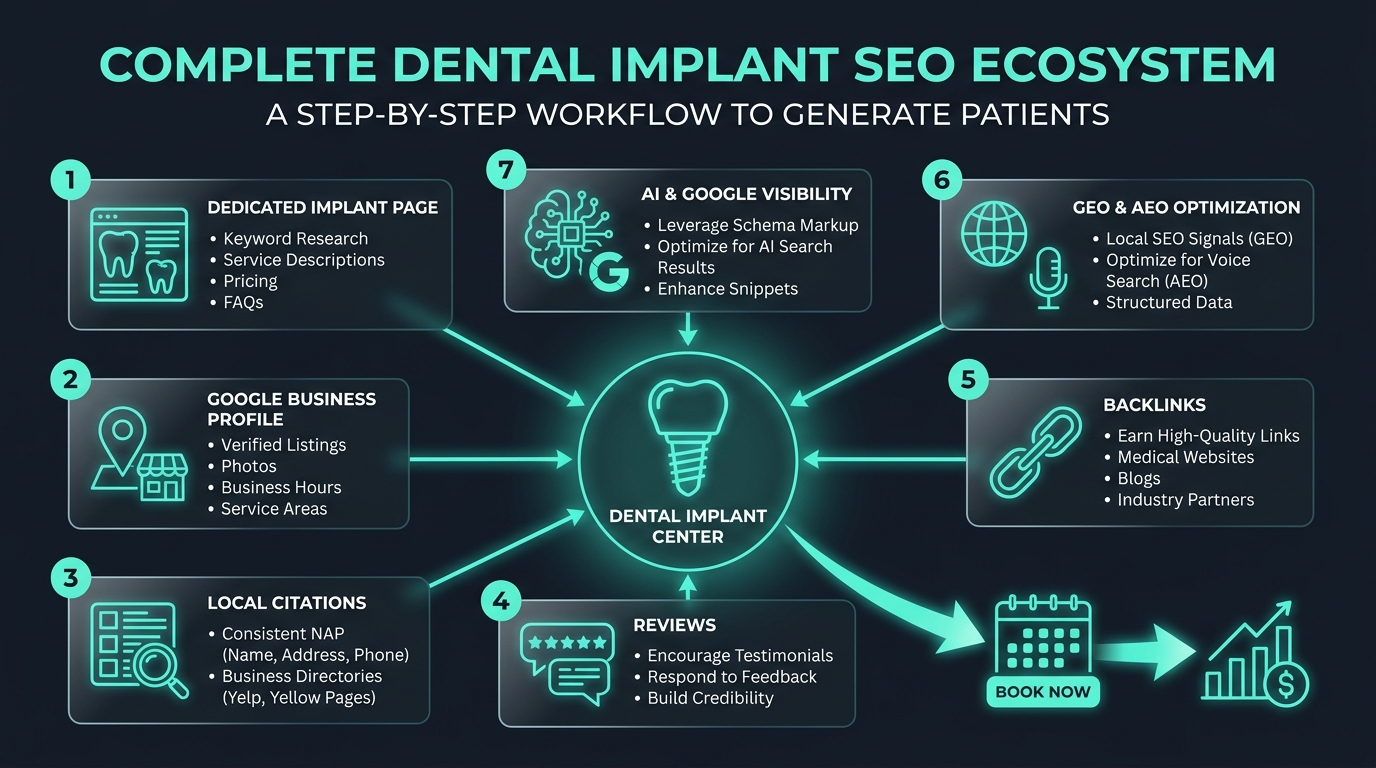 Figure 6: A total visibility ecosystem helps dominate regional implant patient acquisition.
Ready to Dominate Local & AI Search?
Navigating the complexity of Local Map Packs, traditional search rankings, and emerging AI engine visibility can be difficult. Schedule a practice growth audit with our dental SEO specialists today. We will analyze your practice listings, audit your competitor strategies, and layout the exact plan needed to capture high-value cases.
Schedule Growth Assessment