Key Takeaways
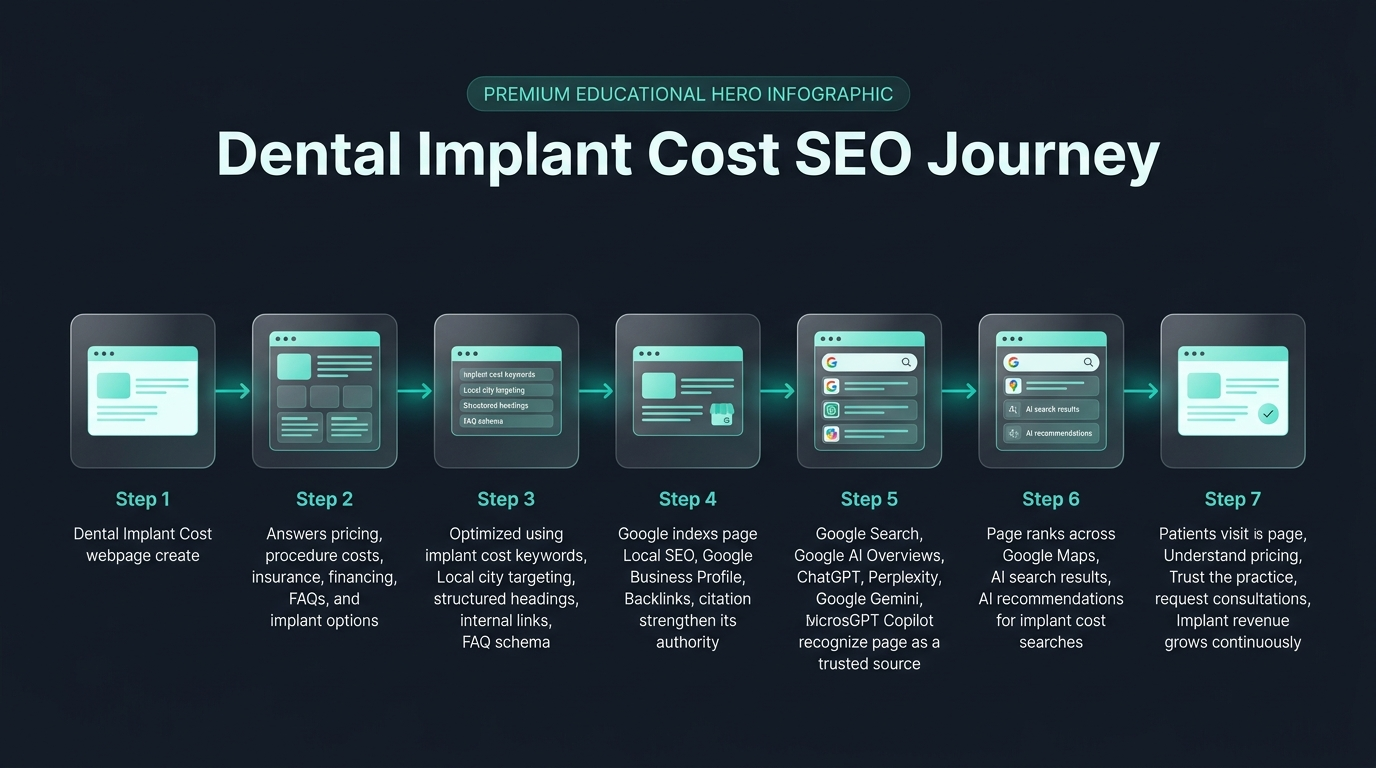
The dental implant cost page is one of the most searched and most competitive pages on any dental website. Patients want to know what implants cost before they ever pick up the phone. If your cost page does not show up when they search, a competitor's page will. And if your page shows up but does not answer their questions clearly, they will leave without calling. This blog explains exactly how to build a dental implant cost page SEO strategy that ranks, converts, and gets your practice cited by AI tools. You will learn the right dental SEO keywords to target, how to structure your content for maximum visibility, and why GEO and AEO are now essential parts of any dental SEO marketing plan for implant practices.
- Transparent Pricing: Listing starting prices or budget ranges builds trust immediately, improving conversion metrics.
- Step-by-Step Breakdown: Detail post components, crowns, imaging fees, and bone grafting to decrease sticker shock.
- Structured Schema: Implement local business and FAQ schema to secure positions inside Google AI Overviews.
- AI Answer Compatibility: Deliver direct pricing and financing details in clear structures to get cited by Perplexity and Gemini.
- Why Your Dental Implant Cost Page Is One of Your Most Valuable SEO Assets
- What Patients Are Actually Searching for on Implant Cost Pages
- How to Structure Your Dental Implant Cost Page for Maximum SEO Performance
- On-Page Dental SEO Elements That Make Your Cost Page Rank
- Traditional SEO Is Not Enough Anymore: Why GEO and AEO Now Matter for Implant Cost Pages
- How to Get Your Implant Cost Page Cited by ChatGPT, Perplexity, and Google Gemini
- Ranking Your Implant Cost Page in Each AI Engine
- Choosing a Dental SEO Company That Can Build and Rank Your Cost Page
- Measuring the Success of Your Dental Implant Cost Page
- Conclusion: Your Dental Implant Cost Page Is a Revenue Engine Waiting to Be Activated
- Frequently Asked Questions
Why Your Dental Implant Cost Page Is One of Your Most Valuable SEO Assets
When a patient is considering dental implants, cost is almost always the first question they ask. Before they wonder about pain, recovery, or the procedure itself, they want to know: how much is this going to cost me?
That makes the search phrase how much do dental implants cost one of the most searched terms in all of dental SEO marketing. It also makes your dental implant cost page one of the highest-opportunity pages on your entire website.
A well-built cost page does two things at once. First, it attracts organic traffic from patients who are actively researching implants. These are not casual browsers. These are real people with real dental problems who are trying to figure out if they can afford the solution. That is a highly motivated audience.
Second, a great cost page converts that traffic into consultation requests and phone calls. When a patient finds clear, honest, helpful information about implant costs on your site, trust builds fast. They feel informed. They feel respected. And they are far more likely to contact your practice than one that hides pricing behind a "call us for a quote" button.
For any dental SEO company working with implant practices, the cost page is one of the first pages to optimize because the return is immediate and measurable.
What Patients Are Actually Searching for on Implant Cost Pages
Understanding patient search behavior is the foundation of a strong dental SEO strategy for your cost page. Patients do not search in one way. They use many different phrases depending on where they are in their decision process.
- Early-stage searches include phrases like "how much do dental implants cost," "dental implant price," "are dental implants expensive," and "dental implant cost breakdown." These patients are in research mode. They want general information and a ballpark figure.
- Mid-stage searches get more specific. Patients start asking things like "dental implants cost near me," "single tooth implant cost," "full arch implant cost," "how much are All-on-4 implants," and "dental implants cost with insurance." These patients are comparing options and getting closer to a decision. Target near me keywords to reach local searchers.
- Late-stage searches are local and action-oriented. Phrases like "dental implant cost in [city]," "affordable dental implants near me," and "dental implant financing options" signal a patient who is ready to act. They just need to find the right practice.
Your dental implant cost page SEO strategy needs to capture patients at all three stages. That means covering a range of dental SEO keywords naturally within your content and structuring the page so it answers both general and specific questions.
A dental SEO specialist will use keyword research to identify exactly which cost-related terms are getting the most searches in your specific market and build your page around those terms.
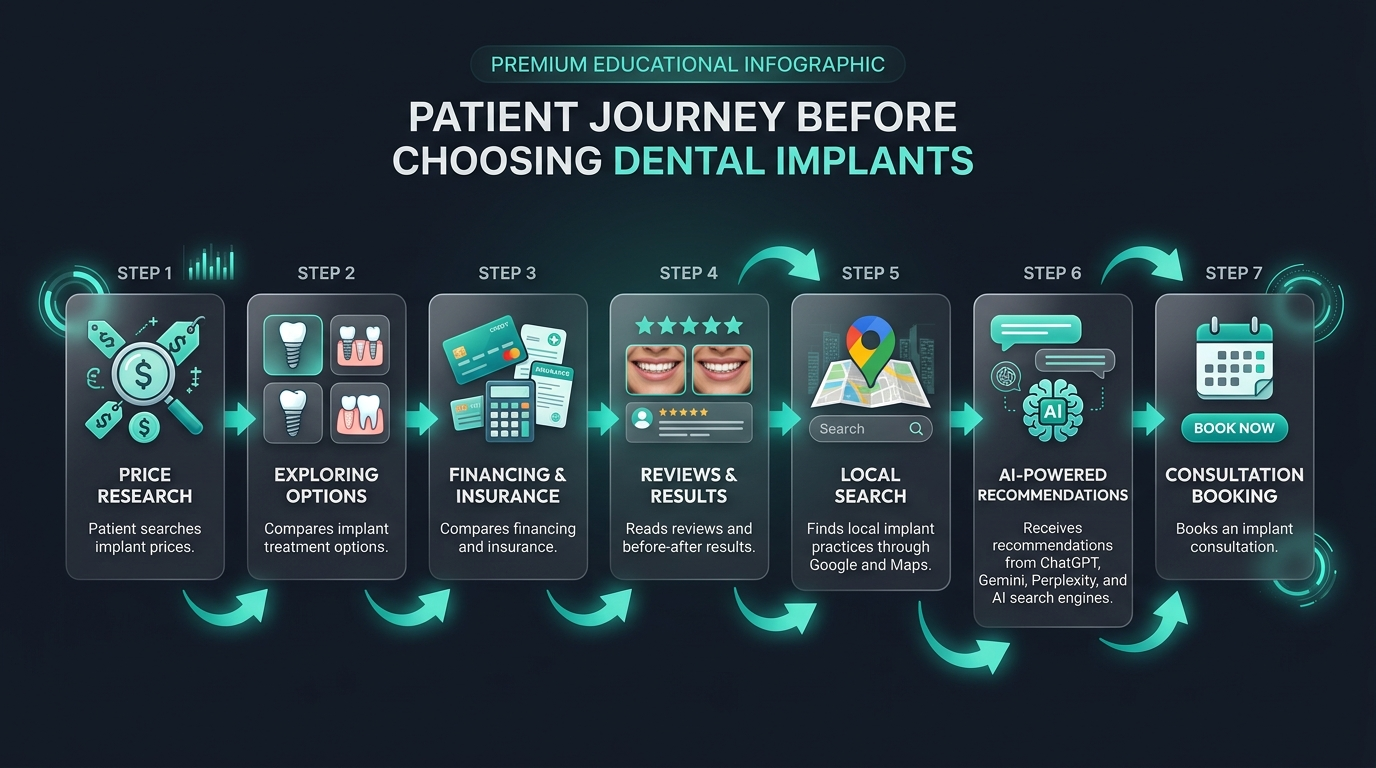 Figure 1: Patients move from generic price research to neighborhood-specific financing queries.
 How to Structure Your Dental Implant Cost Page for Maximum SEO Performance
Structure matters as much as content when it comes to dental website SEO. A cost page that is poorly organized will not rank well even if the information is good. Here is how to build the structure that works.
- Start With a Clear, Keyword-Rich Headline: Your headline is the first thing Google reads and the first thing patients see. It should be direct and include your primary dental SEO keywords. A headline like "Dental Implant Cost in [Your City]: What You Need to Know Before Your Consultation" works well. It is specific, it includes a location, and it tells the patient exactly what the page is going to give them.
- Answer the Cost Question Immediately: Do not make patients scroll to find a number. Put a general price range near the top of the page. Something like "In our practice, single tooth implants typically start at [X] and full arch restorations range from [X] to [X] depending on your individual needs." This is honest, helpful, and exactly what the patient came to find. Practices that hide pricing entirely tend to lose patients to competitors who are more transparent. Transparency builds trust, and trust drives patient conversion. This is also critical for dental local SEO because pages that answer questions directly rank higher than pages that dodge them.
- Break Down the Cost Components: Implant costs confuse patients because there are multiple components involved. Many patients call a practice after seeing a price and then feel misled when they learn the real total. Your page can build trust by explaining each component clearly. Cover the cost of the implant post itself, the abutment, the crown, any bone grafting that may be needed, CT scans and imaging, and surgical fees. Then explain how these components combine into a total treatment cost. When patients understand what they are paying for, sticker shock is reduced and treatment acceptance goes up. This level of detail is also a strong signal for dental search engine optimization. Pages that cover a topic thoroughly and answer follow-up questions naturally tend to rank higher than thin pages that only skim the surface.
- Address Insurance and Financing Directly: After cost, the next most common patient question is whether insurance covers implants. Answer this honestly and specifically. Explain that most traditional dental insurance plans cover little or nothing for implants, but that medical insurance sometimes covers parts of the procedure depending on the reason for tooth loss. Then immediately pivot to financing options. Explain the payment plans your practice offers. If you work with CareCredit, Lending Club Patient Solutions, or offer in-house payment plans, say so clearly. Include specific monthly payment examples if you can. A patient who was worried about affording implants becomes a motivated caller when they see that a full arch restoration can be broken into manageable monthly payments. This content also ranks well in dental SEO because it addresses the specific questions patients type into search engines at the decision stage of their journey.
- Include an FAQ Section: An FAQ section near the bottom of your cost page is one of the most effective tools in dentist website SEO for two reasons. First, it allows you to naturally include additional dental SEO keywords by framing them as questions patients actually ask. Second, it significantly improves your chances of appearing in Google AI Overviews and being cited by AI tools like Perplexity and ChatGPT. Good FAQ questions for a dental implant cost page include: How long do dental implants last? Are dental implants worth the cost? What is the cheapest way to get dental implants? Does Medicare cover dental implants? How do I know if am a candidate for implants? What happens if I cannot afford dental implants right now? Each answer should be two to four sentences, direct, and written in plain language. This is the exact format that AI answer engines look for when deciding what to cite.
- End With a Clear Call to Action: Every implant cost page should close with a strong call to action. Invite the patient to schedule a free consultation, call your office directly, or fill out a contact form. Tell them what happens next. Will they receive a call within 24 hours? Will they get a personalized cost estimate at their consultation? Will their consultation include a free imaging scan? A clear next step reduces patient hesitation and increases conversion rates. This is where dental SEO and digital marketing work together. Ranking is only half the job. Converting the visitor into a patient is the other half.
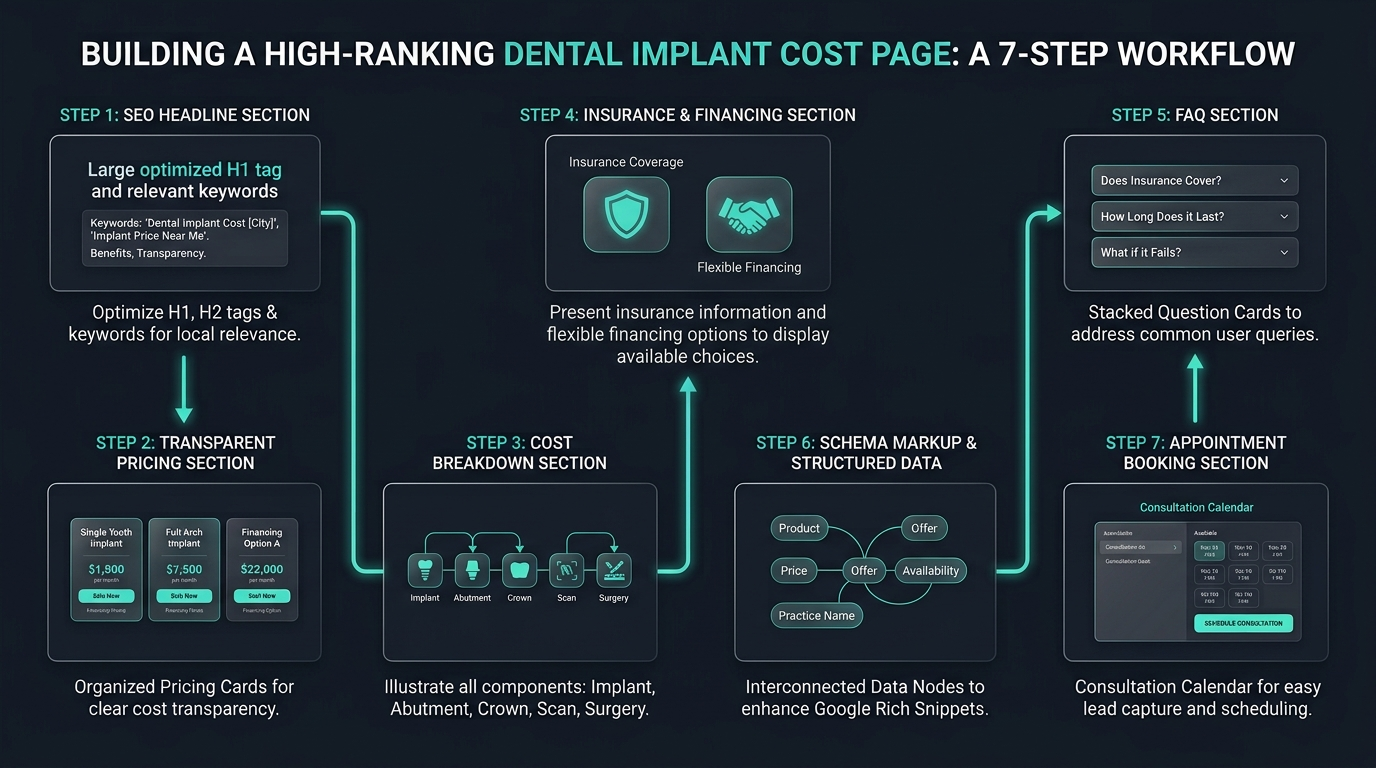 Figure 2: Breaking pricing components down transparently keeps bounce rates low.
 On-Page Dental SEO Elements That Make Your Cost Page Rank
Beyond the content itself, there are specific technical and on-page SEO elements that every dental SEO strategy must include on a cost page.
- Page Title Tag: Your page title tag should include the primary keyword and your city. Something like "Dental Implant Cost in [City] | [Practice Name]" is the right format.
- Meta Description: Your meta description should summarize the page in one to two sentences and include a call to action. Keep it under 160 characters.
- URL Structure: Your URL should be clean and include the keyword. Something like
yourpractice.com/dental-implant-costis ideal. - Header Tags: Use header tags to organize your content. Your H1 is your main headline. H2 tags should cover major sections like "What Affects the Cost of Dental Implants," "Does Insurance Cover Implants," and "Financing Options." H3 tags can be used for subsections within those.
- FAQ Schema Markup: Add FAQ schema markup to your FAQ section. This is structured data code that tells Google your page contains question and answer content. Pages with FAQ schema are far more likely to appear in Google AI Overviews and earn rich results in search. A dental SEO expert or dental SEO specialist can add this to your page correctly. Learn more in our schema markup guide and our schema implementation guide.
- Local Business Schema: Add local business schema to your site overall. This tells search engines and AI tools your practice name, address, phone number, hours, and services. It is a foundational element of dental local SEO and dental search engine optimization that many practices overlook. Add FAQ schema markup to optimize listings snippets.
- Internal Linking: Include internal links from your cost page to related pages on your site, such as your main dental implants services page, your patient reviews page, your financing page, and your contact page. Internal links spread authority across your site and keep patients moving through their decision-making journey.
Traditional SEO Is Not Enough Anymore: Why GEO and AEO Now Matter for Implant Cost Pages
Here is the reality that every dental practice and dental SEO company needs to understand right now. Google rankings are still important. But they are only one part of the visibility picture.
Patients are increasingly turning to AI tools to answer their questions before they ever visit a website. When someone asks ChatGPT "how much does a dental implant cost in [city]" or asks Perplexity "what is a fair price for dental implants," these tools generate a direct answer. They may or may not include a link to your website. Whether they cite your practice depends entirely on how your content is structured and how trustworthy your online presence looks to an AI.
This is the core of Generative Engine Optimization, or GEO. GEO is the practice of optimizing your content and digital presence so that AI tools like ChatGPT, Perplexity AI, Google Gemini, Microsoft Copilot, and SearchGPT recognize your practice as a credible source and include you in their responses.
There is also Answer Engine Optimization, or AEO. AEO focuses specifically on structuring your content so that AI answer engines can extract clear, usable answers from your pages. When your dental implant cost page is written with AEO in mind, Perplexity is more likely to pull your content as the answer when a patient asks about implant costs. Google is more likely to feature your content in an AI Overview. ChatGPT is more likely to cite your practice as a trusted source.
Dental practices that continue to rely only on traditional dental search engine optimisation and ignore GEO and AEO are already falling behind. The transition to AI-assisted search is not coming. It is already here. Every day that your cost page is not optimized for AI visibility is a day a competitor with better-structured content gets cited in your place.
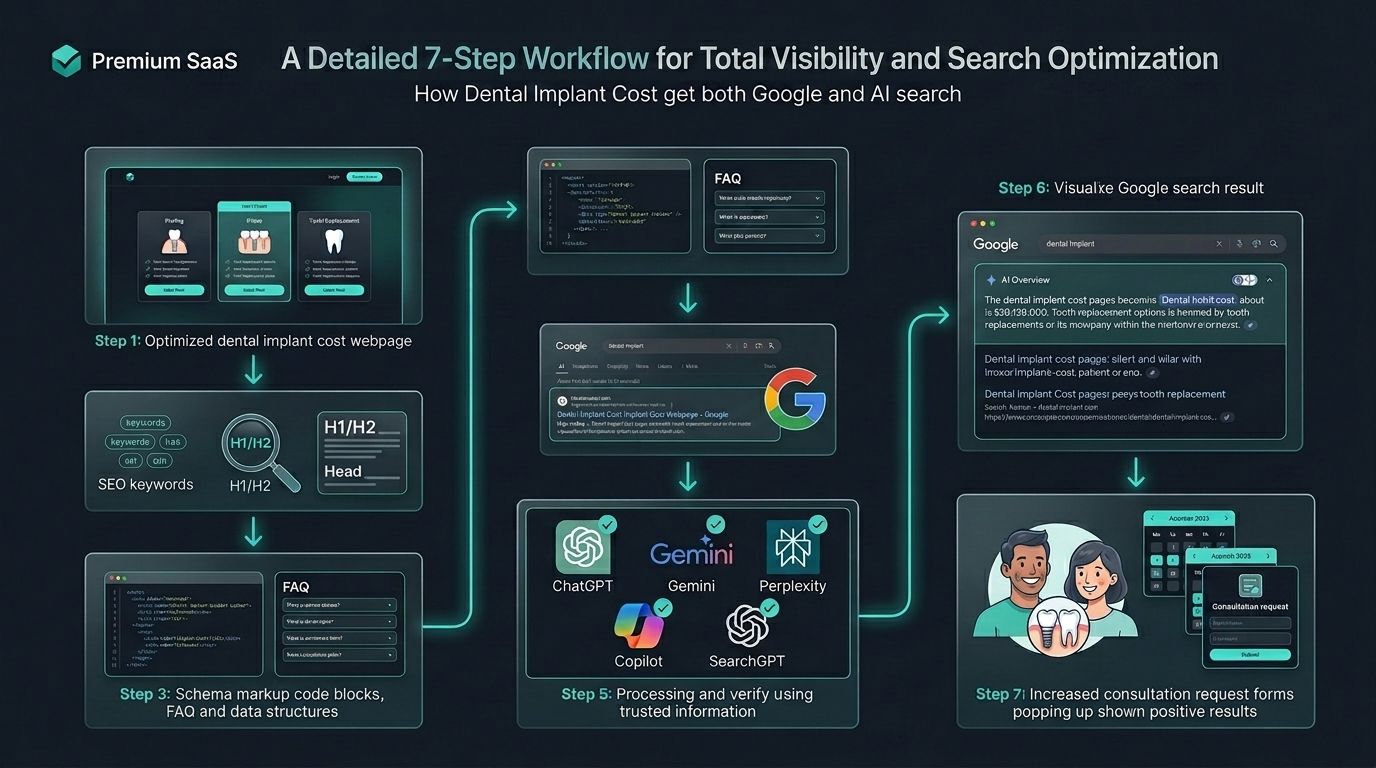 Figure 3: Optimizing listings data alongside website markup satisfies generative AI engine crawlers.
 How to Get Your Implant Cost Page Cited by ChatGPT, Perplexity, and Google Gemini
Getting cited by AI tools on implant cost queries is achievable if you know what these tools look for. Here is exactly how to structure your content and digital presence to earn those citations:
- Factual, Direct Content Structures: AI tools favor content that is structured in a question-and-answer format, uses clear headings, provides specific numbers and facts, and gives direct answers without burying the main point in promotional language. Your cost page should lead every section with the answer, then provide supporting detail. This is the opposite of how many dental websites are written, which buries the key information at the bottom after several paragraphs of marketing copy. We optimize for AI engine queries with a strong zero-click strategy.
- Target Concrete Data Points: AI tools trust content that includes specific numbers. On your cost page, include concrete price ranges, financing payment examples, success rates, longevity statistics, and any data points that give the reader real information rather than vague generalities. A sentence like "Dental implants have a documented success rate of over 95 percent over a ten-year period" is far more citable than "dental implants are very successful."
- Structured Markup Integrations: This cannot be said enough. FAQ schema, local business schema, and dental service schema are all code additions that help AI tools understand your content at a structural level. These are not optional extras in modern dental SEO and digital marketing. They are essential for AI visibility. A dental SEO agency that understands current best practices will build these into every implant page they create.
- EEAT Authority Signals: AI tools do not just look at your website in isolation. They evaluate how the broader internet perceives your practice. Backlinks from respected health websites, dental directories, local media outlets, and professional associations all signal authority. Focus on building authority using E-E-A-T principles. The more your practice is talked about and linked to from trusted sources (through a customized local link building plan including community backlinks, sponsorship links, press release PR links, and guest posting), the more confident AI tools are about recommending you.
- Digital Citation Unification: If your practice name, address, phone number, and services are described differently across different websites and directories, AI tools lose confidence in your information. A dental local citations auditing process will audit your entire digital presence and make sure every listing describes your practice in exactly the same way, helping to resolve NAP consistency.
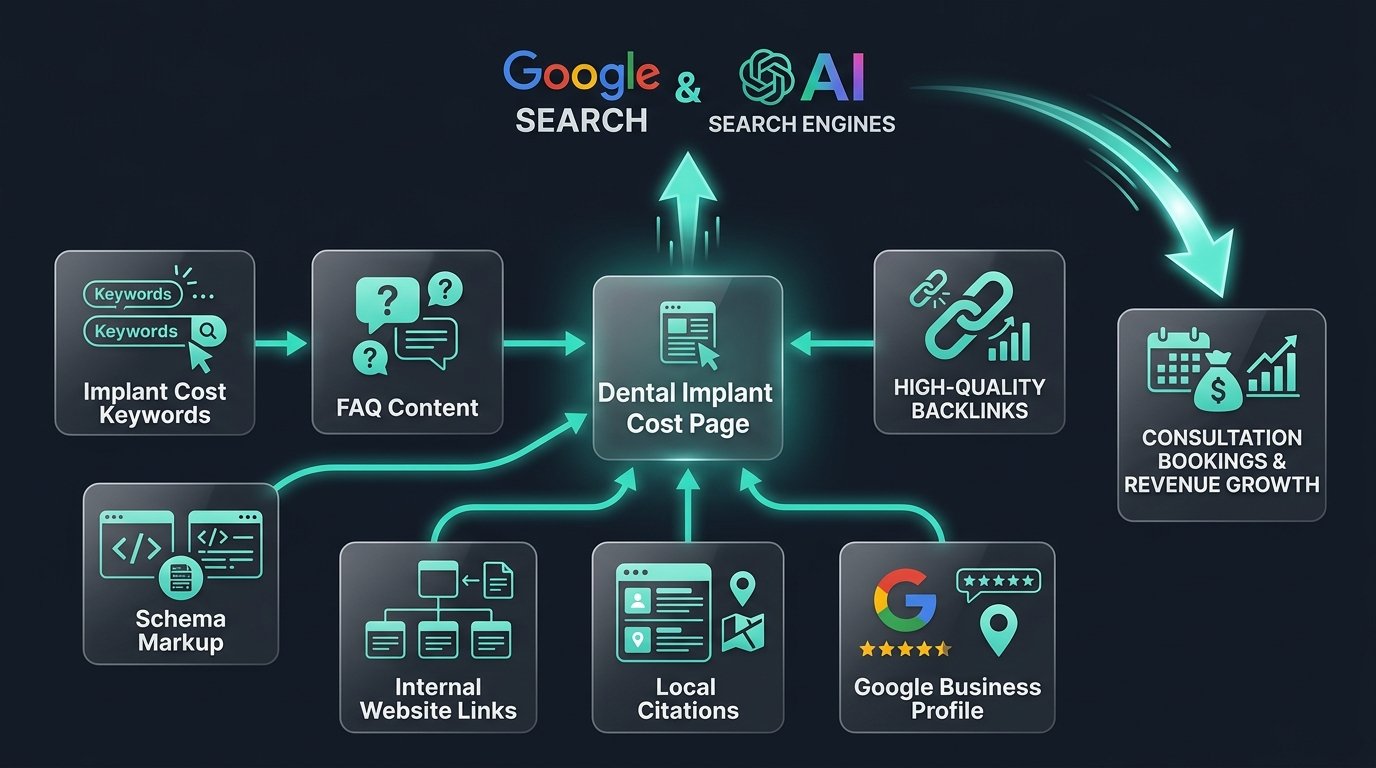 Figure 4: A unified digital ecosystem builds trust, driving citations inside generative search.
 Ranking Your Implant Cost Page in Each AI Engine
Different AI platforms have different priorities. Here is how to approach each one for your dental implant cost page:
- ChatGPT and SearchGPT: ChatGPT with browsing pulls live content from the web, favoring sources well-indexed by Bing. Make sure your cost page is submitted to Bing Webmaster Tools and fully indexed. Write your cost content in a conversational format that directly answers the question. ChatGPT favors pages that lead with the answer and support it with specific details. Avoid jargon and write the way a helpful dentist would explain costs to a patient in person.
- Perplexity AI: Perplexity actively searches the web and shows citations. To get featured, your cost page needs to answer the cost question in the very first sentence. Use an FAQ section with short, factual answers. Perplexity rewards specificity and source credibility. Strong backlinks from dental and health-related websites increase your chances of being pulled into Perplexity answers significantly.
- Google AI Overviews: Google AI Overviews pull from pages Google already trusts. Your cost page needs to be fast, mobile-friendly, and structured with proper headings and schema. The content that most often earns AI Overview features is content that directly answers a specific question in a concise, well-organized way. Your FAQ section and your price breakdown section are the most likely candidates for AI Overview features on a cost page. Learn more in our guide on how to appear in AI Overviews and optimize for voice search queries.
- Microsoft Copilot: Copilot is built on Bing. Optimizing for Bing search, claiming your Microsoft Places listing, and using structured data are the primary levers. Write your cost content so it answers questions directly and includes real numbers.
Choosing a Dental SEO Company That Can Build and Rank Your Cost Page
Not all dental SEO agencies understand what makes an implant cost page perform. Many agencies will create a basic page with generic content and a few keyword mentions and call it done. That approach produces thin results in a highly competitive space.
The best dental SEO company for implant cost page SEO will do the following:
- Conduct detailed keyword research to find the exact terms implant patients in your market are searching for.
- Build a well-structured page that answers cost questions thoroughly and honestly.
- Add all relevant schema markup.
- Optimize your page for speed and mobile performance.
- Connect your cost page to your broader dental SEO strategy through internal linking and local SEO signals.
- Build a GEO and AEO strategy that gives your cost page visibility in AI engines, not just Google.
Ask any dental SEO consultant or dental SEO specialist you are considering: have you built implant cost pages before and can you show me results? How do you approach AI visibility alongside traditional dental search engine marketing? How do you measure the success of a cost page beyond just traffic? Use our custom local SEO audit guide to run a self-check, and review typical dental local SEO cost packages.
Measuring the Success of Your Dental Implant Cost Page
A dental SEO strategy is only as good as its results. Here is how to measure whether your implant cost page is doing its job:
- Keyword Rankings: Track your keyword rankings for implant cost terms in your market. Are you appearing on page one for phrases like "dental implant cost [city]" and "how much do dental implants cost near me"? If not, your dental website optimization needs more work.
- Organic Traffic: Track your organic traffic to the cost page specifically. How many visitors is the page getting each month? Is that number growing? Traffic growth over time is a sign that your dental SEO digital marketing efforts are working.
- Consultation Requests: Track consultation requests generated from the cost page. This is the metric that matters most. How many patients are filling out your contact form or calling your office directly from this page? This number tells you whether your page is converting, not just ranking.
- Revenue Attribution: Track your revenue attribution from implant patients who found you through organic search. A dental local SEO marketing company that uses closed-loop attribution tools can connect your SEO performance to your practice management software and show you exactly how much collected revenue your cost page is generating. Audit your overall campaign using a complete dental local SEO checklist.
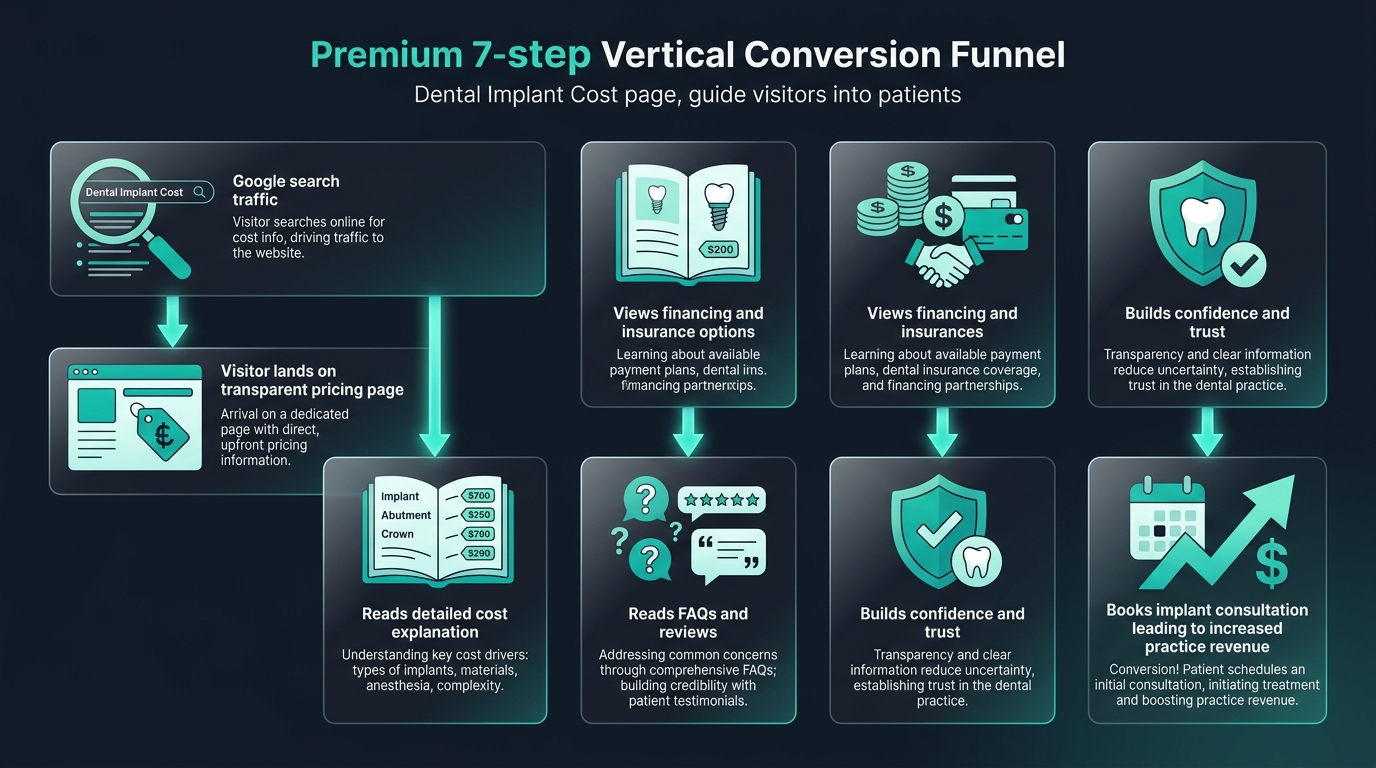 Figure 5: Closed-loop attribution connects cost page hits directly to completed cases.
 Conclusion: Your Dental Implant Cost Page Is a Revenue Engine Waiting to Be Activated
Dental implant patients are out there searching right now. They are typing cost questions into Google. They are asking ChatGPT and Perplexity for pricing information. They are comparing practices based on what they find online before they ever call anyone.
If your implant cost page is not optimized, you are invisible at the exact moment these patients are ready to make a decision. If it is optimized correctly, it becomes one of the most powerful patient acquisition tools your practice has.
A complete dental implant cost page SEO strategy combines the right dental SEO keywords, a clear and honest cost structure, strong on-page technical elements, local SEO signals, FAQ schema, and a GEO and AEO approach that gets your practice cited by the AI tools millions of patients now trust.
Traditional dental search engine optimization alone is no longer enough to capture this audience. The dental practices winning the most implant cases today are the ones that show up everywhere patients are looking, on Google, in AI Overviews, in ChatGPT answers, and in Perplexity citations.
Start building that visibility now. Your implant cost page is not just an SEO asset. It is a revenue engine. Treat it like one.
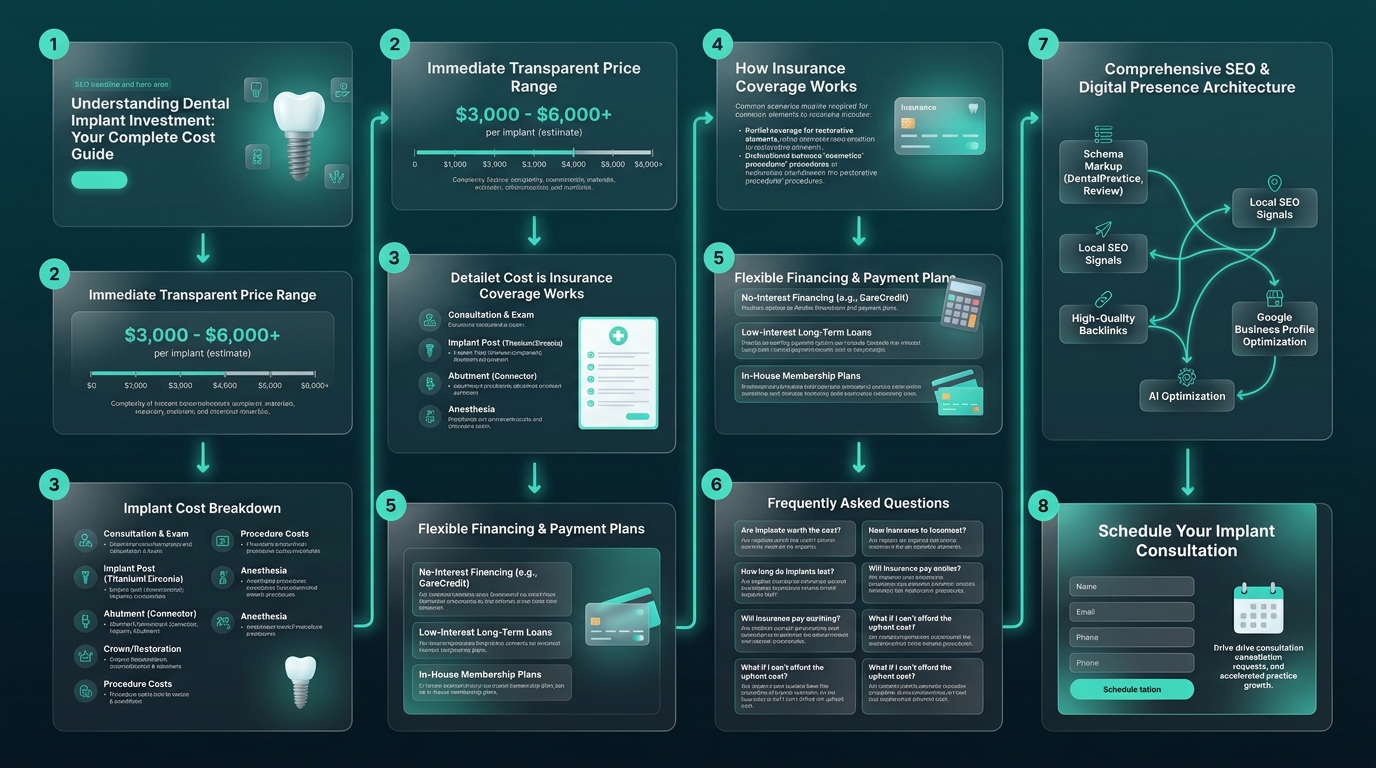 Figure 6: Combining keyword positioning with structured layout yields high clinical returns.
Ready to Dominate Local & AI Search?
Navigating the complexity of Local Map Packs, traditional search rankings, and emerging AI engine visibility can be difficult. Schedule a practice growth audit with our dental SEO specialists today. We will analyze your practice listings, audit your competitor strategies, and layout the exact plan needed to capture high-value cases.
Schedule Growth Assessment