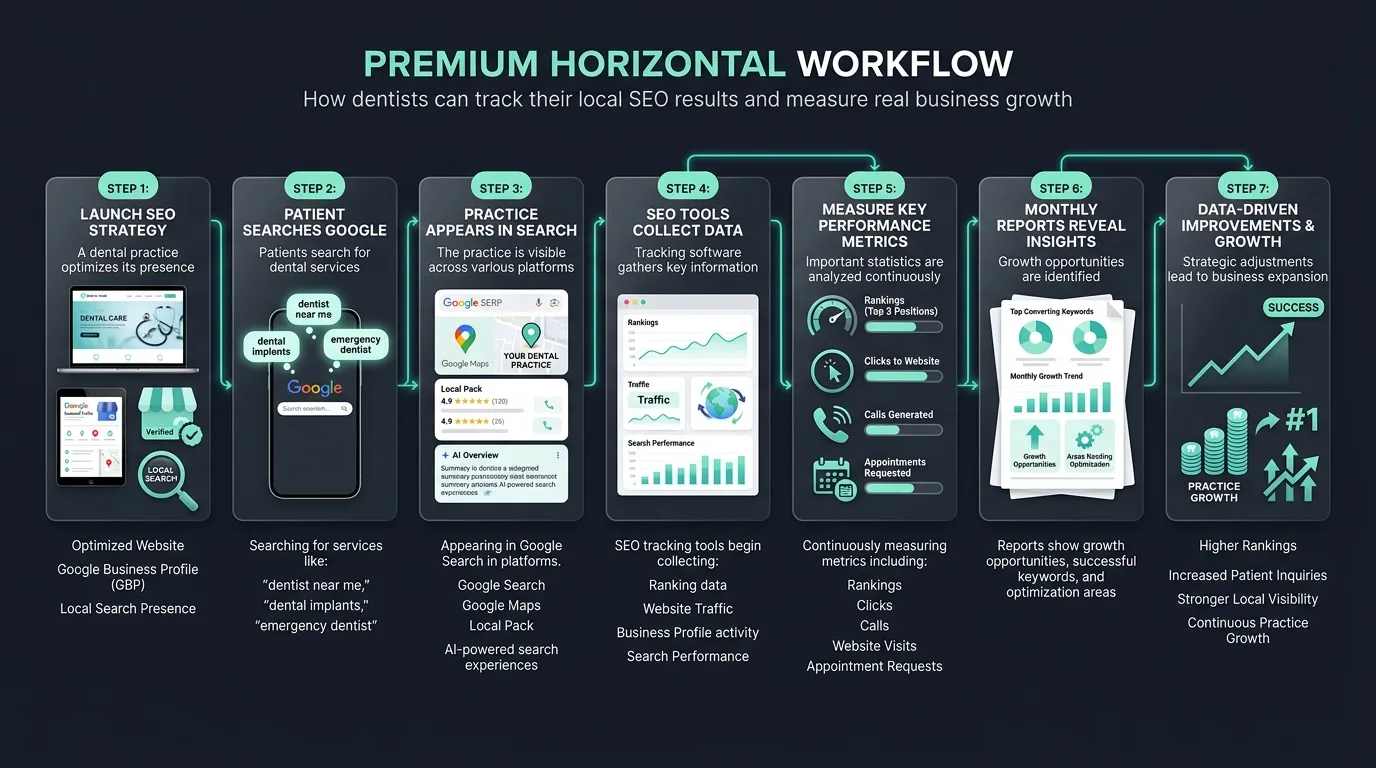
Key Takeaways
This guide helps dentists and dental practice owners understand how to track local SEO results. You will learn what numbers to watch, how dental SEO works, and why AI search engines are changing everything. Whether you run a solo practice or a multi-location dental group, this guide gives you clear steps to measure growth and get more new patients.
- Hyperlocal Rankings: Search positions fluctuate significantly depending on patient location coordinate points.
- GBP Analytics: Profile phone clicks and map driving directions map to booking actions.
- AI Recommender footprint: Conversational search portals like ChatGPT require citation footprint tracking.
- Closed-loop booking tracking: Dynamic call log software attributes patient revenue to organic terms.
- What Is Dental Local SEO and Why Does It Matter
- The Key Numbers You Must Track for Dental SEO
- How to Set Up Tracking for Your Dental Practice SEO
- What Good Dental SEO Results Look Like
- Why AI Search Is Changing Dental SEO Forever
- Getting Your Dental Practice Cited by AI Engines
- Local SEO for Dentists: The Ongoing Process
- Choosing the Right Dental SEO Agency
- Final Thoughts
- Frequently Asked Questions
What Is Dental Local SEO and Why Does It Matter
Dental local SEO is the process of helping your dental practice show up when people search for a dentist near them. When someone types "dentist near me" or "dental implants in my city," local SEO decides which practices show up first.
SEO for dentists is not just about showing up on Google anymore. Your practice needs to be visible on Google Maps, in AI search tools like ChatGPT and Perplexity AI, and in voice search results. If patients cannot find you online, they will go to a competitor. Learn more in our AI search optimization guide.
Good dental search engine optimization brings in more patient leads, fills your appointment book, and grows your practice revenue without spending all your budget on paid ads. Learn organic rankings in our dental keywords guide.
The Key Numbers You Must Track for Dental SEO
If you want to grow your dental practice through local SEO, you need to track the right numbers. Here are the most important ones.
- Google Search Rankings: Your keyword rankings show where your website appears in Google search results. Track terms like "dentist in your city," "dental implants near me," and "cosmetic dentistry in your area." A strong dental SEO strategy pushes these rankings to the top of page one. Use Google Search Console to see keyword performance.
- Google Business Profile Visibility: Your Google Business Profile controls how your practice appears in Google Maps and local search. Track how many people view your profile, click on your phone number, and ask for directions. These numbers show whether your local dental SEO is working. Review setup in our GBP setup guide.
- Website Traffic: Track how many people visit your dental website each month. Look at where they come from. Organic traffic means people found you through search without you paying for a click. Growing organic traffic is the goal of dental website SEO. Review speed in our mobile optimization guide.
- New Patient Leads and Appointments: This is the number that matters most. How many new patients called, filled out a form, or booked an appointment because of your SEO? Track leads every single month and connect them back to your marketing efforts.
- Conversion Rate: If 100 people visit your dental website and only one books an appointment, your conversion rate is 1 percent. Good website conversion optimization can double or triple this number without spending more on ads. Review setups in our technical SEO guide.
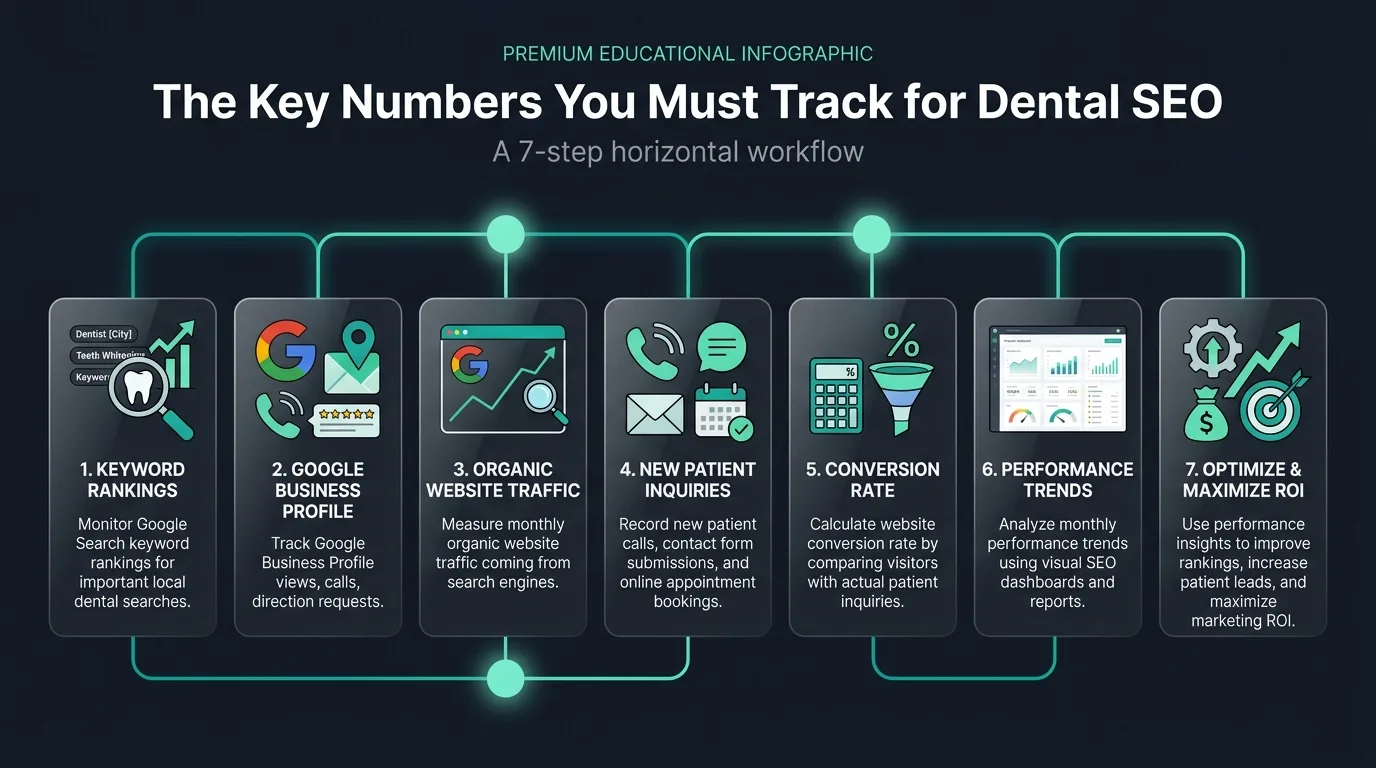 Figure 1: Core patient acquisition numbers including organic visits, Map Pack calls, and conversions.
 How to Set Up Tracking for Your Dental Practice SEO
Setting up proper measurement tools ensures you gather accurate analytics parameters for your clinic marketing campaigns.
- Step 1: Connect Google Search Console: Google Search Console is free and shows you exactly how your dental website performs in Google search. You can see which pages rank, which dental SEO keywords drive clicks, and where you need to improve.
- Step 2: Use Google Analytics: Google Analytics tracks every visit to your website. Set up goals so you can see when someone fills out a contact form or clicks your phone number. This tells you how many patient leads your dental SEO is actually producing.
- Step 3: Track Phone Calls: Use call tracking software to know which patients called after finding you through search. This closes the loop between your SEO for dental offices and real business results.
- Step 4: Monitor Google Reviews: Online reviews are a major part of local SEO for dentists. The more five-star reviews you have, the better your Google Maps rankings will be. Track your review count and your average rating every month. Make it a habit to ask happy patients for reviews right after their appointment.
- Step 5: Check Local Search Rankings Weekly: Use a local rank tracker to monitor where your practice appears in different zip codes and neighborhoods. Local SEO for dentists is hyperlocal, meaning your rankings can change depending on where the searcher is located. Review directories listings in our citations guide.
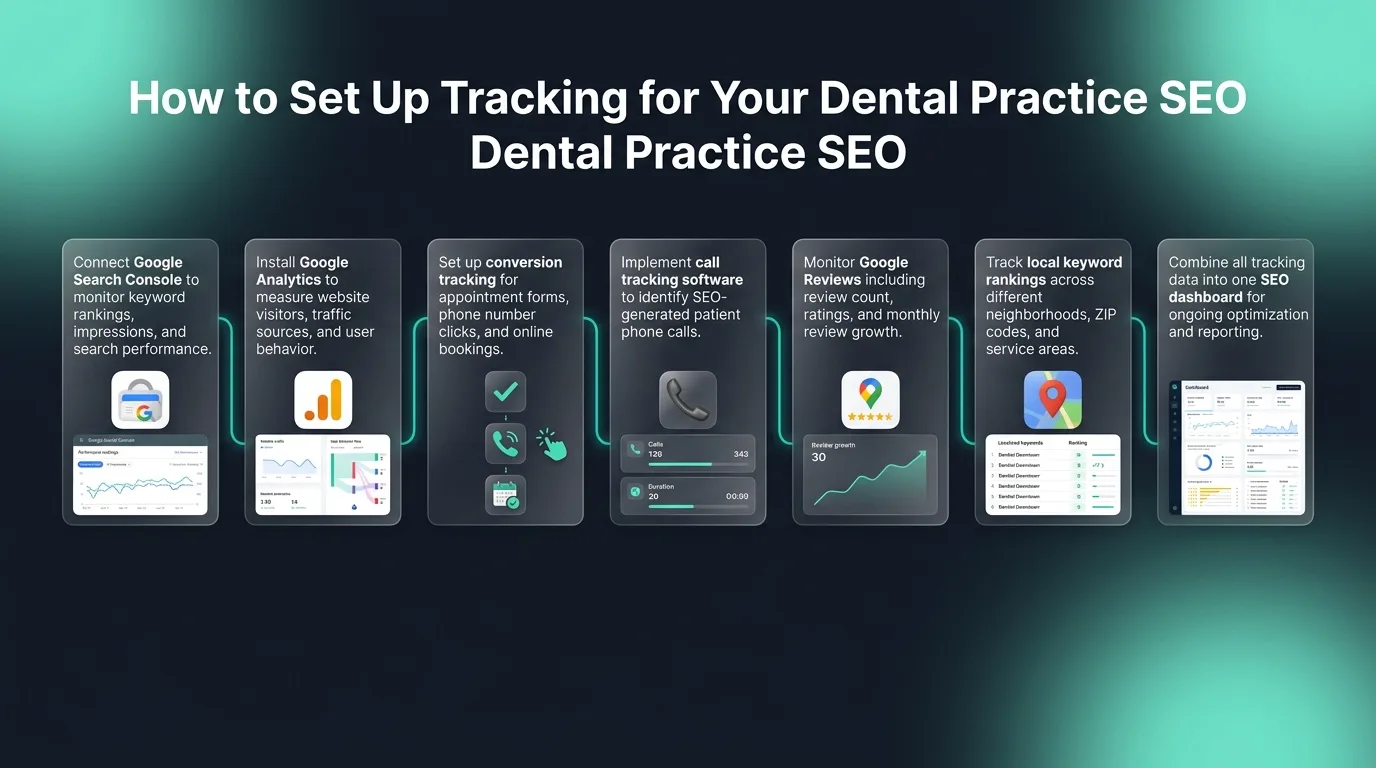 Figure 2: Syncing Google Analytics and dynamic call routing profiles captures patient booking origins.
 What Good Dental SEO Results Look Like
When your dental SEO marketing is working, you will see these signs.
Your Google Search rankings will move up for important keywords. Your Google Business Profile will get more views and clicks. Website traffic will grow month over month. Phone calls and new patient forms will increase. Your cost per new patient will go down because organic search is bringing people in for free. Review categories details in our GBP categories guide.
A good dental SEO agency or dental SEO company will show you all of these numbers in a clear marketing dashboard. If your current provider cannot show you the data, that is a problem. Review metrics audits in our local SEO audit guide.
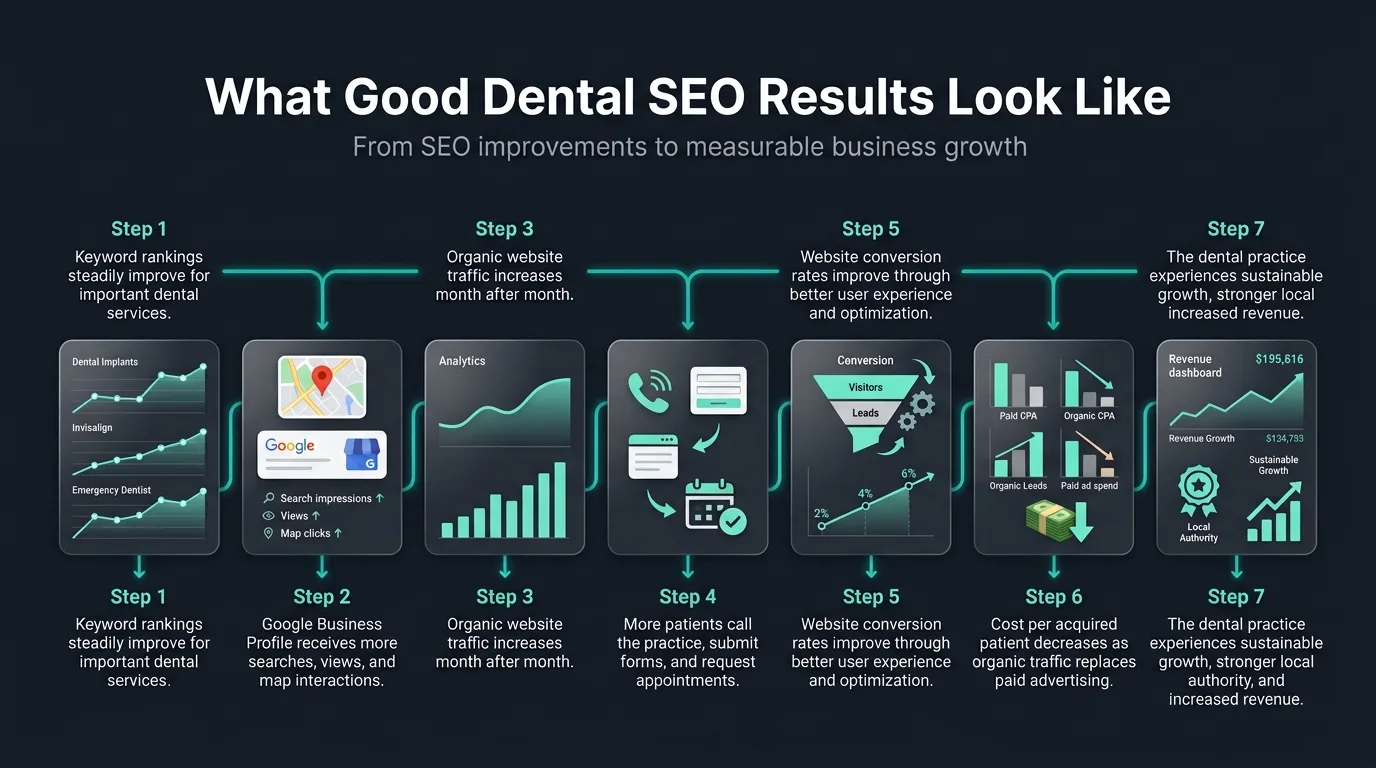 Figure 3: Clean progression charts displaying monthly increase in organic dental case leads.
 Why AI Search Is Changing Dental SEO Forever
Here is something that every dentist and dental practice owner needs to understand right now. Traditional SEO is no longer enough on its own.
Millions of people now search for dentists using AI tools like ChatGPT, Perplexity AI, Google Gemini, and Microsoft Copilot. These tools do not show a list of ten websites. They give one direct answer. If your practice is not mentioned in that answer, you are invisible to those searchers. Review zero click options in our zero-click search guide.
This is why dental SEO experts are now talking about two new strategies called Generative Engine Optimization (GEO) and Answer Engine Optimization (AEO). Learn recommendations in our ChatGPT recommendations guide.
Generative Engine Optimization (GEO): GEO means structuring your website content so that AI tools like ChatGPT and Google Gemini can read it, understand it, and cite it as a trusted source. When someone asks an AI tool "what is the best dental implant practice near me," you want your practice to be the answer the AI gives. Dental SEO agencies that understand GEO help you build content, organize your data, and earn the trust signals that make AI engines recommend your practice by name. Learn target setup in our guide on Generative Engine Optimization for dentists.
Answer Engine Optimization (AEO): AEO means creating content that directly answers the questions your patients are asking. Instead of just targeting keywords, you write clear answers to questions like "how much do dental implants cost" or "what should I look for in a dentist." When your website answers these questions better than anyone else, Google features your content in its AI Overviews. Perplexity AI cites your page as a source. Review AI Overviews in our Google AI Overviews guide.
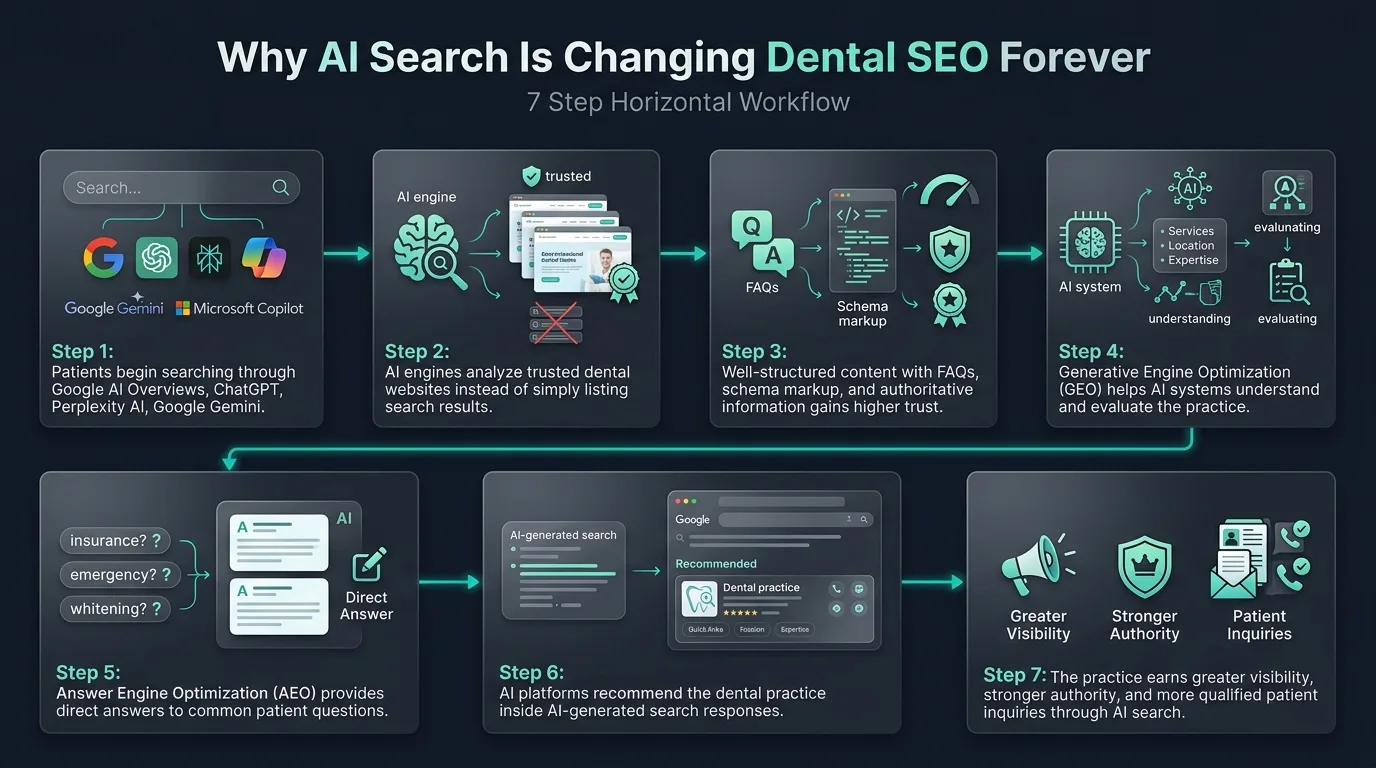 Figure 4: AI answer engines provide single-source clinic citations directly to searching users.
 Getting Your Dental Practice Cited by AI Engines
Being cited by AI is not just about bragging rights. It means your practice shows up when patients ask ChatGPT or Perplexity AI for a dentist recommendation. Here is how it works.
A dental SEO specialist will structure your website data in a format called schema markup. This is special code that tells Google, ChatGPT, and other AI engines exactly what your practice offers, where you are located, what your hours are, and what patients say about you. Review schema in our schema guide.
Your dental website SEO must also include clear and direct content written in plain language. AI engines prefer content that is easy to understand and gets straight to the point. This guide is written that way on purpose. Review schema implementations in our schema implementation guide.
Your practice also needs consistent information across every online directory. Your name, address, and phone number must be the same everywhere. This builds trust with both Google and AI search engines. Review NAP consistency in our NAP consistency guide.
Finally, earning high-quality backlinks from trusted dental websites, local news sources, and health directories tells AI engines that your practice is a verified and credible source. Learn backlinks in our local link building guide.
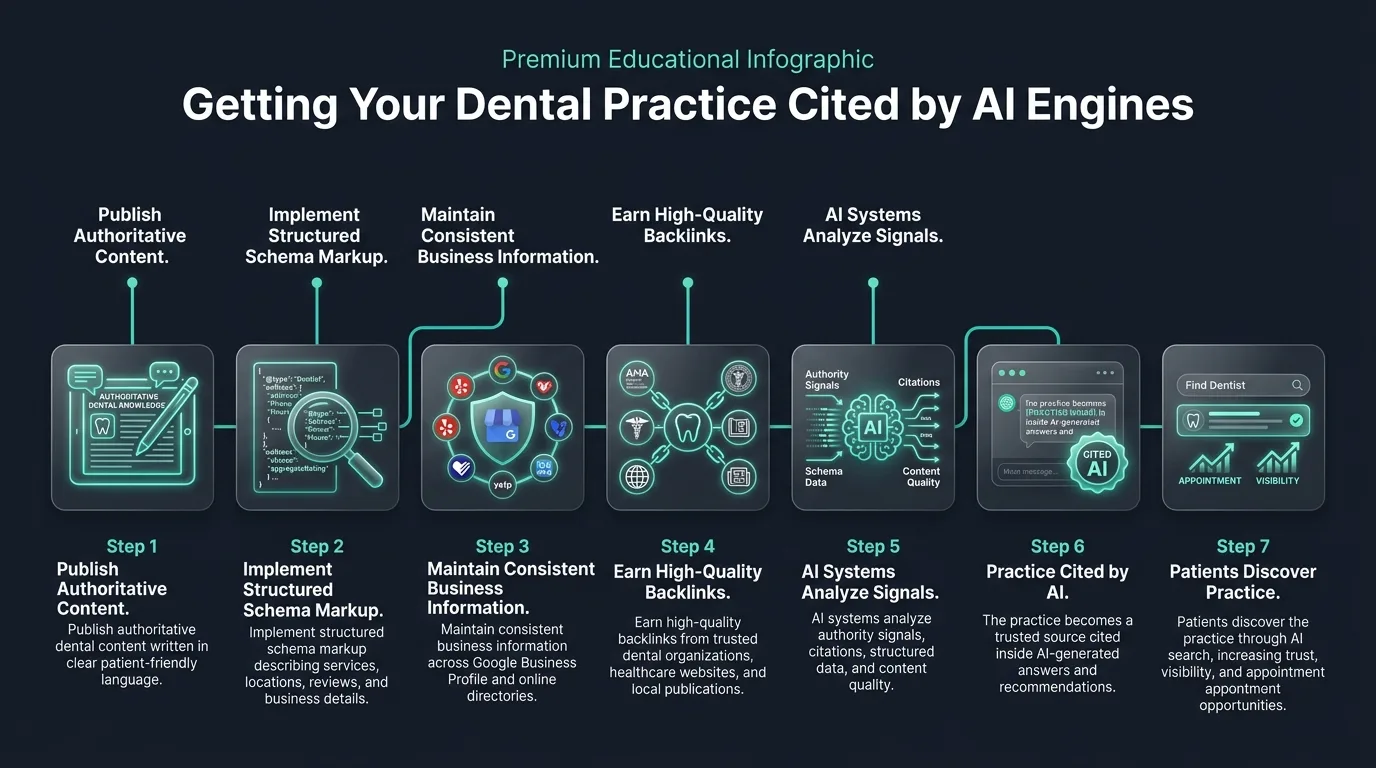 Figure 5: Structured schema data and clinical guest profiles feed recommender bot queries.
 Local SEO for Dentists: The Ongoing Process
Dental local SEO is not something you do once and forget. It requires consistent work every month. Here is what ongoing SEO for dental practices looks like.
Publishing new content that answers patient questions keeps your site fresh and relevant. Responding to Google reviews shows both Google and potential patients that you care. Building new backlinks each month strengthens your domain authority. Monitoring your rankings and adjusting your strategy based on the data keeps you ahead of competitors. Review checklist audits in our dental local SEO checklist.
A dental SEO marketing company that does the work monthly and shows you clear results is worth the investment. Look for a team that tracks collected revenue, not just traffic numbers.
Choosing the Right Dental SEO Agency
Not all dental SEO companies are equal. Here is what to look for when choosing a dental SEO agency or dental SEO expert.
- Clinical Portfolios: They should show you real case studies from dental practices.
- Clear Reporting Access: They should provide a clear marketing dashboard with monthly reporting.
- AEO & GEO Experts: They should understand both traditional SEO and the new world of GEO and AEO.
- Closed Loop Metrics: They should track phone calls, leads, and new patients, not just website clicks. Review speed metrics in our Core Web Vitals guide.
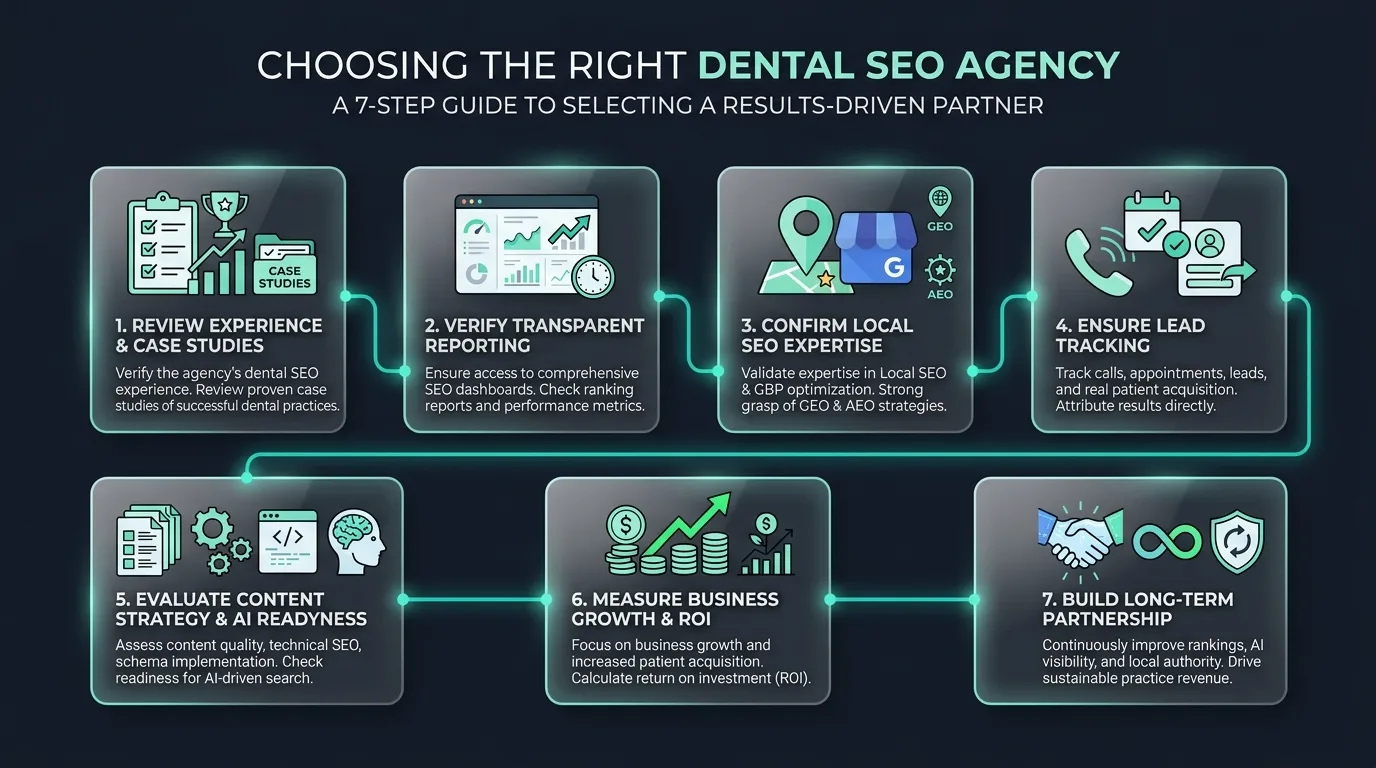 Figure 6: Finding a growth partner that monitors calls and clinic production reports.
Ready to Dominate Local & AI Search?
Navigating the complexity of Local Map Packs, traditional search rankings, and emerging AI engine visibility can be difficult. Schedule a practice growth audit with our dental SEO specialists today. We will analyze your practice listings, audit your competitor strategies, and layout the exact plan needed to capture high-value cases.
Schedule Growth AssessmentFrequently Asked Questions
You should track organic Google Search keyword rankings, Google Business Profile insights (clicks, direction requests, phone calls), monthly website traffic, and collected new patient bookings.
Connect Google Search Console and Google Analytics 4, implement call tracking code to log patient phone call channels, and monitor review count metrics.
A successful campaign shows consistent ranking increases for clinical terms, traffic growth on high-value service pages, a lowering cost-per-lead metric, and higher chair bookings.
Conversational engines like ChatGPT deliver single-answer results. Tracking success must evolve from counting blue link clicks to monitoring citation frequency in AI responses.
By building high-authority local backlinks, maintaining NAP listings consistency, deploying schema markup, and answering patient questions directly in QA format.