Key Takeaways
This blog explains how to use dental SEO to rank every treatment page on your dental website. You will learn why each service needs its own page, how to pick the right dental SEO keywords, and how to build pages that show up on Google. We also cover local SEO for dentists, dental implant marketing, and how AI search engines like ChatGPT and Google Gemini are changing the way patients find dental practices. If you want more new patients and higher search rankings, this guide is for you.
- Individual Treatment Pages: Google favors pages that answer one specific query. Each service requires its own dedicated page.
- Keyword Localization: Choose keywords that integrate your service name with local modifiers and patient intent.
- Google Business Profile Sync: Align your service pages with your GBP primary and secondary categories to boost Local Pack presence.
- Generative Visibility (GEO/AEO): Format content to satisfy conversational queries from AI engines like ChatGPT and Gemini.
- Why Your Dental Website Needs Strong Service Page SEO
- What Is Dental Service Page SEO
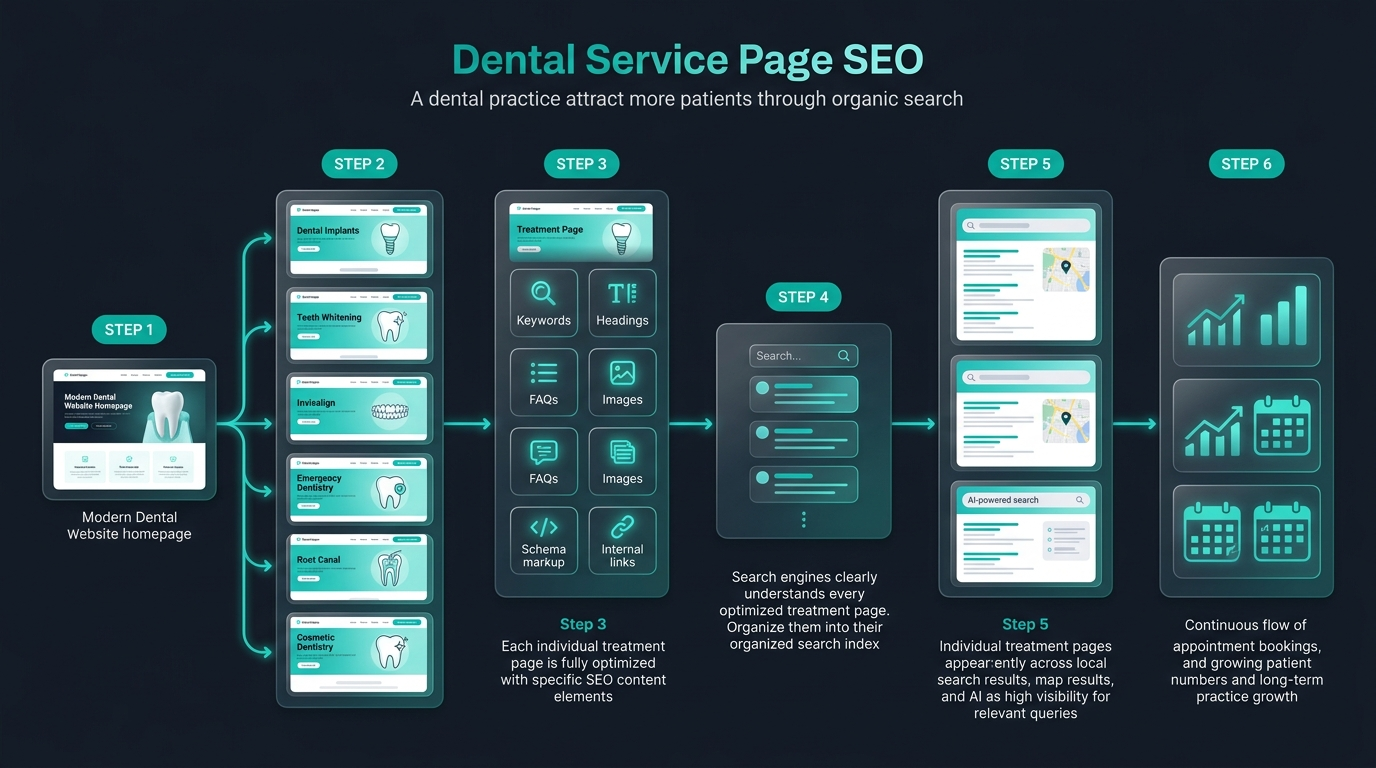
- Every Treatment Needs Its Own Page
- How to Pick the Right Dental SEO Keywords for Each Page
- Local SEO for Dentists: How to Show Up in Your City
- How to Write a Dental Service Page That Ranks
- Dental Implant Marketing: A Case Study in Service Page SEO
- AI Search and Dental SEO: What Is Changing Right Now
- How to Get Your Dental Practice Cited by AI Search Engines
- Website Conversion Optimization for Dental Practices
- Tracking Results: Dental Marketing Analytics and Attribution
- Dental SEO Strategy: Putting It All Together
- Do You Need a Dental SEO Company or Agency?
- Frequently Asked Questions
Why Your Dental Website Needs Strong Service Page SEO
Most dental websites have one problem. They try to put all their services on one page. That does not work anymore.
Google wants to send people to pages that answer one question very well. If someone searches for "dental implants near me," Google looks for a page that talks only about dental implants. Not a page that mentions implants along with cleanings, braces, and whitening all at once.
This is why dental SEO starts with your service pages. Each treatment you offer needs its own page. Each page needs to be built the right way. When you do this correctly, your dental practice shows up when the right patients are searching.
Search engine optimization for dentists is not just about getting traffic. It is about getting the right traffic. Patients who are ready to book. Patients who are searching for the exact treatment you offer.
What Is Dental Service Page SEO
Dental service page SEO means making each treatment page on your website easy for Google to find and easy for patients to read.
It covers things like:
- The words you use on the page.
- The title of the page.
- The questions you answer.
- The location you target.
- The speed of your site.
- The links pointing to your page.
When all of these work together, your dental website ranks higher on Google. More people click your page. More people call your office. More people book appointments.
Dental SEO marketing is not a one time job. It is something you build over time. But when it works, it brings in new patients every single month without paying for ads.
Every Treatment Needs Its Own Page
This is the most important rule in SEO for dentists.
One page per treatment.
Here is why. When someone types "teeth whitening dentist" into Google, they want a page about teeth whitening. Not a general services page. A Google search algorithm is smart enough to know the difference.
If you have one big page that says "We offer cleanings, implants, Invisalign, crowns, and whitening," Google does not know which keyword to rank that page for. So it ranks it for nothing.
But if you have a page called "Teeth Whitening in [Your City]" and the whole page talks about teeth whitening, Google knows exactly what to do with it.
The same goes for:
- Dental implants: Dental implant marketing is one of the biggest opportunities in dental practice SEO right now. Implants are high value. Patients search for them. If you have a strong implant page, you can attract some of your best patients from search alone.
- Invisalign or clear aligners: Create targeted content to rank against generic orthodontic searches and leverage Invisalign vs braces comparison layouts.
- Cosmetic dentistry: Target visual searches and showcase cosmetic treatments.
- Emergency dental care: Target patients seeking immediate treatment near them, building local pages to rank for emergency dentist near me searches.
- Pediatric dentistry: Optimize for family and children's dentistry keywords.
- Dentures: Build authority on restorative options.
- Root canals: Address pain queries and alleviate patient anxiety.
- Crowns and bridges: Optimize for common tooth restoration keywords.
Each one gets its own page. Each one gets its own SEO strategy.
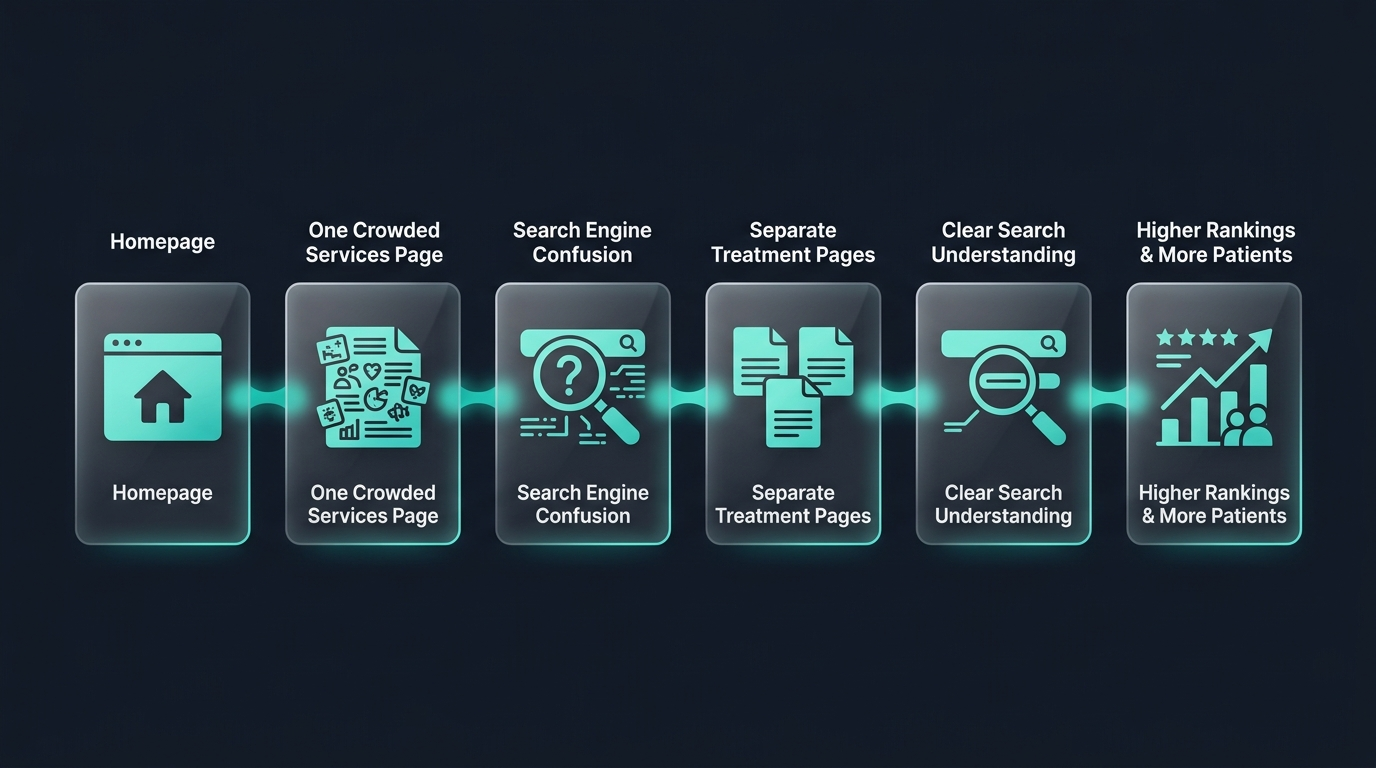 Figure 1: Creating unique service pages for each procedure allows search engines to map patient queries accurately.
 How to Pick the Right Dental SEO Keywords for Each Page
Keywords are the words people type into Google. Your job is to figure out what your patients are typing and then use those words on your pages.
For dental SEO, the best keywords usually include:
- The treatment name.
- The city or area.
- Words like "near me," "cost," "dentist," or "best."
For example:
- "Dental implants in [City]"
- "Best cosmetic dentist [City]"
- "Emergency dentist near me"
- "Teeth whitening cost [City]"
- "Invisalign dentist [City]"
These are called local SEO keywords. They connect your practice to people searching in your area. Local SEO for dentists is one of the most effective ways to get new patients because people who search this way are already looking for someone close by.
When doing dental SEO keyword research, look for words that have a decent number of searches but are not too hard to rank for. Long specific phrases (such as geo-modifier keywords) are often easier to rank than short general ones.
"Affordable dental implants in Houston" is easier to rank for than just "dental implants."
Use your keywords in:
- The page title.
- The first paragraph.
- The headings.
- The image descriptions.
- The page URL.
- The meta description.
Do not stuff keywords everywhere. Use them where they feel natural. Google is smart enough to understand the search intent without seeing the same word 50 times.
Local SEO for Dentists: How to Show Up in Your City
Local SEO for dentists means making sure your practice shows up when people nearby search for dental care.
There are a few things that matter most for local dental SEO.
- Your Google Business Profile: This is the listing that shows up on the map when people search for a dentist near them. It needs to be fully filled out with your address, phone number, hours, services, photos, and reviews. See our complete GBP setup guide.
- NAP Consistency: Your name, address, and phone number must be the same everywhere online. On your website. On your Google profile. On Yelp. On health directories. If they do not match, Google gets confused and your rankings drop. This is what we call NAP consistency, and you must resolve any listing issues using our guide to fix inconsistent citations.
- Online Reviews: Dental SEO and reputation management go hand in hand. The more five star reviews you have, the higher you tend to rank in local search results and the Google Map Pack. More importantly, reviews help new patients trust you before they even call.
- Location Pages: If you serve more than one city or neighborhood, you may want pages for each location. This is how multi location dental practices and dental service organizations use local SEO to grow across multiple areas (often with local landing pages).
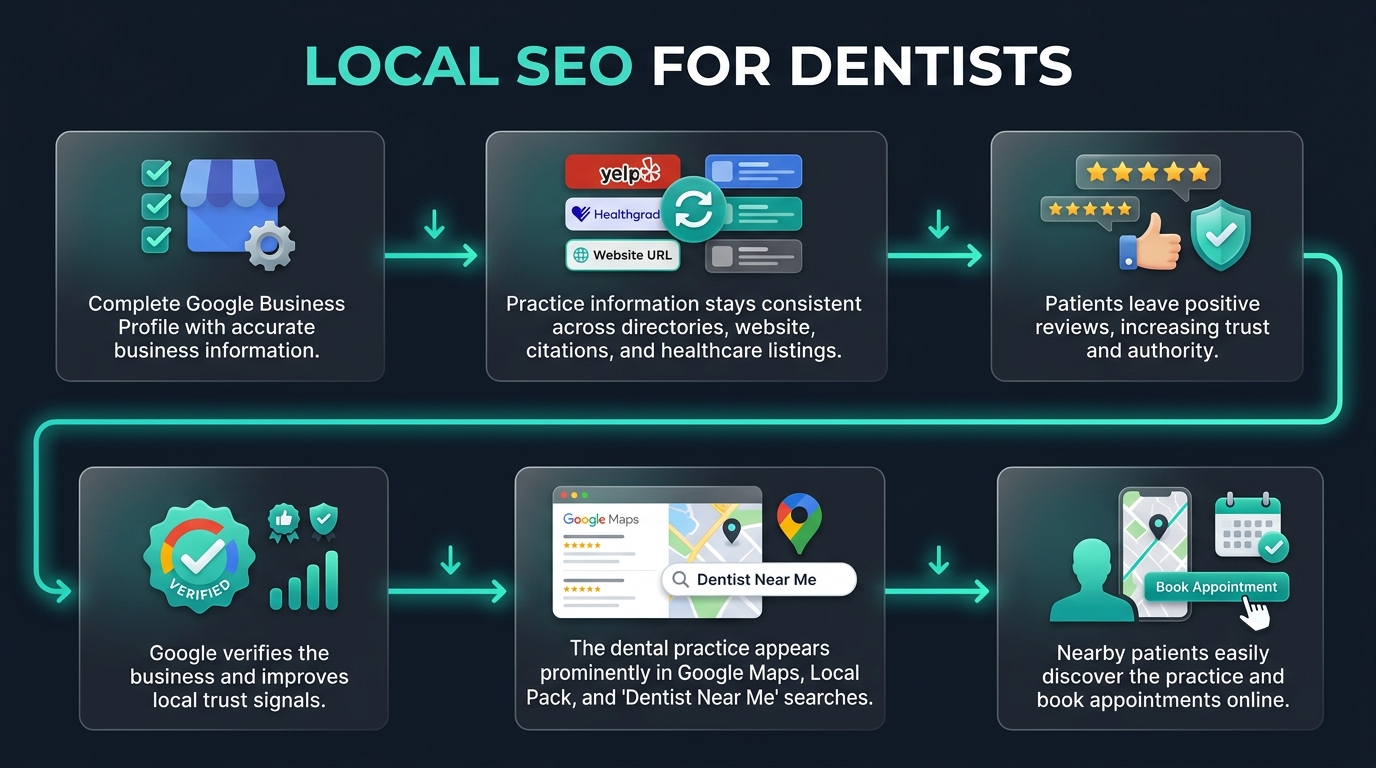 Figure 2: Syncing your Google Business Profile with location pages is vital to capture local search intent.
 How to Write a Dental Service Page That Ranks
Now let us talk about what actually goes on the page.
A good dental SEO service page has these parts.
- A clear headline with your keyword: Something like "Dental Implants in Dallas" or "Cosmetic Dentist in Phoenix."
- A short intro: That explains what the service is and who it is for. Write this like you are talking to a patient, not a doctor.
- Answers to common questions: What does it cost? Does it hurt? How long does it take? Am I a candidate? These questions matter for both patients and for SEO.
- Practice highlights: A section about your practice and why patients should choose you. What makes your dental practice different?
- Photos: Real photos of your office, your team, and ideally before and after results. Dental photography makes pages feel real and trustworthy.
- A clear call to action: Tell people to call, book online, or request a free consultation.
- Patient testimonials: Patient testimonials or reviews on the page itself.
When you answer the questions patients are already asking, your page does better on Google. This is called semantic SEO. Google does not just look for keywords. It looks at whether your page truly answers the topic.
Dental Implant Marketing: A Case Study in Service Page SEO
Dental implant marketing deserves its own section because implants are one of the highest value treatments in dentistry.
Patients who need implants spend a lot of time researching online before they decide. They compare costs. They look at different dentists. They read reviews. They watch videos. They visit multiple websites.
This means your implant page needs to do a lot of work.
It needs to explain what implants are in simple language. It needs to answer questions about cost, the process, and recovery. It needs to show why your practice is the right choice. It needs to have strong reviews and real patient stories. It needs to be easy to read on a phone.
For dental implant SEO, you should also think about implant funnels. A funnel is a path you create for patients who are interested but not quite ready to book. You might use a free guide, a video, or a consultation offer to bring them closer to saying yes.
Dental implant marketing combined with strong SEO is one of the best ways to grow practice revenue without relying on insurance.
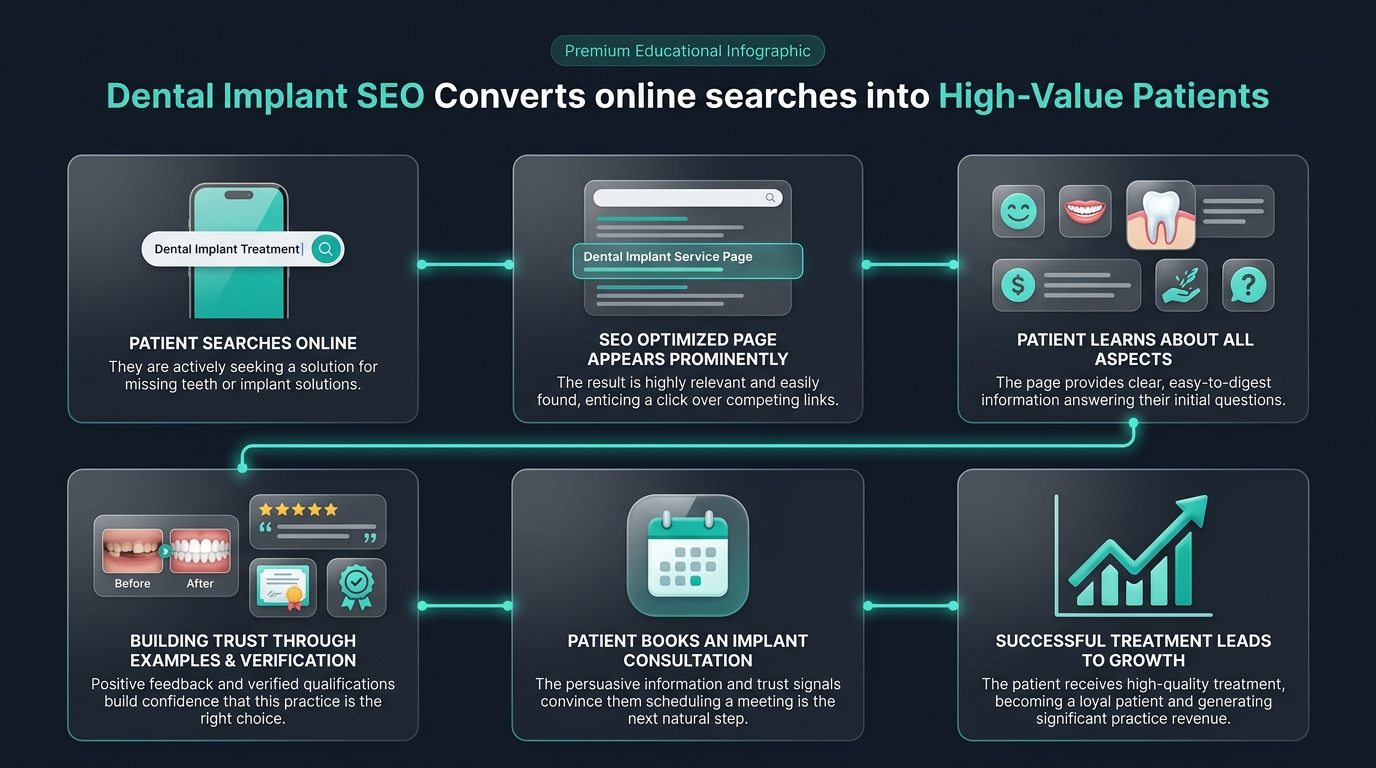 Figure 3: Optimizing dental implant pages helps attract high-value restorative cases organically.
 AI Search and Dental SEO: What Is Changing Right Now
Here is something that most dental marketing companies are not talking about yet.
Google is no longer the only place patients search.
More and more people are using AI tools to ask questions. ChatGPT. Perplexity AI. Google Gemini. Microsoft Copilot. SearchGPT.
Instead of typing "dental implants near me," patients are now asking things like "What is the best way to replace a missing tooth?" or "How much do dental implants cost and are they worth it?"
These AI tools pull answers from websites they trust. If your dental website is built the right way, your practice can be one of the sources that AI tools cite. That means your name, your answer, and sometimes even your website link shows up inside the AI answer itself.
This is called Generative Engine Optimization, also known as GEO. And it is the future of dental SEO.
There is also something called Answer Engine Optimization, or AEO. This means writing your content so it directly answers the questions patients are asking. Not just for Google. But for every AI tool that is now pulling answers from the web.
Traditional SEO alone is no longer enough. If you are only focused on ranking on Google the old way, you are going to fall behind. The practices that grow the fastest will be the ones that show up both on Google and inside AI answers.
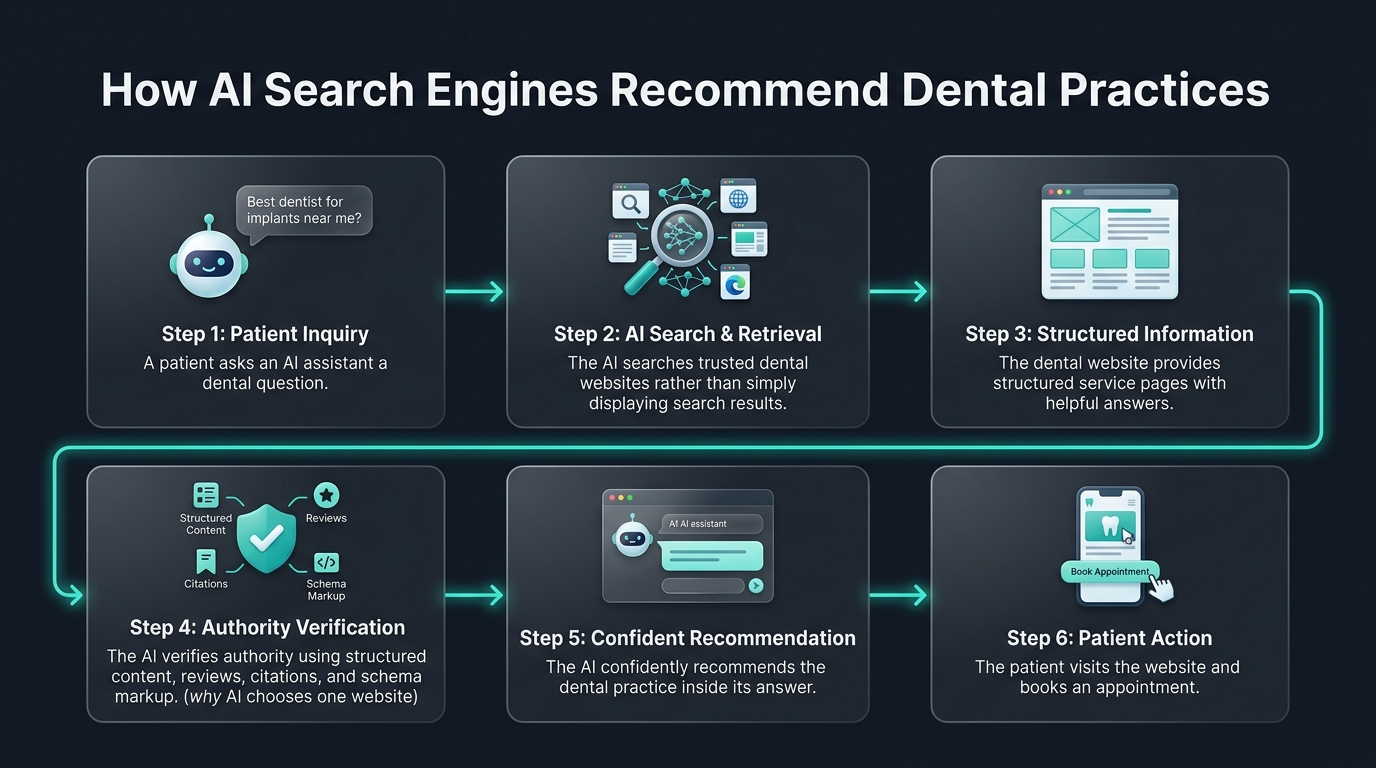 Figure 4: AEO and GEO models allow practices to rank inside conversational AI output boxes.
 How to Get Your Dental Practice Cited by AI Search Engines
To get cited by ChatGPT, Perplexity AI, Google Gemini, and other AI tools, your content needs to be structured the right way.
Here is what that means in practice.
- Write clear answers to real patient questions: AI tools love content that answers a question directly in the first one or two sentences. Do not bury the answer. This is essential for a zero-click strategy.
- Use structured headings: Break your content into sections with clear headings. This helps both Google and AI tools understand what each part of your page covers.
- Use schema markup: This is code that you add to your website that tells search engines exactly what your page is about. There is schema for dental services, reviews, locations, and FAQs (follow our schema implementation guide and add FAQ schema markup).
- Build trust signals: AI tools favor content from sources that have real reviews, real credentials, real patient stories, and accurate business info. Establish authority using E-E-A-T principles.
- Keep information up to date: AI tools pull from what they consider reliable sources. If your site has old information or errors, it will not be trusted.
- Get mentioned on other websites: When reputable sites link to you, AI models treat them as endorsements. This is a core target of local link building for dentists.
This is how dental SEO strategy now needs to include both traditional search engine optimization and AI visibility. One without the other leaves money on the table.
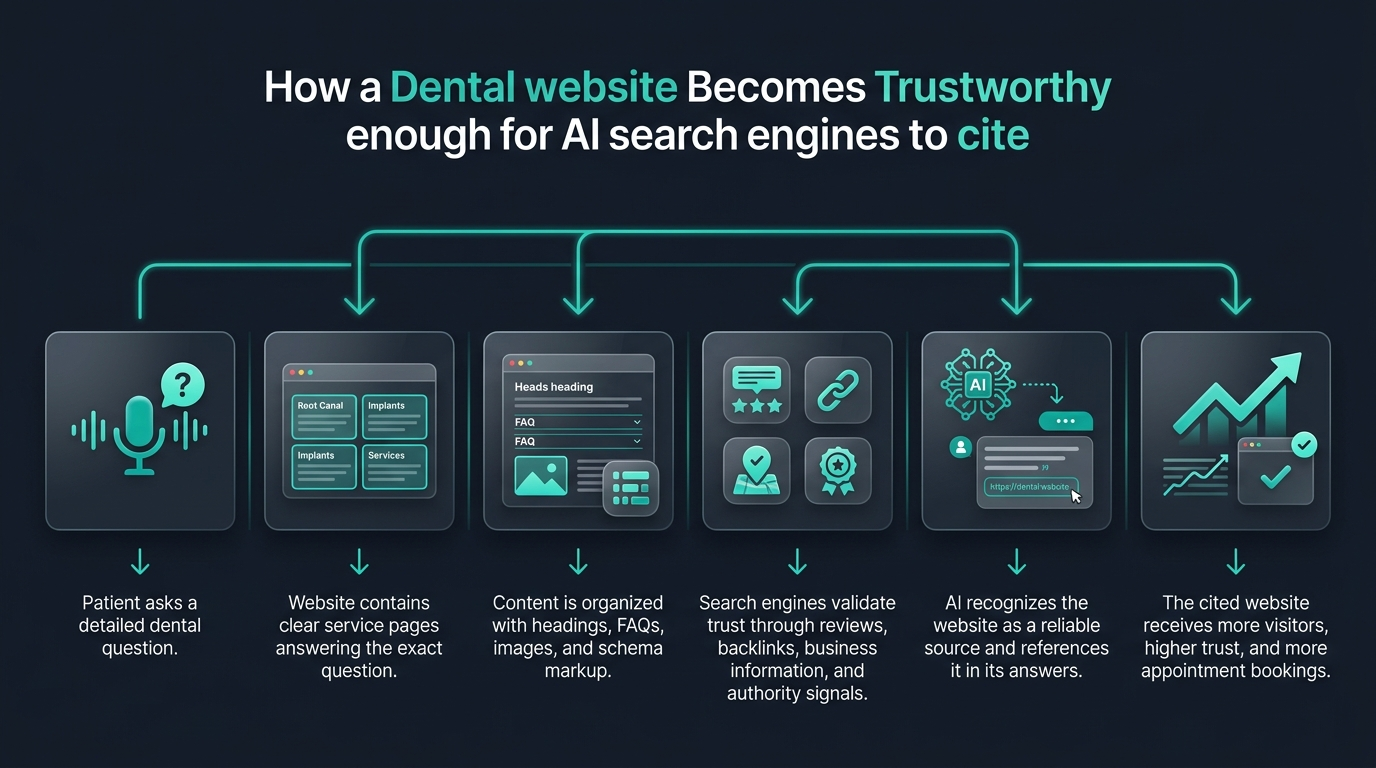 Figure 5: Structured schema and citation links directly affect how conversational search agents recommend your clinic.
 Website Conversion Optimization for Dental Practices
Getting traffic to your page is only half the job. The other half is turning that traffic into actual patients.
Website conversion rate optimization means making sure your website is built to get people to take action.
This includes things like:
- A phone number that is easy to find on every page.
- Online booking that works on phones.
- Fast loading pages.
- Clear calls to action on every service page.
- A simple and professional design that builds trust.
- Live chat or text options for patients who prefer not to call.
Dental website design plays a huge role here. A great looking website that loads fast (complying with page speed and Core Web Vitals standards) and is easy to use will convert more visitors into patients than an old or cluttered website.
Tracking Results: Dental Marketing Analytics and Attribution
How do you know if your dental SEO is working?
You track it.
Good dental SEO services include regular reporting on things like:
- How many people visited your service pages.
- Where those visitors came from.
- How many called or booked from the page.
- Which keywords are driving traffic.
- How your Google rankings have changed.
Marketing analytics for dental practices should also track which patients came from organic search versus paid ads versus referrals. This is called marketing attribution. When you know where your best patients are coming from, you can invest more in what is working by configuring call tracking systems.
If your dental marketing company cannot tell you clearly where your new patients are coming from, that is a problem.
Dental SEO Strategy: Putting It All Together
Here is a simple way to think about your dental SEO strategy.
Start with your most important services. Write a strong individual page for each one. Use local SEO keywords that include your city. Answer the questions patients are asking. Make sure your Google Business Profile is complete and active. Build up your online reviews. Structure your content so AI tools can find it and cite it. Track your results every month and keep improving.
This is not a one week project. Dental SEO takes time to build. Most practices start seeing real results within three to six months. But once your rankings climb, they tend to stick. And the patients keep coming in month after month without paying for every click.
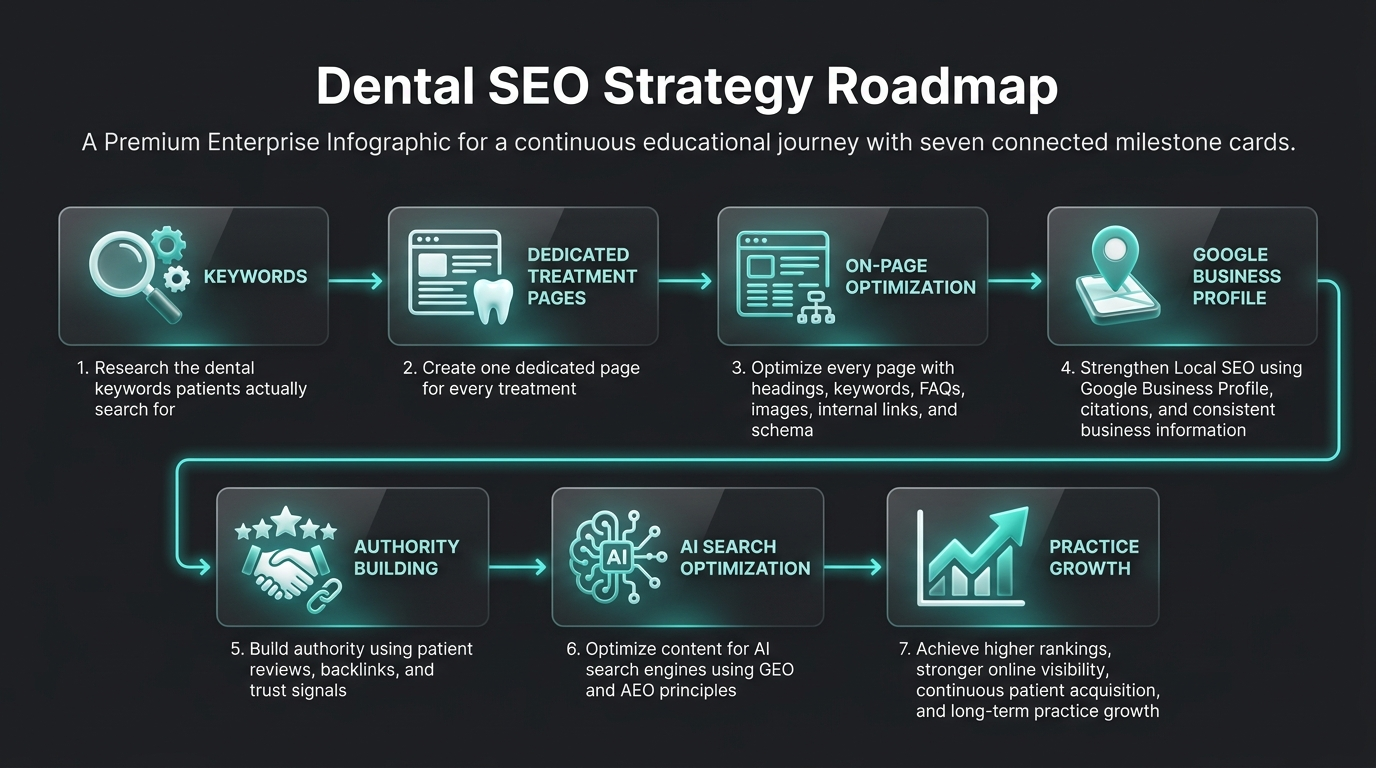 Figure 6: A continuous optimization loop keeps rankings stable and drives predictable new patients.
 Do You Need a Dental SEO Company or Agency?
Many dental practices try to handle SEO on their own. Some succeed. But most find that dental SEO is too technical and too time consuming to manage while also running a practice.
A good dental SEO agency or dental SEO company will handle everything from keyword research to page writing to technical fixes to link building to local search setup.
When looking for the best dental SEO company, ask them:
- How many dental clients do they work with?
- Can they show you case studies or results?
- Do they include local SEO and Google Business Profile management?
- Do they stay current with AI search trends and GEO?
- What does their reporting look like?
The best dental SEO services will be transparent, proactive, and focused on one thing: getting you more patients.
Final Thoughts
Dental service page SEO is one of the most powerful tools a dental practice has for growing its patient base.
Every treatment deserves its own page. Every page deserves real content that answers patient questions. And every dental practice deserves to be found by the patients who need them most.
The world of search is changing fast. Google is still important, but AI tools are now part of how patients find dental care. The dental practices that adapt now will be the ones that lead in the years ahead.
If your dental website is not bringing in new patients consistently, the answer is almost always better SEO. Better pages. Better content. Better local signals. And now, better AI visibility.
Start with one page. Make it great. Then do the next one. That is how you build a dental practice that grows from search.

Ready to Dominate Local & AI Search?
Navigating the complexity of Local Map Packs, traditional search rankings, and emerging AI engine visibility can be difficult. Schedule a practice growth audit with our dental SEO specialists today. We will analyze your practice listings, audit your competitor strategies, and layout the exact plan needed to capture high-value cases.
Schedule Growth Assessment