Key Takeaways
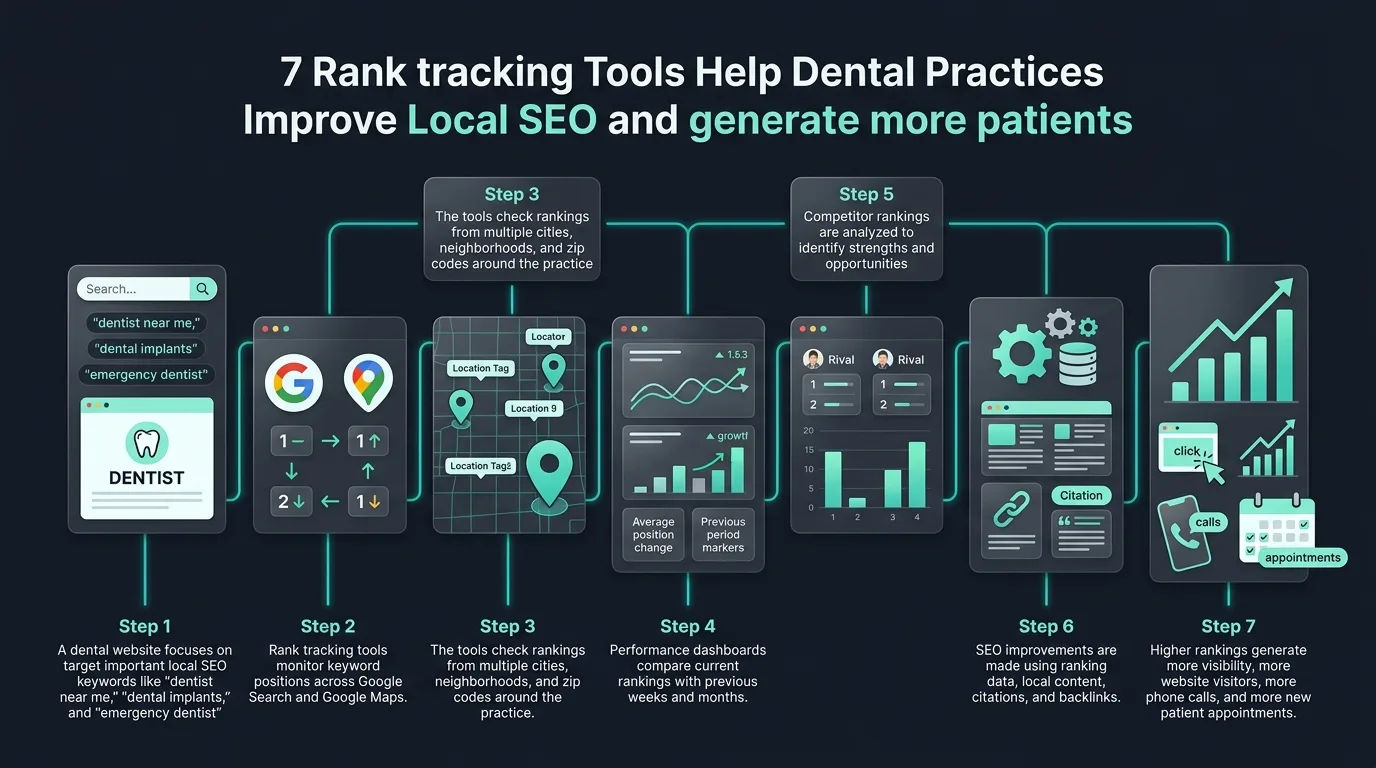
Rank tracking tools show dental practices exactly where they stand in Google search results. Without them, you are guessing whether your dental SEO is working. This blog covers the most important rank tracking tools for local SEO for dentists, explains what to measure and why, and shows you how AI search engines like ChatGPT and Google Gemini are changing what it means to rank online. If you want your dental practice to grow through search, this guide gives you a clear starting point.
- Geo-Grid Checking: Map Map Pack rankings at multiple coordinate pins around the clinic.
- Competitor Analysis: Compare keyword ranks against competing practices in the area.
- Citation Syncer: Manage directory consistency to avoid confusing search crawler bots.
- Generative Citations: Track clinic brand presence in AI-generated answers.
- Why Rank Tracking Matters for Dental SEO
- What Makes Local Rank Tracking Different for Dentists
- The Most Important Rank Tracking Tools for Dental Practices
- What to Track With Rank Tracking Tools
- How Rank Tracking Connects to New Patient Growth
- Why Traditional SEO and Rank Tracking Are Not the Whole Story Anymore
- Building a Rank Tracking Routine for Your Dental Practice
- Final Thoughts
- Frequently Asked Questions
Why Rank Tracking Matters for Dental SEO
Rank tracking is the process of monitoring where your dental website appears in Google search results for specific keywords. If you invest in dental SEO marketing but never check your rankings, you have no way of knowing whether your investment is producing results.
For dentists, rankings determine visibility. When a patient searches for "dental implants near me" or "emergency dentist in my city," Google decides which practices show up first. The practices at the top get the most clicks, the most calls, and the most new patients. Rank tracking tools tell you where you stand and whether you are moving in the right direction. Review core metrics in our local SEO KPIs guide.
Every dental SEO expert, dental SEO consultant, and dental SEO specialist uses rank tracking as a core part of their monthly reporting. It is how they prove that their dental SEO strategy is working and identify where to focus next. Learn tracking setups in our GA4 setup guide.
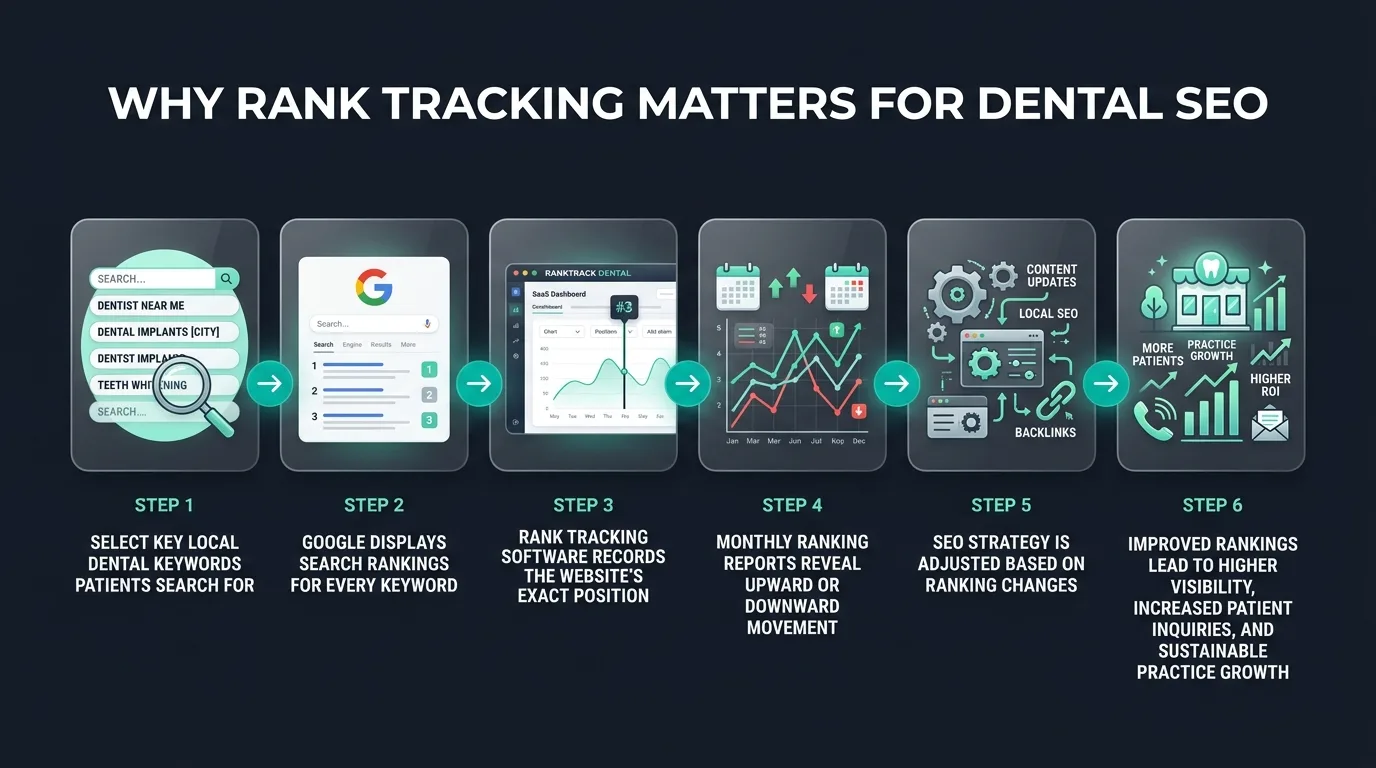 Figure 1: Consistent position reporting demonstrates keyword visibility progress.
 What Makes Local Rank Tracking Different for Dentists
Standard rank tracking shows you where your website ranks nationally or globally. Local rank tracking is different. It shows you where your dental website ranks in specific cities, neighborhoods, and zip codes.
This distinction is critical for local SEO for dentists. A patient searching for a dentist from one part of your city may see completely different results than a patient searching from a neighborhood three miles away. Your Google Maps ranking in your immediate area may be strong while your visibility in nearby suburbs is weak. Review listings setup in our GBP setup guide.
Local rank tracking tools account for this by checking your rankings from multiple geographic points around your practice location. This gives your dental local SEO marketing company a detailed map of where your practice is visible and where it needs more work.
Without local rank tracking, your dental SEO strategies are based on incomplete information. With it, you can target content, citations, and backlinks toward the specific areas where your practice needs to grow. Learn general tracking methods in our main tracking results guide.
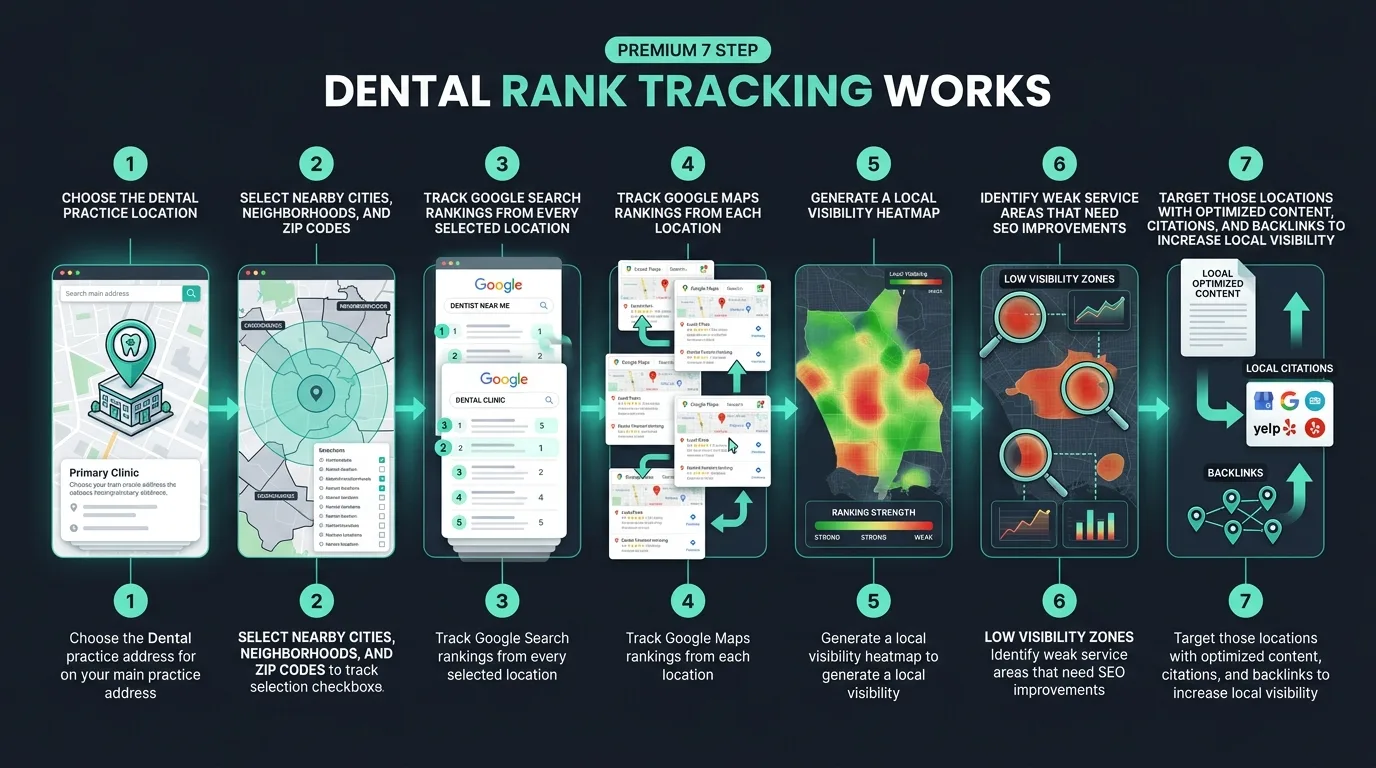 Figure 2: Pinpoint tracking checks Map Pack presence at various local distance radii.
 The Most Important Rank Tracking Tools for Dental Practices
Here are the main tools that dental SEO agencies and dental SEO marketing experts use to track local search rankings for dental practices.
- BrightLocal: BrightLocal is one of the most widely used tools for local SEO for dentists. It tracks your Google Maps rankings across multiple locations and zip codes, monitors your Google Business Profile performance, and tracks citation consistency across online directories. It also includes reputation features to monitor Google Reviews. Review lists in our Google Business Profile guide.
- SEMrush: SEMrush is a comprehensive SEO tool that dental SEO companies and dental SEO agencies use for keyword research, rank tracking, backlink analysis, and competitive research. The local rank tracking feature lets you monitor rankings by city or zip code, which is essential for SEO for dental offices with specific service areas. Learn dental term targeting in our dental keywords guide.
- Whitespark: Whitespark is a local SEO tool built specifically for tracking Google Maps and local pack rankings. It checks your Google Maps position from multiple points around your practice and shows you a heat map of your local search visibility. A dental SEO specialist using Whitespark can build a very targeted local content and citation strategy.
- Moz Local: Moz Local focuses on citation management and local ranking data. For dental clinic SEO, keeping your practice information consistent across directories is one of the most important local SEO factors. Moz Local scans directories and identifies inconsistent information. Review directory listing tips in our citations guide.
- Google Search Console: Google Search Console is free and it is the most direct source of ranking data available. It shows your average position for every keyword your dental website appears for, your total impressions, and your click through rates. Review configurations in our Search Console guide.
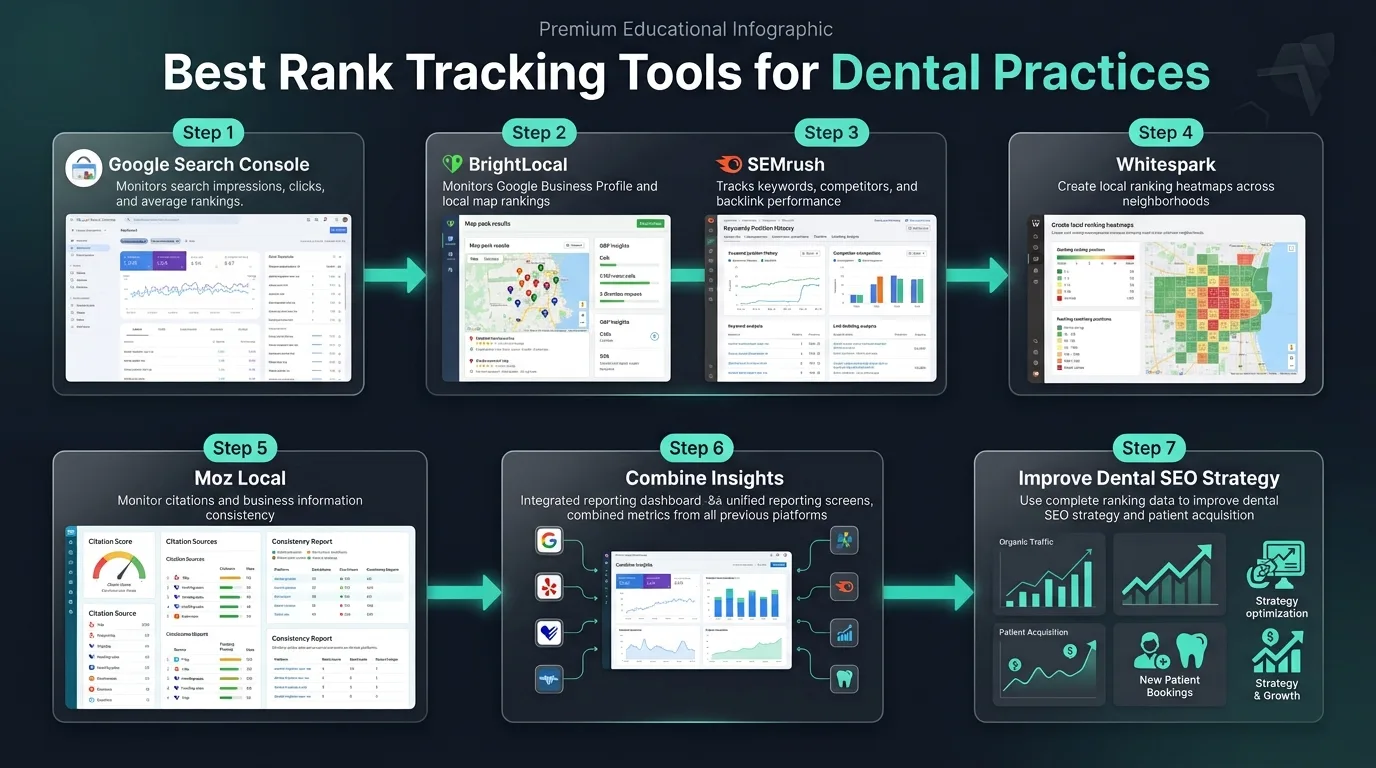 Figure 3: Selected diagnostic software provides geographic ranking metrics.
 What to Track With Rank Tracking Tools
Knowing which tools to use is only part of the picture. You also need to know what to track. Here are the most important ranking data points for dental SEO marketing.
Google Maps Rankings Across Multiple Zip Codes: Track your Google Maps position for your most important service keywords from at least five to ten points around your practice. This shows you how visible your practice is to patients searching from different locations in your area.
Organic Search Rankings for Core Dental SEO Keywords: Track your position for high-value terms like "dentist in your city," "dental implants near me," "teeth whitening in your area," and "emergency dentist near me." These are the keywords that bring in high-value patients looking for specific treatments. Review implant options in our implants page guide.
Competitor Rankings: Your rank tracking tools should also show you where your main competitors rank for the same keywords. If a competing dental practice is outranking you for "dental implants" in a key part of your city, your dental SEO agency needs to know that and respond.
Ranking Trends Over Time: Single data points do not tell you much. Ranking trends over three to six months show you whether your dental SEO marketing is producing consistent progress. A dental SEO marketing service that shows you upward trending graphs over time is delivering real results. Review listings NAP consistency in our NAP consistency guide.
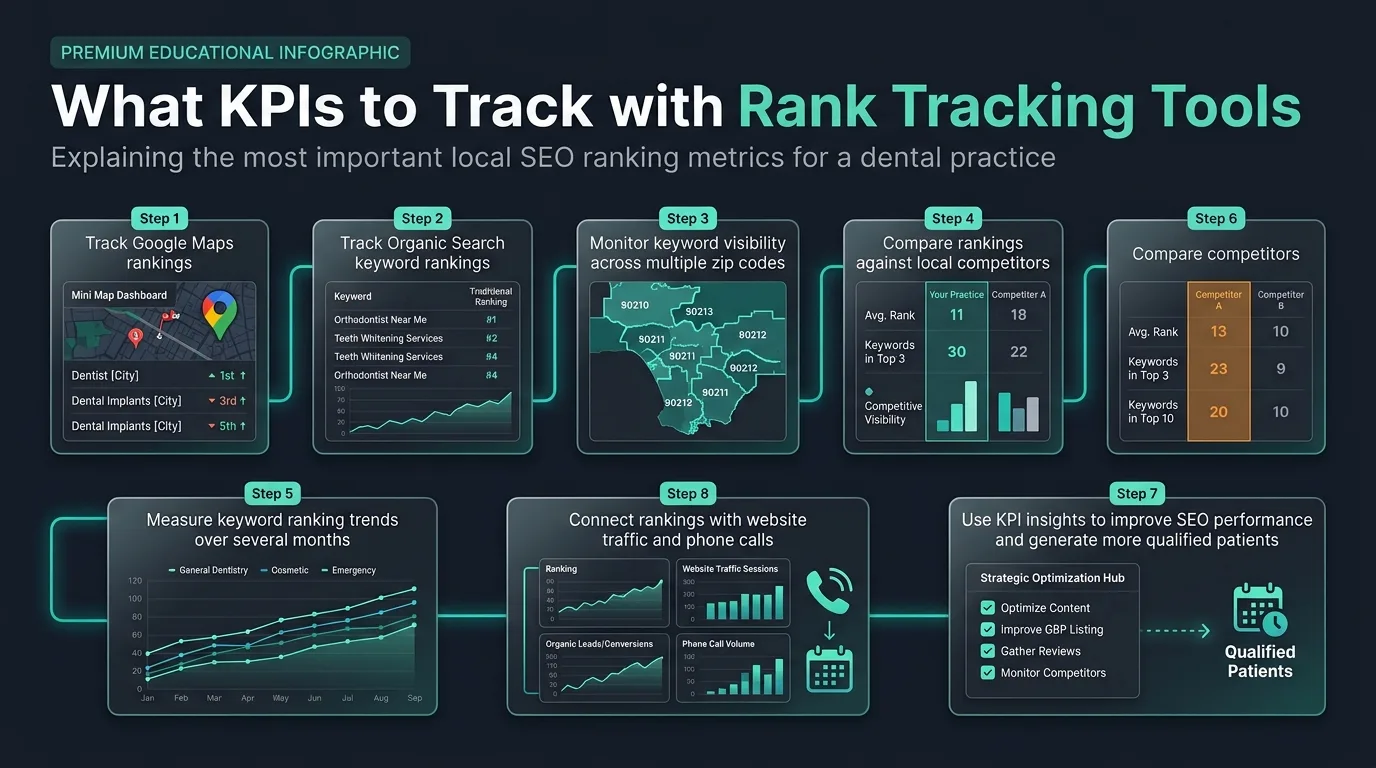 Figure 4: Tracking targeted service queries helps trace organic position variations.
 How Rank Tracking Connects to New Patient Growth
Rank tracking data becomes most valuable when it connects to real practice outcomes. A higher ranking for a high-intent keyword means more patients see your practice when they are ready to book. More visibility leads to more website visits. More website visits lead to more phone calls and form submissions. More calls and forms lead to more new patients.
Your dental SEO agency should connect your rank tracking data to your conversion data from GA4 and your call tracking data so you can see the full picture. When a keyword ranking improves, does organic traffic from that keyword go up? When organic traffic goes up, do new patient leads increase? This chain of connected data is how the best dental SEO companies demonstrate real return on investment. Review call recording setups in our call tracking guide.
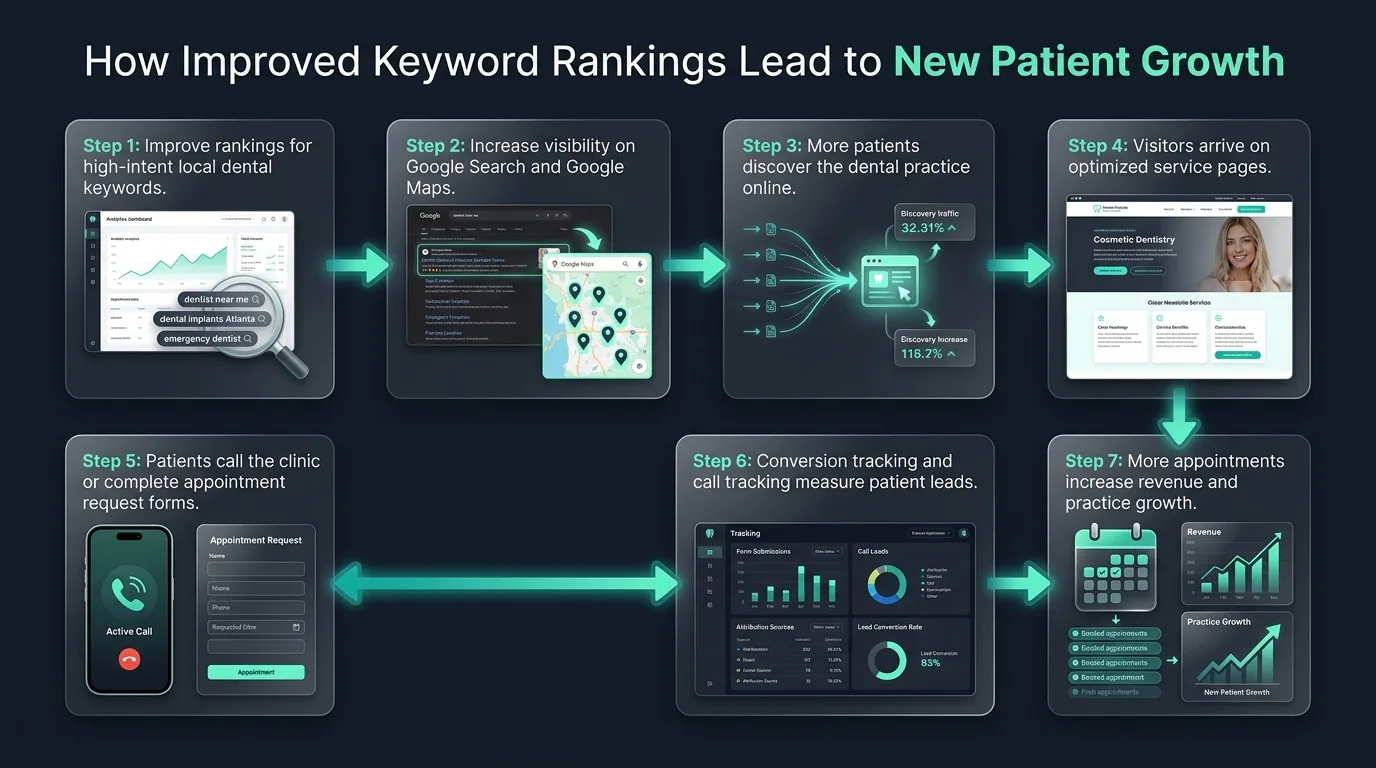 Figure 5: High ranks filter through page sessions to yield new clinical patient actions.
 Why Traditional SEO and Rank Tracking Are Not the Whole Story Anymore
Here is something every dentist and practice owner needs to hear directly. Traditional rank tracking in Google search is still important, but it is no longer the only thing that matters for dental practice growth.
Patients are now using ChatGPT, Perplexity AI, Google Gemini, Microsoft Copilot, and SearchGPT to find dental practices. These AI tools do not show a ranked list of ten websites. They give one direct answer. There is no position one through ten in an AI-generated response. There is only mentioned or not mentioned. Review zero-click visibility in our zero-click search guide.
Traditional SEO alone cannot get you mentioned in these AI tools. That requires two newer strategies called Generative Engine Optimization (GEO) and Answer Engine Optimization (AEO). Every dental SEO strategy must now include both. Review recommenders in our ChatGPT recommendations guide.
Generative Engine Optimization (GEO): GEO means structuring your dental website data, content, and business information so that AI engines recognize your practice as a trustworthy and verified source. A dental SEO agency that understands GEO uses schema markup, consistent citations, authoritative content, and strong backlink profiles to earn citations in AI-generated answers. When someone asks ChatGPT to recommend a dental implant specialist in your city, GEO is what gets your practice name into that response. Review schema details in our schema guide.
Answer Engine Optimization (AEO): AEO means creating content that directly and clearly answers the questions patients ask AI tools. When a patient asks Perplexity AI "how much do dental implants cost" or asks ChatGPT "what should I look for in a cosmetic dentist," your dental website needs to have the clearest and most direct answer available. AI engines pull from content that is well-structured, factually accurate, and written in plain language. AEO means your dental SEO and digital marketing content is built to win those citations. Learn AI setups in our guide on Generative Engine Optimization for dentists.
The best dental SEO companies are already tracking AI visibility alongside traditional keyword rankings. As AI search continues to grow, practices that invest in GEO and AEO now will have a major advantage over competitors that are only focused on traditional Google rankings. Review Google AI Overviews in our Google AI Overviews guide.
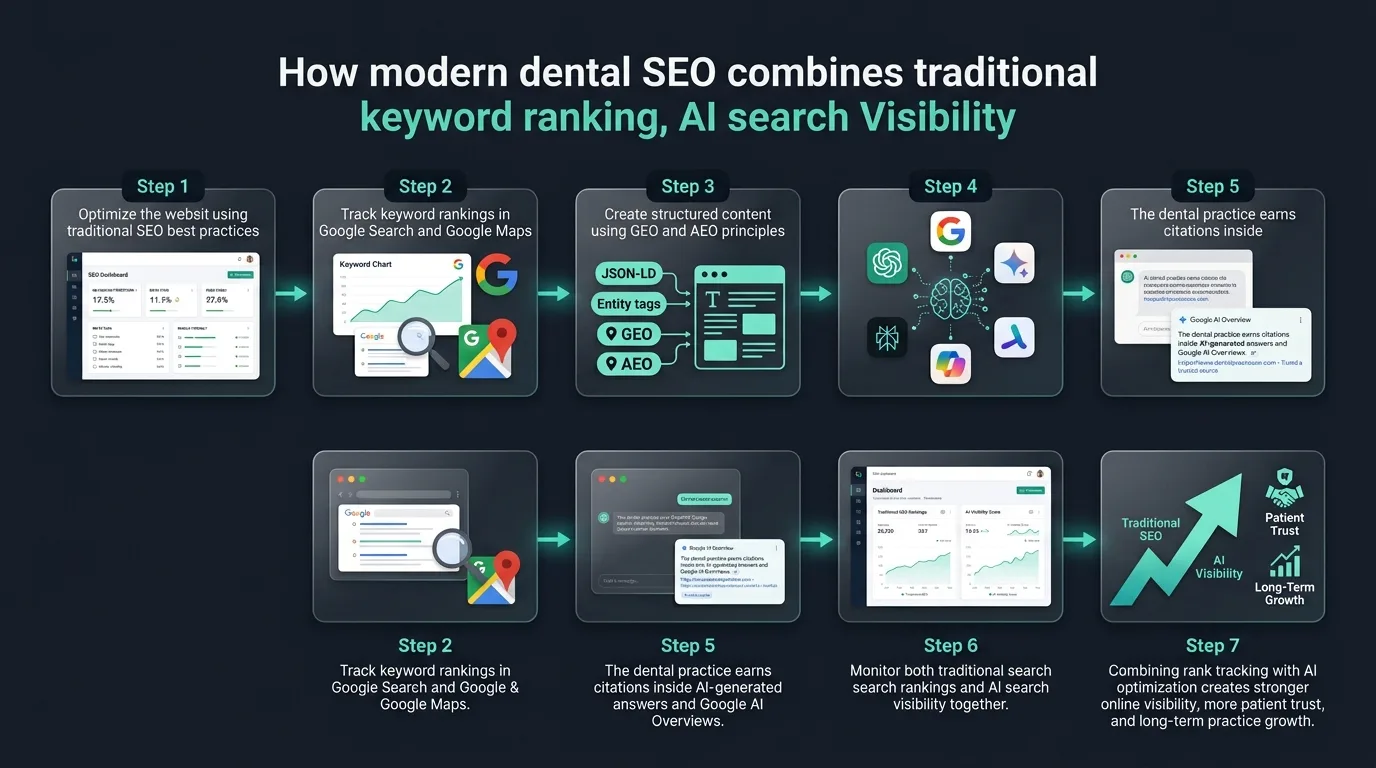 Figure 6: Organic trust scores drive visibility in both traditional SERPs and AI answers.
 Building a Rank Tracking Routine for Your Dental Practice
Establishing a structured schedule is key to catching position drops early.
- Maps Visibility Audit: Check your Google Maps rankings across your target zip codes at the start of each month. Review layout speeds in our mobile SEO guide.
- Organic Keyword Review: Review your organic keyword rankings in your primary rank tracking tool and note any significant changes. Review schema implementation in our schema implementation guide.
- Competitor Benchmark: Check competitor rankings for your top five keywords. Review structural coding in our technical SEO guide.
- Trending Graph Audit: Look at your ranking trends over the past three months to see whether your dental SEO strategy is producing consistent growth. Review link profiles in our local link building guide.
- AI Visibility Check: Add a quarterly AI visibility check. Ask your specialist to test how your practice appears when key questions are asked in ChatGPT, Perplexity AI, and Google Gemini. Review FAQ schema markup in our FAQ schema guide.
- Agency Reporting Sync: Share all of this data with your dental SEO marketing company so they can adjust their approach. Review checklists in our dental local SEO checklist.

Ready to Dominate Local & AI Search?
Navigating the complexity of Local Map Packs, traditional search rankings, and emerging AI engine visibility can be difficult. Schedule a practice growth audit with our dental SEO specialists today. We will analyze your practice listings, audit your competitor strategies, and layout the exact plan needed to capture high-value cases.
Schedule Growth AssessmentFrequently Asked Questions
Local tracking tracks rankings across zip codes and neighborhoods rather than broad national boundaries, reflecting localized Map Pack placements.
It checks local pack heat maps, validates directory consistency, and helps monitor reviews across Google Business Profile integrations.
It exposes competitors ranking for high-intent keywords, allowing agencies to refine page speed or schema strategy to outrank them.
Whitespark offers hyper-local geo-grid tracking for Google Maps, while SEMrush focuses on traditional keyword research and organic links auditing.
AI engines provide direct answers rather than list links. SEO success is measured by citations and brand mentions across conversational databases.