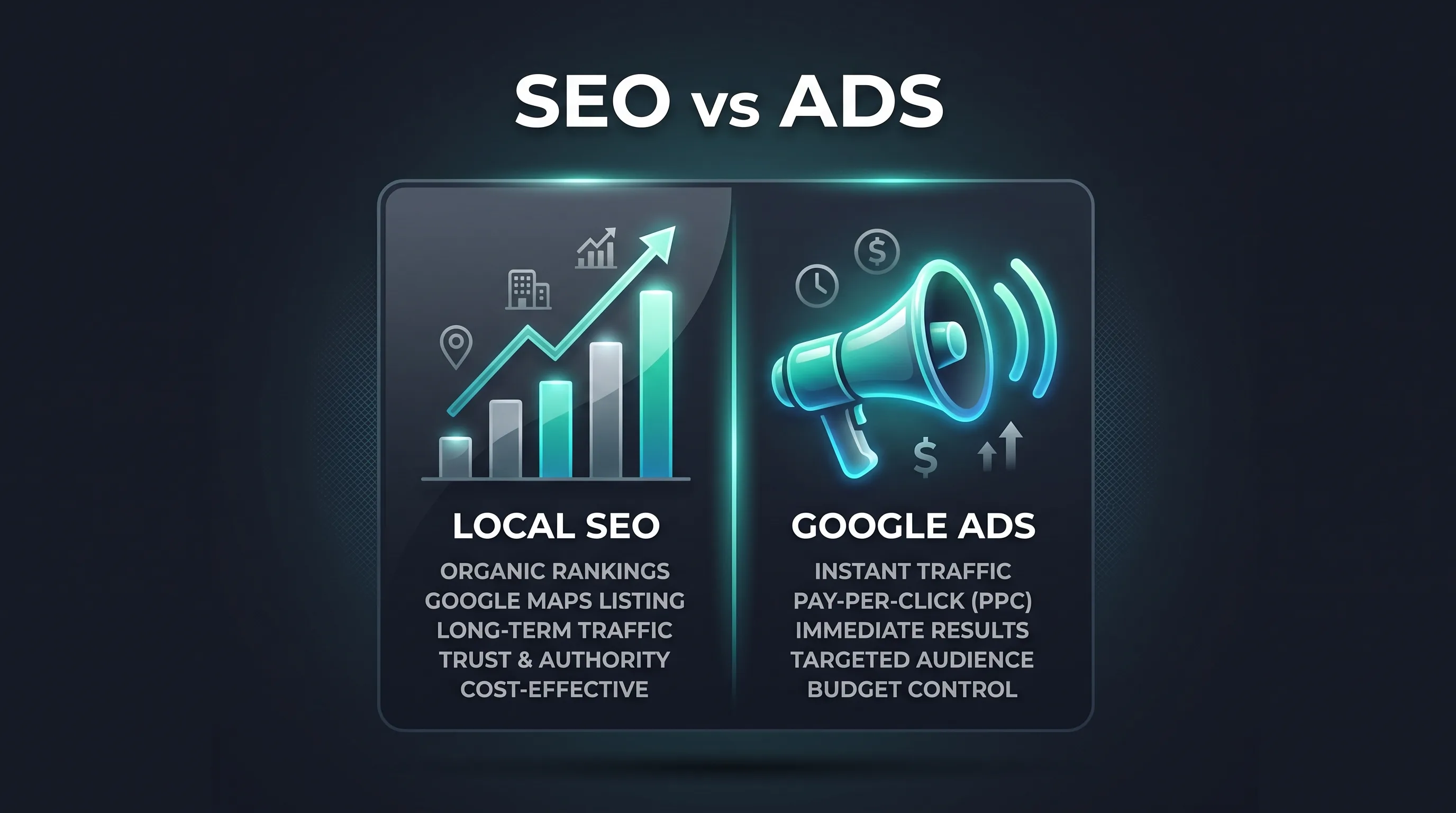
Key Takeaways
Every dental practice has a limited marketing budget and needs to spend it wisely. Two of the most powerful digital marketing channels available to dentists are local SEO and Google Ads. Both bring in new patients. Both show up in Google search results. But they work differently, cost differently, and produce results on different timelines. This guide compares local SEO and Google Ads for dentists in plain terms so you can make the smartest decision for your practice right now.
- Timeline Differences: Google Ads delivers immediate visibility, whereas local SEO builds long-term organic equity.
- Cost Efficiency: Paid ads require ongoing spend per click, while organic rankings generate free leads once established.
- Perfect Harmony: Combining both channels bridges the gap between short-term bookings and long-term search dominance.
- AI Search Landscape: Integrating GEO and AEO guarantees visibility in voice searches and conversational AI engines.
- What Local SEO and Google Ads Actually Do for a Dental Practice
- How Local Dental SEO Works and What It Costs
- How Google Ads Works for Dental Practices and What It Costs
- Return on Investment: Local SEO vs Google Ads for Dentists
- When to Prioritize Local Dental SEO
- When to Prioritize Google Ads for Dentists
- How to Use Local SEO and Google Ads Together for Maximum Growth
- AI Search Is Now a Third Channel You Cannot Ignore
- Final Thoughts: The Right Answer Is Usually Both
- Frequently Asked Questions
What Local SEO and Google Ads Actually Do for a Dental Practice
Local SEO for dentists is the process of earning your way to the top of Google search results without paying for each click. When someone searches for a dentist in your area and your practice appears in the Google Maps local pack or in the organic results below the ads, that visibility came from your dental SEO work. You did not pay Google directly for that click. You earned it through your Google Business Profile, your dental website SEO, your online reviews, your citations, and your content.
Google Ads, also called dental PPC or pay per click advertising, is the process of paying Google to show your practice at the top of search results immediately. You create an ad, choose your target dental SEO keywords, set a budget, and your ad appears above the organic results every time someone in your area searches for those terms. You pay each time someone clicks on your ad.
Both channels appear on the same search results page. Both can send new patient leads to your dental website. The difference is in the cost (refer to our guide on dental local SEO cost), the timeline, the longevity of results, and the return on investment over time.
How Local Dental SEO Works and What It Costs
Dental search engine optimization is a long term investment. It takes time to build. For a new dental practice or a practice starting from scratch with no online presence, meaningful local search rankings typically begin appearing within three to six months and continue to strengthen over the following year and beyond. Learn how to build local visibility from scratch, configuring GBP setup for a new practice, building citations with no search history, collecting first reviews for a new dental practice, and using a website SEO checklist.
The cost of dental SEO marketing comes in the form of agency fees or in house time rather than per click payments. You pay a dental SEO company or dental SEO agency a monthly fee to manage your Google Business Profile, build citations, optimize your dental website, generate reviews, create content, and build backlinks. This investment builds compounding value over time.
The key advantage of local dental SEO is that once you earn a strong ranking, it does not disappear the moment you stop paying. An organic search ranking earned through months of dental search engine optimization continues to generate clicks and new patient leads even if you reduce your SEO spending. The value accumulates rather than evaporating.
The cost per new patient lead from dental SEO tends to decrease over time as your rankings strengthen and your website traffic grows. In the early months, your cost per lead may be high because results are still building. After six to twelve months of consistent dental local SEO marketing, many practices see a significantly lower cost per lead than they achieve through paid advertising.
 Figure 1: Organic ranking strategies grow compounding assets and decrease cost per lead over time.
 How Google Ads Works for Dental Practices and What It Costs
Google Ads for dentists works immediately. You set up your campaign, choose your target keywords (refer to our guide on near me keywords and geo modifier keywords) and target location, write your ad copy, set your daily budget, and your ad starts appearing in search results the same day. There is no waiting for rankings to build. If someone in your area searches for a dentist right now and your ad is live, it can appear at the top of the page.
The cost of Google Ads is measured in cost per click. For dental keywords, cost per click is typically higher than in many other industries because dental patients have high lifetime value and practices are willing to compete aggressively for them. Competitive dental SEO keywords like dental implants and cosmetic dentistry can carry significant per click costs in major markets.
The total cost of Google Ads depends on your daily budget and how many people click on your ads. If you stop paying, your ads stop showing and your leads stop coming immediately. Unlike dental SEO, Google Ads does not build any lasting value. Every lead you get from paid advertising is tied directly to continued spending.
The advantage of Google Ads is speed. For a new dental practice that needs patients immediately, waiting six months for SEO to produce results is not practical. Google Ads fills that gap and delivers new patient leads from the first week.
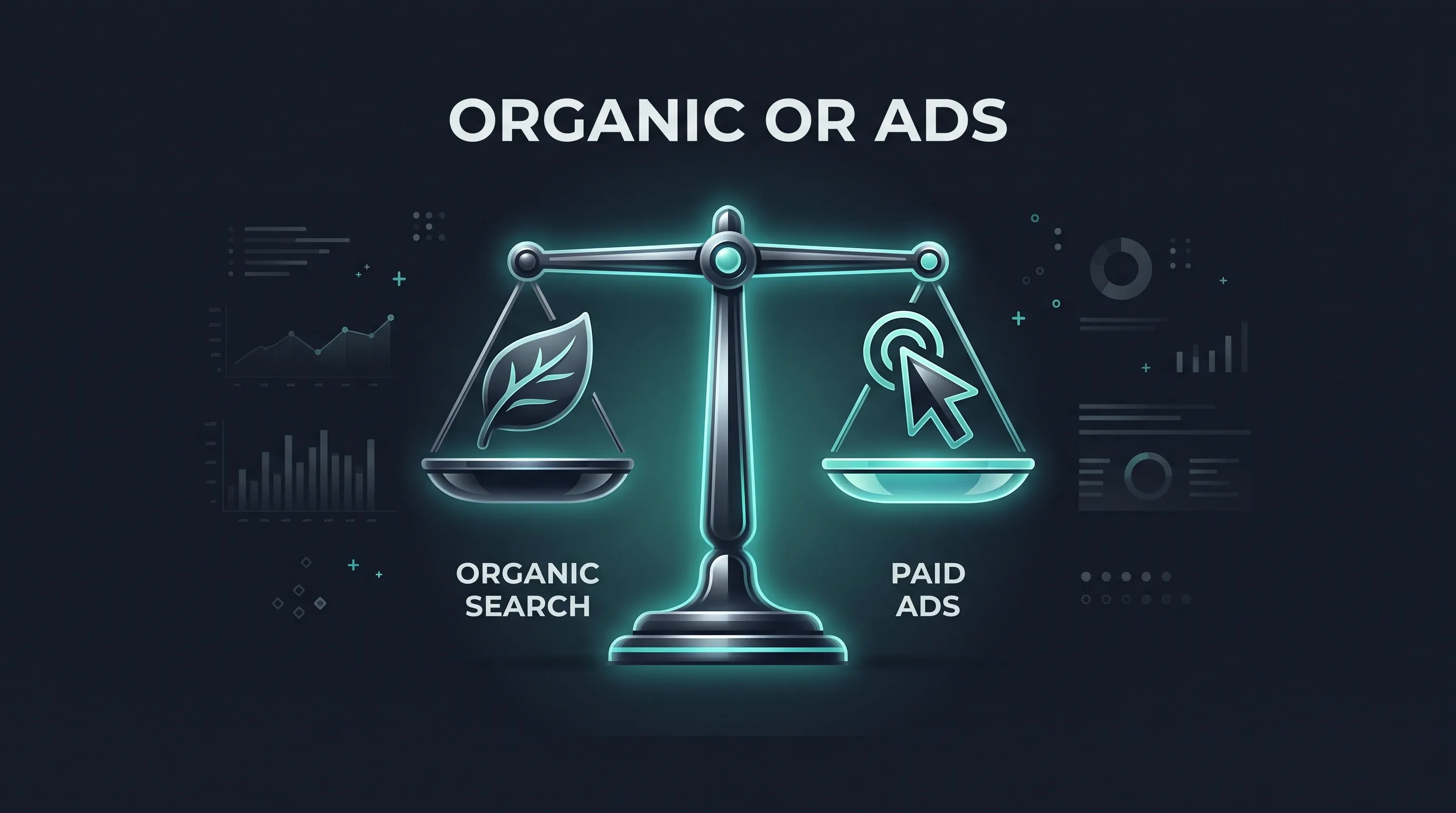 Figure 2: Google Ads campaigns offer instant page-one presence but require constant ad spend.
 Return on Investment: Local SEO vs Google Ads for Dentists
Comparing the return on investment of dental SEO and Google Ads requires looking at both the short term and the long term.
In the short term, Google Ads typically produces faster results and gives you more immediate control over lead volume. If you want more new patients next month, you increase your Google Ads budget. If you want fewer leads because your schedule is full, you reduce it. This flexibility is valuable for growing practices managing their capacity.
In the medium to long term, dental local SEO marketing typically produces a stronger return on investment. Once your rankings are established, the cost per new patient lead from organic search is lower than from paid advertising, and the leads continue coming even when your marketing investment levels off.
The practices with the strongest growth and the best marketing economics are the ones that use both channels strategically. Google Ads brings in patients immediately and covers the period while your dental SEO is building. Local SEO builds lasting organic visibility that reduces your dependence on paid advertising over time. Together, they create a more stable and scalable new patient acquisition system than either channel can provide alone. Learn more about local SEO for new dental practices.
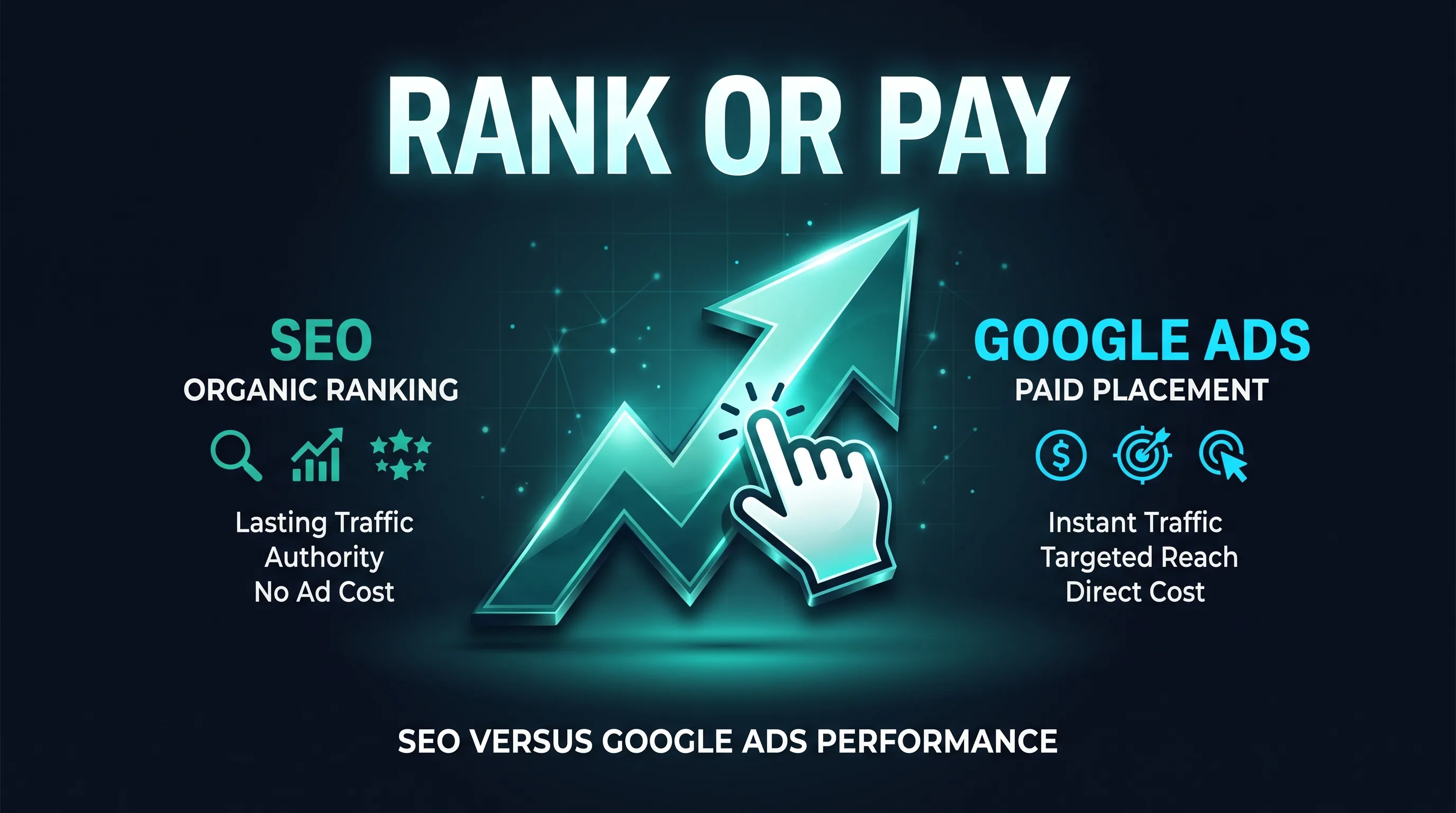 Figure 3: Correlating the short-term conversion velocity of paid ads with the long-term margin benefits of organic SEO.
 When to Prioritize Local Dental SEO
Local SEO for dentists should be your primary long term investment in most situations. Here is when it makes sense to prioritize dental SEO marketing over paid advertising:
- Older practices starting late: If your practice is more than six months old and you have not yet invested in dental search engine optimization, starting now is the right move. Every month you wait is a month your competitors are building stronger local search rankings while yours stay flat.
- High cost-per-click markets: If you are in a market where Google Ads costs are very high, dental SEO becomes even more attractive relative to paid advertising. In highly competitive markets for dental implants (see dental implants cost page SEO), cosmetic dentistry (such as teeth whitening and veneers), or orthodontics (review our orthodontist SEO page), the cost per click from Google Ads can be very significant. The same budget applied to dental local SEO marketing may produce more leads at a lower cost over a twelve to twenty four month horizon.
- Long-term asset growth: If you want a marketing strategy that builds long term value and reduces your cost per patient acquisition over time, dental SEO is the right foundation. Practices that invest in dental search engine optimization consistently over several years build a competitive advantage in local search that becomes very difficult for competitors to overcome.
 Figure 4: Prioritizing local SEO creates stable organic pipelines that outlast individual campaign cycles.
 When to Prioritize Google Ads for Dentists
Google Ads is the right choice when you need new patients fast and cannot wait for dental SEO to build. Here are the situations where paid advertising should take priority:
- New practice launches: If you just opened a new dental practice and need patients immediately, Google Ads is the fastest way to get your phone ringing. Running paid ads while your dental local SEO is building ensures your schedule does not sit empty during the critical first months.
- High-value specialized treatments: If you want to promote a specific high value service like dental implants or full arch cases with a time sensitive offer, Google Ads allows you to target exactly the right search queries and control exactly when and where your ad appears. This level of precision and speed is not achievable with dental SEO alone.
- Acquiring an existing practice: If you are acquiring a dental practice and need to quickly establish a patient base in a market where the previous owner had no online presence, Google Ads provides immediate visibility while your dental SEO foundation is being built from scratch.
How to Use Local SEO and Google Ads Together for Maximum Growth
The smartest dental marketing strategy uses both local SEO and Google Ads together rather than choosing one over the other. Here is how to think about combining them effectively.
Use Google Ads as your immediate patient acquisition tool and dental SEO as your long term equity builder. Run ads for your highest value services, particularly dental implants, cosmetic dentistry, and new patient specials, while simultaneously investing in your Google Business Profile (refer to our GBP setup guide), your dental website SEO, your citations (and maintaining NAP consistency), and your review generation.
As your local dental SEO strengthens and your organic rankings improve, you can reduce your reliance on Google Ads for the keyword areas where you now rank organically. This frees up budget that can be redirected to more competitive keywords or to other marketing channels.
Use the data from your Google Ads campaigns to inform your dental SEO keyword strategy. The keywords that convert best in your paid campaigns are often the same keywords that will deliver the strongest results when you rank for them organically. Your dental SEO and paid advertising should be sharing data and informing each other continuously. Track these results via seo reporting and consolidate metrics through DSO SEO reporting. You should also ensure you build citations correctly by reviewing the best dental directories and verifying how to fix inconsistent citations.
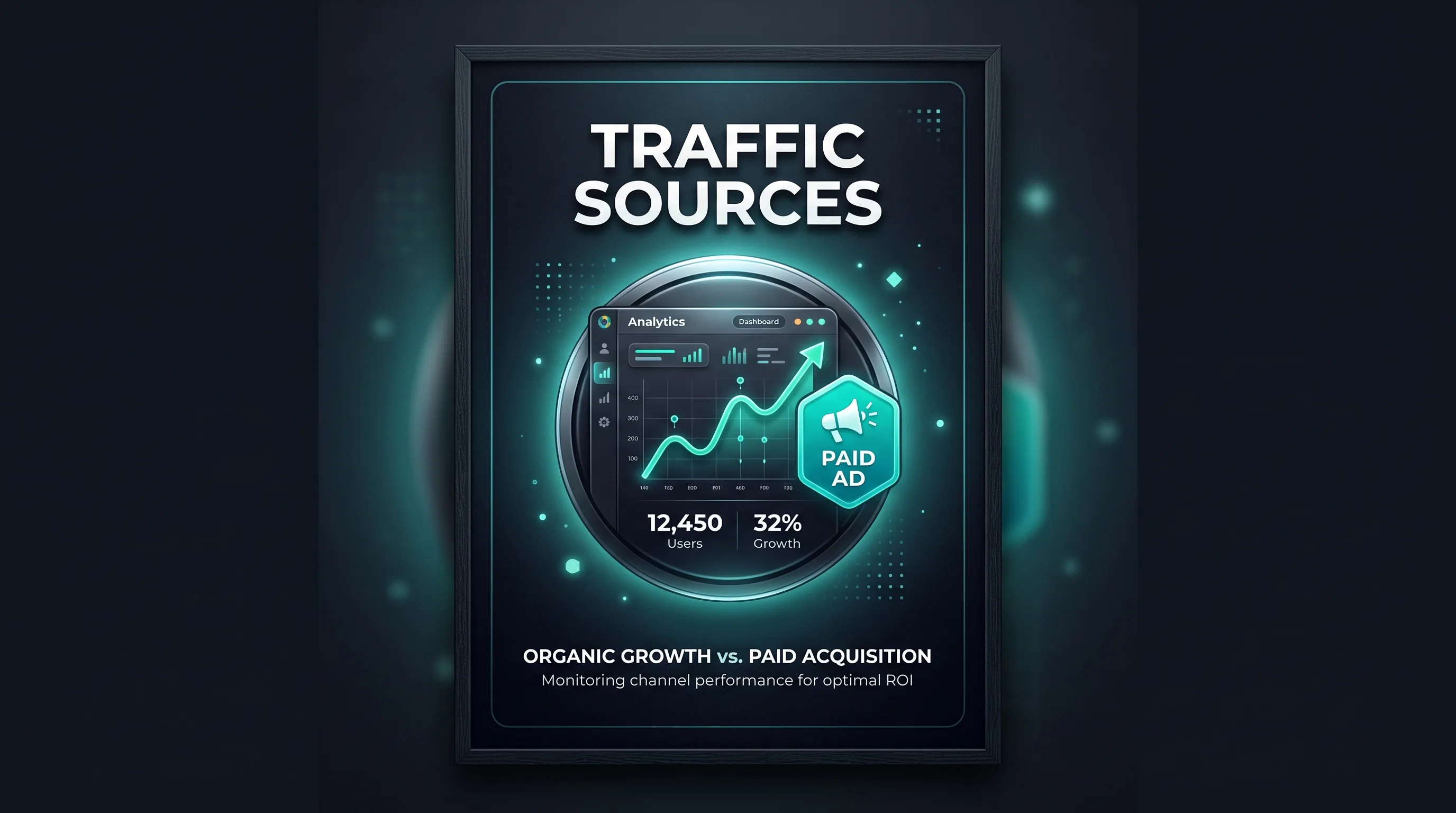 Figure 5: Sharing search metrics between organic and paid campaigns generates highly efficient patient funnels.
 AI Search Is Now a Third Channel You Cannot Ignore
While dental SEO and Google Ads are the two most familiar digital marketing channels for dentists, a third channel is growing rapidly and must now be part of your strategy.
AI tools including ChatGPT, Perplexity AI, Google Gemini, Microsoft Copilot, and SearchGPT are being used by patients to find and evaluate dental practices. When a patient asks an AI tool to recommend a dentist for dental implants in their city, the AI generates an answer based on what it finds across verified online sources. Neither your Google Ads nor your keyword rankings directly determine whether your practice appears in that answer.
What determines your AI search visibility is the quality and consistency of your overall online presence. Your Google Business Profile, your online reviews (review our review generation system), your dental website content, your citations, and your structured data all contribute to how AI tools perceive and recommend your practice. Read about AI search optimization for dentists to learn more.
Getting cited as a trusted source in ChatGPT, Perplexity AI, and Google Gemini requires Generative Engine Optimization, or GEO, and Answer Engine Optimization or AEO. GEO means structuring your dental website and online presence so that AI tools can clearly understand who you are, where you are, and what you offer. AEO means creating content that directly answers the questions patients are asking AI tools right now.
Traditional dental SEO focused only on Google rankings and Google Ads are no longer a complete patient acquisition strategy. As more patients turn to AI tools to find dental care, the practices that invest in GEO and AEO alongside their traditional dental search engine optimization and paid advertising will capture a growing share of new patients that practices relying only on conventional channels will miss entirely. You should target Google AI Overviews, learn how to appear in Google AI Overviews, and find out how to get recommended by ChatGPT.
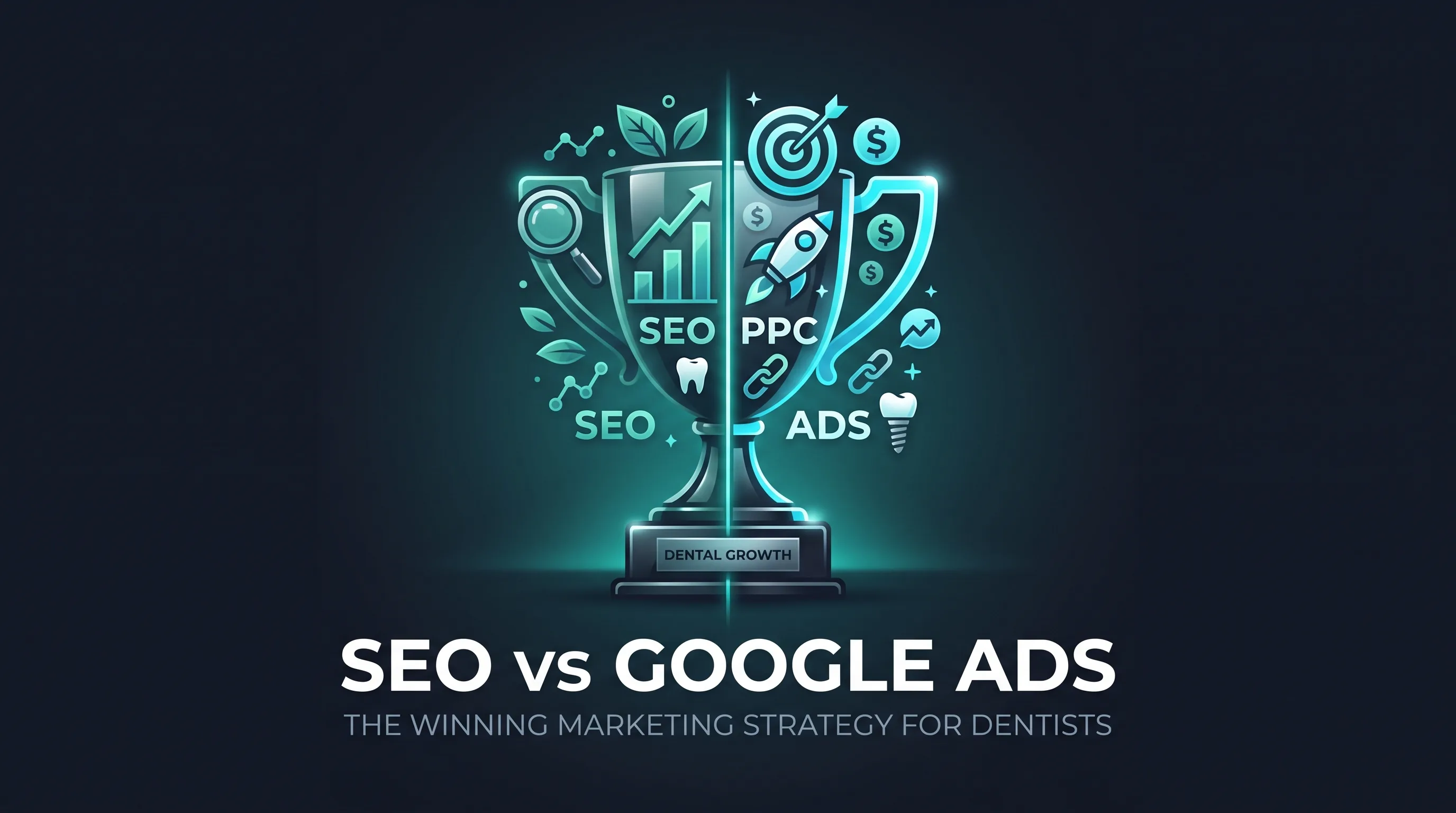 Figure 6: Structuring data schema assets prepares your practice listing for ChatGPT recommendations.
 Final Thoughts: The Right Answer Is Usually Both
For most dental practices, the question is not whether to choose local SEO or Google Ads. The right answer is to use both intelligently, with a clear understanding of what each channel does well and what it costs.
Start with Google Ads if you need patients right now. Build your dental local SEO at the same time so that your organic visibility grows while your ads are working. Add AI search optimization as a third layer to future proof your practice against the shift in how patients find dental care.
Work with a dental SEO agency or dental SEO expert that understands all three channels and can build an integrated strategy that produces the best possible return on investment for your specific practice, your market, and your growth goals. Conduct a local SEO audit to check your status, optimizing for E-E-A-T for dental websites and ensuring your pages are set up correctly by referencing our dental service page SEO framework. If you're a multi-location group, consult our guide to local SEO for dental groups and DSOs, outlining managing multiple GBP listings, NAP consistency for DSOs, local landing pages, and review management for DSOs. Track your progress using the tracking dental SEO results methodology, monitoring local SEO KPIs, setting up GA4 setup for dental websites, implementing call tracking for dental SEO, and relying on Google Search Console and the best dental SEO tools like accurate rank tracking tools.

Ready to Dominate Local & AI Search?
Navigating the complexity of Local Map Packs, traditional search rankings, and emerging AI engine visibility can be difficult. Schedule a practice growth audit with our dental SEO specialists today. We will analyze your practice listings, audit your competitor strategies, and layout the exact plan needed to capture high-value cases.
Schedule Growth Assessment