Key Takeaways
Replying strategically to positive and negative patient reviews is a powerful local SEO prominence booster that directly influences prospective patient conversions.
- 100% Response Target: Replying to all reviews shows search engines and patients that your clinic actively manages its patient relations.
- HIPAA Compliance: Protect your practice by keeping all replies generic, never confirming clinical or patient status publicly.
- AI Engine Optimization: Clean, structured review answers feed directly into conversational knowledge systems, yielding recommendations.
- 1. Why Responding to Google Reviews Is a Core Part of Dental SEO
- How Google Uses Review Responses in Dental Local SEO Rankings
- The Golden Rule of Responding to Google Reviews as a Dentist
- How to Respond to Positive Google Reviews as a Dentist
- How to Respond to Negative Google Reviews as a Dentist
- What Never to Include in a Google Review Response as a Dentist
- Using Review Responses to Highlight Your Dental Services and Location
- Building a Review Response System for Your Dental Practice
- How Review Responses Connect to Your Full Dental SEO Strategy
- Why Traditional Dental SEO Is No Longer Enough
- What GEO Means for Review Responses at a Dental Practice
- What AEO Means for Dental Practices Managing Google Reviews
- How to Get Your Dental Practice Cited by AI Platforms Through Review Management
- Tracking the Impact of Review Responses on Dental SEO and Practice Growth
- Choosing a Dental SEO Agency That Includes Reputation Management
- Conclusion: Review Responses Are One of the Most Powerful Tools in Dental SEO
- Frequently Asked Questions
1. Why Responding to Google Reviews Is a Core Part of Dental SEO
When most dentists think about dental SEO, they think about their website, their dental keyword research, and their Google Business Profile categories. Very few think about their review responses. That is a significant missed opportunity because how you respond to Google reviews has a direct impact on your local SEO for dentists results and your ability to convert new patients. See our detailed Google Business Profile setup guide to get started.
Google reads your review responses. The words you use in those responses are indexed as content on your Google Business Profile (learn more in our Google Business Profile for Dentists hub, which covers GBP photos and GBP insights). When you write a thoughtful response that naturally includes your practice name, your location, and the services you offer, you are adding relevant keyword content directly to your listing. That content supports your dental search engine optimization in the same way that well-written website pages and GBP posts for dentists do.
Beyond the SEO benefit, your review responses are read by patients before they ever call your office. Prospective patients look at how a dental practice handles feedback. They look at whether the practice responds quickly, whether the responses feel genuine, and whether the practice handles negative feedback professionally. A practice that responds well to every review signals to patients that it cares about the patient experience, which is one of the strongest trust signals available in dental marketing.
This guide on how to respond to Google reviews as a dentist gives you everything you need to respond to Google reviews in a way that builds your online reputation, supports your local dental SEO, and positions your practice as the most trusted option in your market.
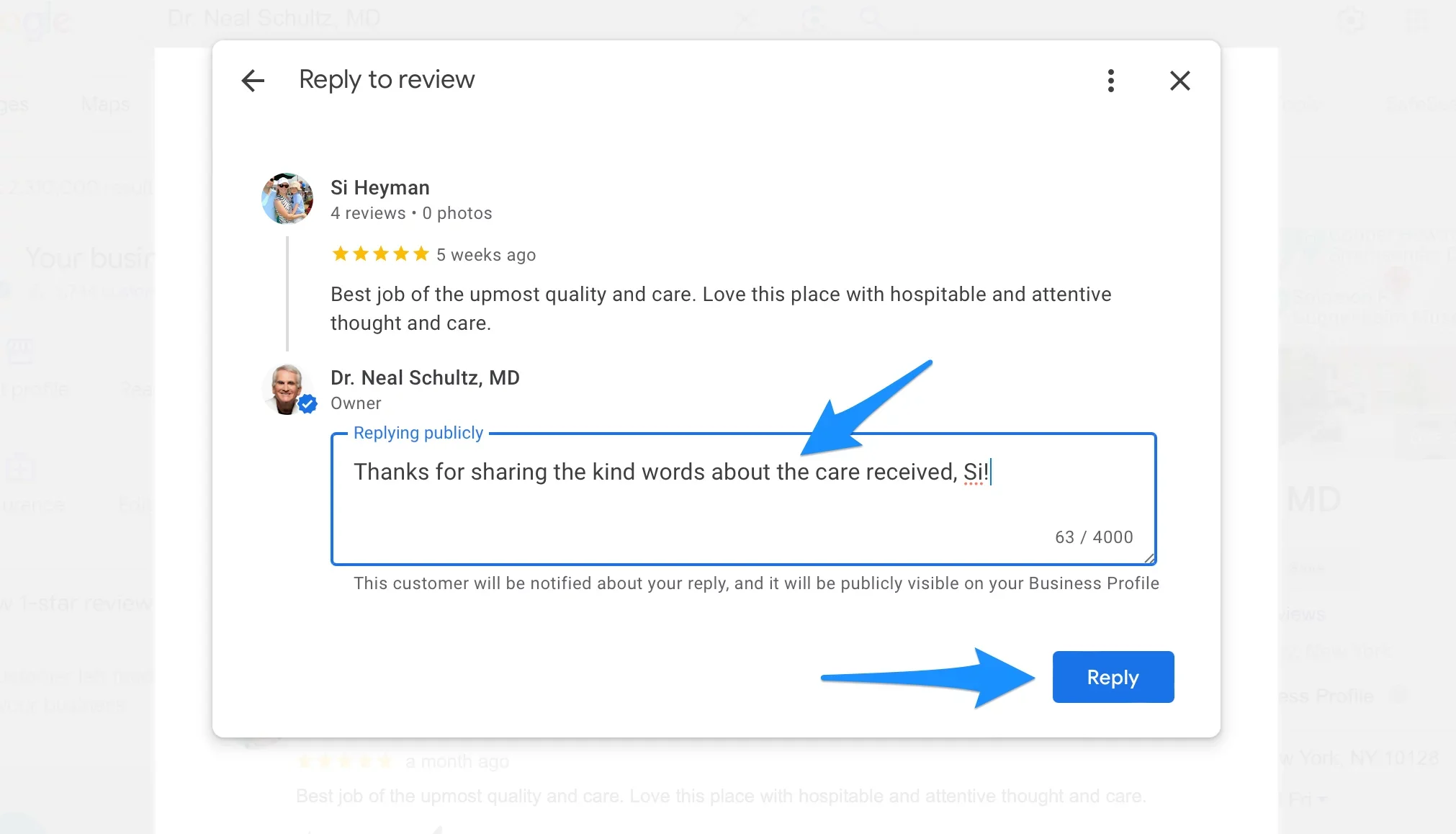 Figure 2: Thoughtful, professional replies to patient feedback serve as immediate trust-builders for new patients.
 How Google Uses Review Responses in Dental Local SEO Rankings
Google's algorithm for local search rankings looks at multiple signals when deciding which dental practices to show in the Local 3-Pack and on Google Maps. Review quantity and rating are two of the most well-known signals. What fewer dentists know is that review responses also play a role. Reply activity on your listing is crucial for ranking well in the Google Map Pack.
Google rewards active, engaged business listings. A practice that responds to every review is demonstrating to Google that it actively manages its online presence. That activity is a positive signal in Google's assessment of your listing's prominence, which is one of the three core ranking factors for the Local 3-Pack alongside relevance and distance.
Your review responses are also indexed as text content on your profile. When you include terms like "dental implants in [city]" or "cosmetic dentistry at our [city] practice" in a response, Google reads those terms and uses them as additional context about your practice's services and location. This is exactly how dental SEO marketing works inside your GBP listing, and review responses are one of the most overlooked channels for adding that kind of keyword-rich content. To optimize this, align your responses with your dental keyword research using geo modifier keywords and targeting both near me keywords and long tail keywords that match patient search intent.
Practices that respond to reviews consistently also tend to accumulate more reviews over time. Patients who see that a practice replies to feedback are more likely to leave their own review because they know it will be acknowledged. More reviews mean stronger review generation momentum, which compounds your local SEO for dentists ranking advantage month after month.
The Golden Rule of Responding to Google Reviews as a Dentist
Before getting into specific response strategies, there is one rule that applies to every single review you will ever receive: respond to every review. Every positive one. Every negative one. Every one that falls in between.
Leaving reviews unanswered is one of the most common mistakes in dental practice SEO. An unanswered positive review is a missed opportunity to reinforce your relationship with a happy patient and add keyword content to your listing. An unanswered negative review is far more damaging because prospective patients read negative reviews carefully and a lack of response signals that the practice either does not care or has something to hide.
Set a goal to respond to every new review within 24 to 48 hours. Use marketing automation tools or assign a specific team member to monitor your Google Business Profile for new reviews daily. Some practice management software platforms like Dentrix, Eaglesoft, and Open Dental integrate with reputation management tools that can notify you the moment a new review appears, helping you handle negative reviews quickly. Check out our guide on how to get more Google reviews to build your profile.
Speed matters. A quick response shows patients and Google that your practice is attentive and professionally managed.
How to Respond to Positive Google Reviews as a Dentist
Positive reviews are the ones most dental practices feel comfortable with but respond to poorly. The most common mistake is a generic, one-sentence reply that says something like "Thank you for your kind words!" That response is better than nothing but it wastes a significant opportunity.
A well-written response to a positive review should do three things. It should thank the patient genuinely, reference something specific from their review, and include a natural mention of your services and location. This combination makes the response feel personal and human to patients who read it while also adding valuable keyword content for dental SEO.
Here is an example of a weak response compared to a strong one:
Weak response: "Thank you so much! We appreciate your review."
Strong response: "Thank you for sharing your experience with us. We are so glad your dental implant procedure went smoothly and that you felt comfortable throughout. Our team works hard to make every visit at our [city] dental practice as positive as possible, and it means a lot to hear that we hit the mark. We look forward to seeing you at your next visit."
The strong response thanks the patient, references their specific experience with dental implants, mentions the location, and ends on a forward-looking note that reinforces the ongoing patient relationship. It is warm, genuine, and specific. It also contains terms like "dental implant procedure" and your city name, which add to your dental local SEO content without sounding forced. You can read more about this in our guide to dental implants cost page SEO.
Every positive review response should follow this formula. Personalize it to what the reviewer actually said. If they mentioned a specific team member, include that person's name in your reply. If they mentioned a specific treatment, reference it. Specificity is what makes a response feel authentic rather than templated.
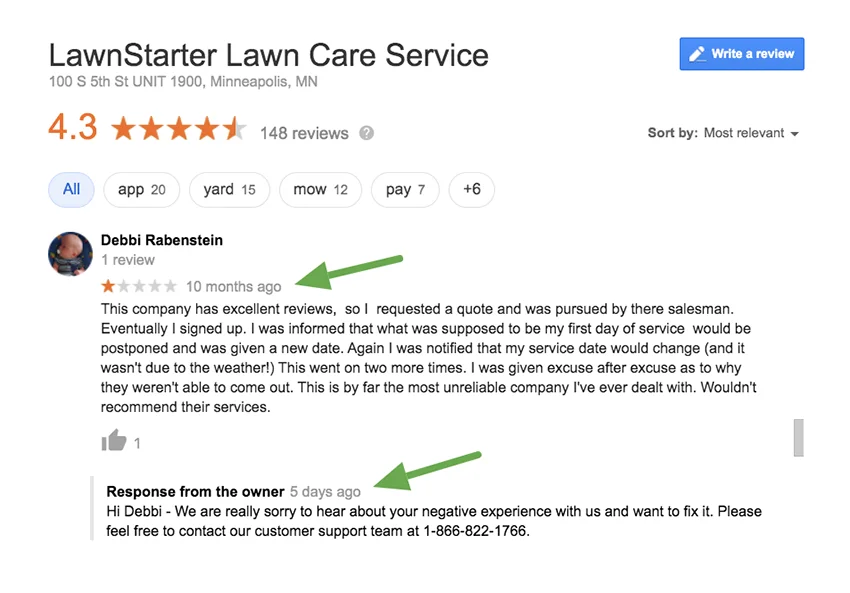 Figure 3: Formulating personalized replies to positive reviews adds service-specific details and locations naturally.
 How to Respond to Negative Google Reviews as a Dentist
Negative reviews are the responses most dentists dread writing. Done poorly, a response to a negative review can make the situation worse and push potential patients away. Done well, a response to a negative review can actually increase patient trust and demonstrate that your practice handles problems with professionalism and care.
Here are the core principles for responding to negative reviews as a dentist:
- Stay calm and professional: Even if the review is unfair or inaccurate, your response must be measured. A defensive response reflects worse on your practice (see our guide on Healthgrades vs Google reviews for multi-channel review insights).
- Acknowledge without admitting fault: Discussing specific care details is a HIPAA violation. Simply express concern that they had a poor experience (learn more in our HIPAA compliance guide).
- Invite private continuation: Always provide a direct phone number or email address so they can reach out to resolve it privately.
Here is an example of a strong response to a negative review:
"We are sorry to hear that your experience did not meet your expectations. Patient comfort and satisfaction are at the center of everything we do at our [city] dental practice and we take all feedback seriously. We would appreciate the opportunity to learn more about your visit and work toward a resolution. Please reach out to us directly at [phone number] or [email address] so we can speak with you personally. We hope to have the chance to make this right."
This response acknowledges the concern, does not confirm clinical details, emphasizes patient care values, invites private resolution, and includes your location for local dental SEO context. It is professional, empathetic, and action-oriented.
After posting your response, follow through by actually trying to contact the patient or having your office manager reach out. Sometimes a phone call resolves a negative review situation and the patient voluntarily updates or removes their review after the issue is addressed.
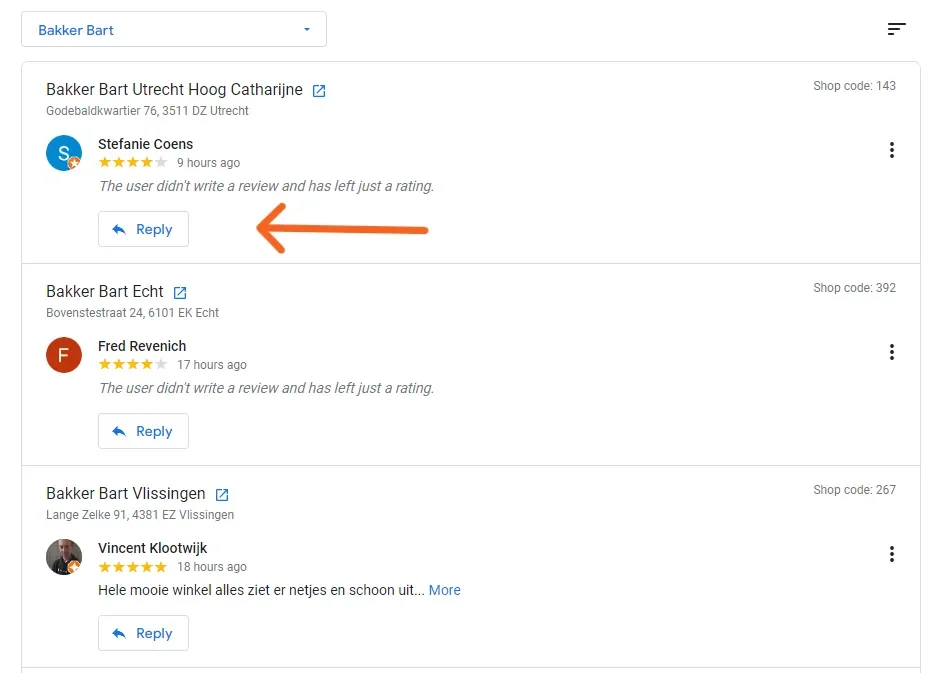 Figure 4: A professional, HIPAA-compliant response to negative feedback builds credibility with potential patients scanning reviews.
 What Never to Include in a Google Review Response as a Dentist
Knowing what not to say in a review response is just as important as knowing what to say. Here are the things to avoid in every response you write:
- Never include any patient-specific information. Doing so violates patient privacy and HIPAA compliance.
- Never argue with a negative reviewer. Keep it professional and steer the discussion to a private channel.
- Never copy and paste the same generic response template. Identical responses make your practice look robotic.
- Never ignore a review. A lack of response signals indifference to prospective patients and Google alike.
- Never keyword-stuff your responses in an unnatural way. Keep keywords like dental implants or cosmetic dentist reading naturally.
Using Review Responses to Highlight Your Dental Services and Location
One of the most underused dental SEO techniques inside review responses is the strategic and natural inclusion of your services and location. Every response you write is indexed by Google and becomes part of the keyword-rich content associated with your listing.
Think of your review responses as micro content opportunities. Each response is a short piece of writing that can reinforce what your practice does, where it is located, and who it serves.
When a patient leaves a review about their experience with Invisalign, your response can naturally include a phrase like "We love helping our patients in [city] achieve straighter smiles with clear aligners like Invisalign (and creating explainers comparing Invisalign vs braces)." When a patient reviews their dental implant experience, your response might include "Restoring confident smiles with dental implants at our [city] practice is one of the most rewarding things our team gets to do." For patients who received aesthetic treatments, mentioning cosmetic dentistry can yield similar benefits.
These are genuine, patient-appropriate statements that also serve your dental SEO marketing goals. Over dozens and hundreds of review responses, this practice adds a significant body of location and service-specific content to your GBP listing that compound in their SEO impact over time.
This approach is recommended by dental SEO experts because it is one of the few ways to add high-quality, human-written content directly to your GBP profile outside of your description and posts.
 Figure 5: Highlighting services like teeth whitening, veneers, and sedation dentistry in review replies strengthens maps keyword relevance.
 Building a Review Response System for Your Dental Practice
Responding to reviews consistently requires a system. Without one, responses become inconsistent, slow, or neglected entirely, especially during busy periods at the practice.
Here is how to build a review response system that works reliably for a dental clinic or dental office:
- Assign review ownership: Appoint a team member (such as the office manager) to monitor notifications daily.
- Create a response template library: Develop custom templates that your team can quickly customize, reducing response times.
- Integrate with tools: Link notification alerts to your CRM or custom review generation system.
- Set response deadlines: Target a strict reply window of 24 to 48 hours for all feedback. Be sure to monitor your metrics using GBP insights and learn how to read GBP insights to track your progress.
- Refine quarterly: Audit template performance and keyword alignment to adjust your approach.
How Review Responses Connect to Your Full Dental SEO Strategy
Your Google review responses do not exist in isolation. They are one layer of a complete dental SEO and dental marketing system and they are most powerful when connected to everything else you are doing.
When your review responses consistently mention your location and services, they reinforce the same signals your website and GBP categories are sending to Google. This consistency across multiple signals makes your overall dental local SEO stronger.
When a new patient reads your review responses before booking, they are making a trust assessment of your practice. A consistent, professional, warm response style across all your reviews builds the same kind of confidence that great dental website design, strong branding, and detailed dental service page SEO build on your website. Review responses are an extension of your patient experience even before a patient walks through the door.
When your reviews and responses contain natural mentions of specific services like dental implants, cosmetic dentistry, and Invisalign, those terms reinforce the entity data that AI platforms use to understand what your practice specializes in. This connects your review response strategy directly to your GEO and AEO goals.
Why Traditional Dental SEO Is No Longer Enough
This is where the conversation about review responses connects to a much bigger shift happening in how patients find dental practices: traditional dental SEO alone is no longer enough.
Patients increasingly turn to AI platforms before they open Google, relying heavily on voice search and conversational prompts. They ask ChatGPT for dentist recommendations. They use Perplexity AI to get direct answers to questions about dental treatments. They use Google Gemini (integrated with Google AI Overviews—learn how to appear in AI Overviews), Microsoft Copilot, and SearchGPT to find local providers. These platforms do not return a long list of results; they present a single response, which is why a solid zero click strategy and comprehensive AI search optimization are required to get recommended.
The practices that get cited are the ones that have built a complete, structured, authoritative online presence across every channel. That includes their website, their GBP, their backlinks (acquired through strategic local link building like community backlinks, sponsorship links, press PR links, and guest posting), their content, their dental practice reviews, and their review responses. Every piece of content associated with your practice online contributes to the picture AI engines form of who you are, what you do, and how trustworthy you are.
This is where Generative Engine Optimization (GEO) and Answer Engine Optimization (AEO) come in and why they are no longer optional for dental practice growth.
What GEO Means for Review Responses at a Dental Practice
Generative Engine Optimization (GEO) is the strategy of structuring your entire online presence so that AI language models actively recognize and cite your practice as a verified, trustworthy source.
Your Google review responses are part of that structure. When AI engines like Google Gemini and Perplexity AI assess your practice, they look for consistent, well-structured content across every touchpoint. Review responses that consistently mention your services, your location, and your patient care values contribute to a coherent entity profile that AI engines can read and trust.
A practice that has hundreds of reviews with thoughtful, service-specific responses is far more likely to be recognized by an AI engine as a credible dental provider in its city than a practice with the same number of reviews but no responses or generic one-line responses that provide no useful content.
GEO for dental review responses means writing every response with the same intention you bring to your website content. Be specific. Be genuine. Include your location and your services naturally. Build a content ecosystem across your entire GBP that AI engines can confidently extract and cite.
What AEO Means for Dental Practices Managing Google Reviews
Answer Engine Optimization (AEO) is the strategy of creating content that becomes the direct answer AI platforms serve when patients ask specific questions.
Review responses contribute to AEO in a specific way. When an AI platform is evaluating whether to recommend your practice for a specific service, it looks at multiple signals including your website content, your GBP data, your backlinks, and your review sentiment and content. Review responses that affirm your expertise in specific areas, such as dental implants, cosmetic dentistry, or orthodontist specialties, give AI engines additional third-party-adjacent signals that confirm your specialty.
A response that says "We are glad you chose our practice for your full arch dental implant restoration" is indexed by Google and read by AI engines as a signal that your practice performs full arch implant cases. Over time, consistent responses that reference specific services build a stronger AEO presence for those services because every response is another piece of content that confirms what your practice does and does it well.
The combination of strong AEO content on your website, active GBP posting, and thoughtful service-specific review responses creates a dental practice profile that AI engines can cite with confidence across ChatGPT, Perplexity AI, Google Gemini, Microsoft Copilot, and SearchGPT.
How to Get Your Dental Practice Cited by AI Platforms Through Review Management
Getting cited by AI platforms is the result of building a consistent, authoritative, and structured online presence across every channel. Your review management strategy is one part of that effort.
Here is how review responses specifically contribute to AI citation readiness:
- Consistent service mentions: Writing location-specific replies linked to terms like orthodontist, dental implants, pediatric dentist, emergency dentist (helping you rank near me), or root canal treatments strengthens entity relationships in search graphs.
- Rich patient context: Coupling actual patient reviews with detailed replies builds strong semantic context.
- High reply activity: A consistent 100% reply rate signals a highly managed, trusted clinical organization.
- Empathic problem resolution: Responding professionally to complaints shows robust operational quality, which AI models look for when filtering clinic recommendations.
Align your GBP responses with your website's custom schema markup. Be sure to reference detailed guidelines like our schema markup implementation guide and build structured FAQ schema to help conversational engines discover and quote your clinic. This is a critical part of your overall technical SEO for dental websites strategy, which should also encompass mobile SEO optimizations for Core Web Vitals and page speed. Ensuring strong E-E-A-T signals and structured internal linking across your domain helps AI platforms verify your practice details.
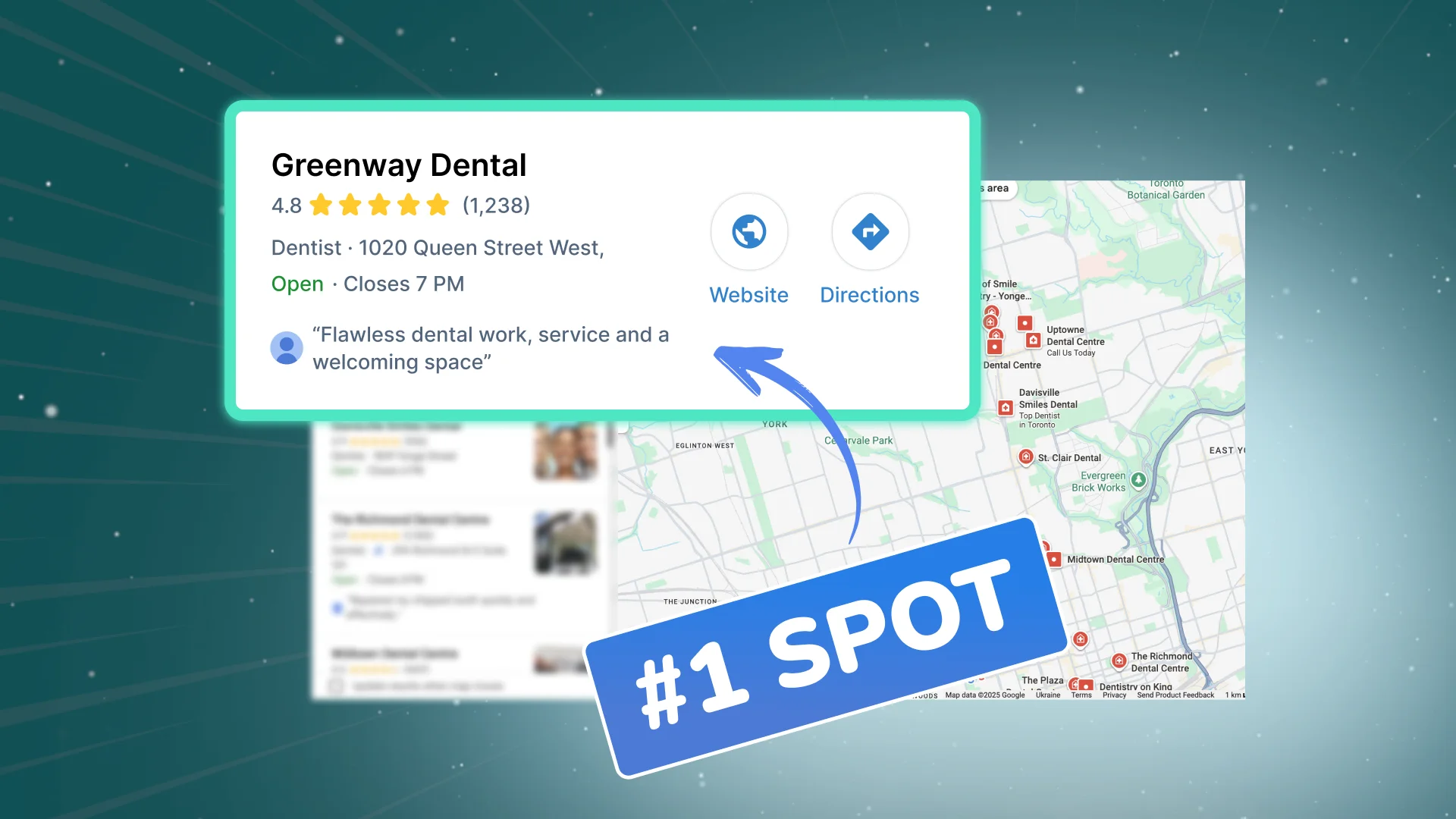 Figure 6: Structuring keyword-rich review replies feeds conversational crawlers with clean data to list your clinic in AI answer results.
 Tracking the Impact of Review Responses on Dental SEO and Practice Growth
Measuring the impact of your review response strategy requires looking at multiple data points over time. Data-driven marketing is the foundation of effective dental practice growth and review management is no exception.
Make sure you are tracking dental SEO results by measuring critical local SEO KPIs. Set up professional call tracking, configure accounts via our search console guide, complete a proper GA4 setup, utilize advanced rank tracking tools, build custom SEO reporting dashboards, and choose the best dental SEO tools.
Track your total review count and average rating monthly. A healthy practice should be growing its review count steadily, with new reviews appearing every week as a result of consistent review generation efforts.
Track your response rate. Your goal should be 100 percent of reviews responded to within 48 hours. If your response rate drops below that, identify the gap in your system and fix it.
Monitor your Google Maps visibility and local search rankings alongside your review activity. Practices that see spikes in review activity combined with consistent responses typically see corresponding improvements in Map Pack rankings over the following weeks.
Beyond GBP, track your performance alongside organic keyword rankings, your Google Ads, your Facebook Ads, and your overall practice revenue, helping you understand your total dental local SEO costs.
Choosing a Dental SEO Agency That Includes Reputation Management
If managing review responses, building a review generation system, and connecting your reputation strategy to a complete dental SEO and GEO approach sounds like more than your team can handle, you are not alone. Most dental practices benefit from working with a specialized dental SEO agency or dental marketing agency that includes reputation management as part of their service offering.
When evaluating a dental SEO company for this kind of work, ask whether they monitor your reviews and respond on your behalf or coach your team to respond effectively. Ask whether they include review generation as part of their dental SEO services. Ask whether they connect your reputation data to your broader dental marketing analytics through a unified marketing dashboard. Ask whether they build GEO and AEO strategies that treat your review content as part of your AI citation readiness. A great agency will also audit your dental local citations to ensure strict NAP consistency, submit your office to the best dental directories, help you fix inconsistent citations, and provide specialized services like Healthgrades optimization and Zocdoc SEO.
The best dental SEO companies understand that reputation management is not a separate service from dental practice SEO. It is an integrated part of a complete dental practice growth strategy that drives new patient acquisition, increases treatment acceptance, and builds the kind of trusted brand reputation that sustains a dental practice for the long term.
Conclusion: Review Responses Are One of the Most Powerful Tools in Dental SEO
Every review you receive is an opportunity. A positive review is an opportunity to reinforce trust, thank a loyal patient, and add keyword-rich content to your GBP listing. A negative review is an opportunity to demonstrate professionalism, show prospective patients how your practice handles challenges, and potentially turn a dissatisfied patient into a loyal one.
Responding to every review, quickly, genuinely, and strategically, is one of the highest-leverage actions you can take for your local SEO for dentists results, your online reputation, and your ability to attract more new patients consistently.
If you are launching a new office, refer to our comprehensive guides on local SEO for a new dental practice. We will help you build from scratch, follow our GBP setup for a new practice guidelines, navigate building citations with no prior history, generate your first reviews, and tick off all points in our website SEO checklist.
For larger brands, explore local SEO for dental groups and DSOs. Our specialists assist in managing multiple GBP listings, maintaining unified NAP consistency for DSOs, launching localized local landing pages, neighborhood SEO pages, and multi-location pages, configuring centralized review management for DSOs, and reporting with customized DSO SEO reporting systems.
Analyze your budget allocation by comparing local SEO vs Google ads for dentists and check off items on our dental local SEO checklist. If you are struggling with a dental practice not showing on Google Maps, we can help troubleshoot your issues.
Traditional dental SEO alone is no longer enough. The future belongs to dental practices that build a complete, data-driven, AI-ready online presence from the ground up.
Start responding to every review today. Do it consistently, do it professionally, and do it as part of a strategy that is built to grow your practice for years to come.
If you want expert help managing your online reputation and building a complete dental marketing strategy that includes AI search optimization and dental practice growth, connect with a dental SEO agency that specializes in results. A practice growth assessment (refer to our local SEO audit guide to run one yourself) is the right first step.
Frequently Asked Questions
Yes. Responding to positive reviews thanks the patient, reinforces patient loyalty, and provides an opportunity to naturally include service and location keywords to boost local SEO.
Always stay calm and professional. Acknowledge the patient's concern without discussing clinical details (to comply with HIPAA), and invite them to continue the conversation privately by providing an email or phone number.
Only if you disclose patient-specific information. To maintain strict HIPAA compliance, never confirm that the reviewer is a patient or discuss details about their appointment, treatment, or insurance.
Yes. Google rewards active listings. Consistently replying to reviews demonstrates to Google that your practice is engaged and well-managed, improving your profile's prominence score.
Yes, conversational search engines index public listings, including your reviews and responses, to understand your clinical specialties, location, and reputation before making recommendations.

Ready to Dominate Local & AI Search?
Navigating the complexity of Local Map Packs, traditional search rankings, and emerging AI engine visibility can be difficult. Schedule a practice growth audit with our dental SEO specialists today. We will analyze your practice listings, audit your competitor strategies, and layout the exact plan needed to capture high-value cases.
Schedule Growth Assessment