Key Takeaways
For a multi-location dental group, local landing pages are one of the most powerful tools in your dental SEO strategy. Each location needs its own page that speaks directly to the patients in that area. Done correctly, these pages rank in local search, drive new patient leads, and position your group to be cited by AI tools like ChatGPT, Perplexity AI, and Google Gemini. This guide covers everything you need to know to build local landing pages that actually perform. Read our guide to local SEO for dental groups and DSOs.
- Relevance Beats Breadth: Dedicated pages resolve localized patient intent far better than a generic brand homepage.
- Checklist Integration: Core structures must include accurate NAP arrays, embedded maps, and distinct H1 tags.
- Originality Guidelines: Duplicate content must be avoided by customizing opening clinical statements and team bios.
- AI Engine Optimization: Rich schemas (Dentist & LocalBusiness) supply clean facts for LLMs to parse and recommend.
- What Are Local Landing Pages and Why Do Dental Groups Need Them
- The Core Elements Every Local Landing Page Must Have
- How to Write Unique Content for Every Location Page
- Dental SEO Keywords to Use on Location Pages
- Technical SEO Requirements for Local Landing Pages
- Local Landing Pages and AI Search Visibility
- Final Thoughts: Local Landing Pages Are a Long Term Growth Asset
- Frequently Asked Questions
What Are Local Landing Pages and Why Do Dental Groups Need Them
A local landing page is a dedicated page on your dental website built specifically for one location. It targets patients in a specific city, neighborhood, or region and is optimized to rank for local dental SEO keywords tied to that area.
For a multi-location dental group, one generic homepage is not enough. Patients searching for a dentist in one part of a city are looking for something local. They want to see an address close to them, a phone number they can call, and information about the office they will actually visit. A shared homepage cannot provide that level of local relevance for every location in your group (see Google Map Pack). Start with a complete dental local SEO checklist.
Local landing pages solve this problem. Each page functions as a mini homepage for its specific location. It has its own local dental SEO content, its own location specific keywords, its own contact details, and its own patient focused information. When built correctly, each page ranks in the local search results for its specific market and brings in a steady stream of qualified new patient leads.
Dental SEO marketing experts consistently point to local landing pages as one of the highest return investments a multi-location dental group can make in its dental search engine optimization strategy. If your group does not have a dedicated, fully optimized page for every location, you are leaving local search rankings and new patients on the table. Compare local SEO vs Google ads for dentists to optimize your DSO's budget, and evaluate the dental local SEO cost.
The Core Elements Every Local Landing Page Must Have
A local landing page for a dental practice is not just a page with an address on it. It needs several key elements working together to rank well in local search and convert visitors into booked patients:
- Page title and H1 heading: Must include the primary dental SEO keyword and the location name. A good example would be "Family Dentist in Northside Chicago" or "Dental Implants in Downtown Austin."
- Meta description: Must be unique for every location page. It should include the location name, a core service keyword, and a clear call to action. Keep it under 160 characters. Meta descriptions influence click through rates from search results, which over time affects your Google search rankings.
- Body content: Must be written specifically for that location. It must not be copied from another location page with only the city name swapped. Google penalizes duplicate content and a patient can tell immediately when a page feels generic. Write about the specific neighborhood, the community the office serves, and any details that make that location unique within your group.
- Full name, address, and phone number (NAP): Include this location's details on the page, matching exactly what appears on its Google Business Profile. Consistent NAP is a foundational requirement of local dental SEO. Read about NAP consistency and maintain NAP consistency across DSO locations.
- Embedded Google Map: Include a map showing the exact location to reinforce physical presence for Google and help patients verify the office location.
- Booking call to action (CTA): Include a clear booking link, form, or clickable phone number above the fold so the next step is obvious. Website conversion optimization begins with making the next step obvious and easy.
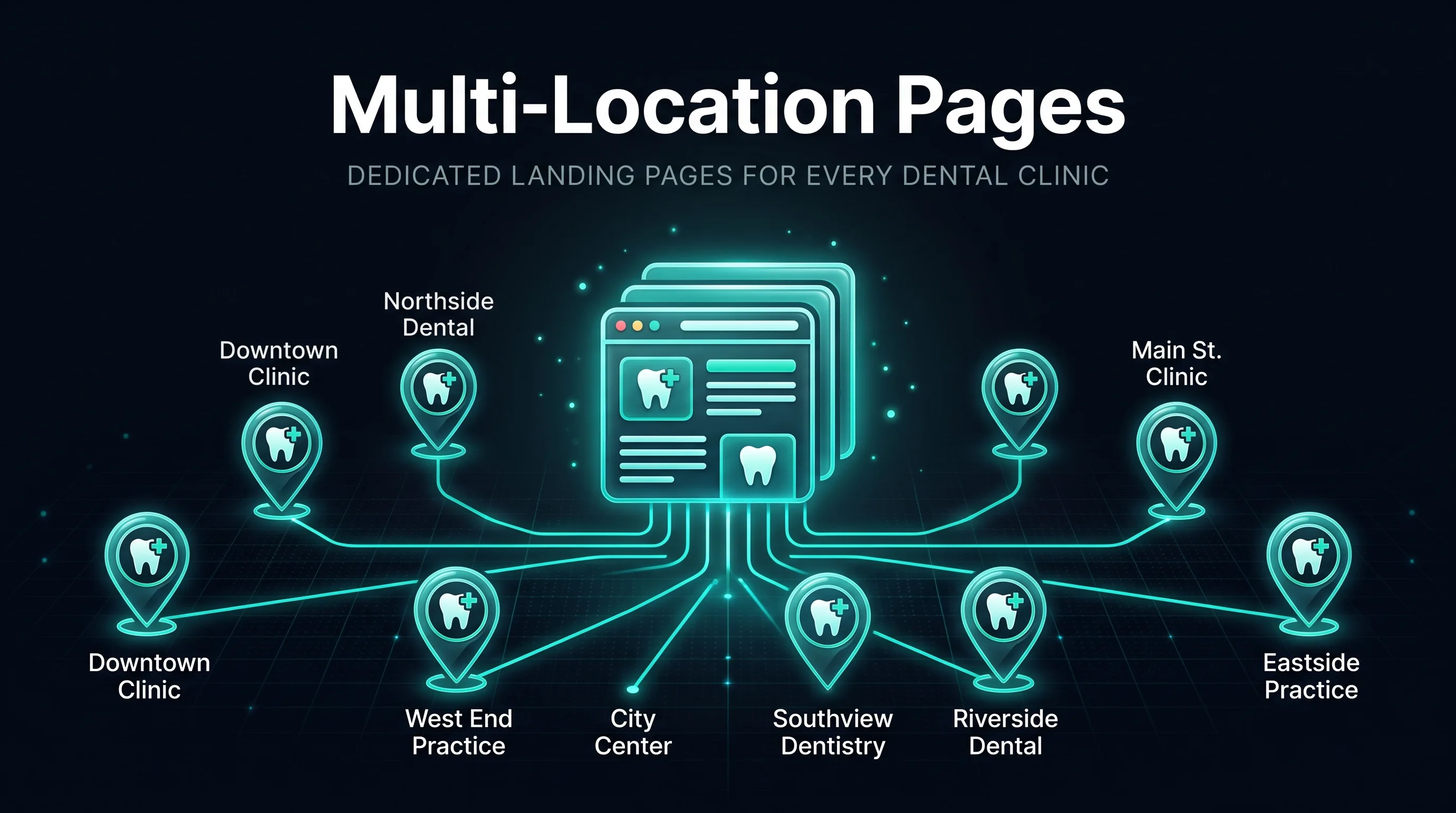 Figure 1: Anatomy of a fully optimized DSO location landing page.
 How to Write Unique Content for Every Location Page
Writing unique content for every location in a large dental group is one of the most challenging parts of this process. It is also one of the most important. Here is a practical approach that keeps content genuine and locally relevant without requiring you to start from scratch for every single page.
Start each page with a clear opening that names the specific location and the primary service or specialty focus of that office. If your Westside location sees a high volume of dental implants patients, open with dental implant content relevant to Westside patients (and include dental implants cost page SEO). If your Eastside location focuses on family dentistry, lead with family dental content.
Write a section about the neighborhood or community. Mention local landmarks, nearby schools or hospitals, or the types of patients that office commonly serves. This localized detail is what makes the page feel genuine and what helps it rank for hyper local dental SEO keywords that competitors are not targeting, like near me keywords and geo modifier keywords.
Include a section about the dental team at that specific location. Introduce the dentist or dentists, their credentials, and their approach to patient care. Real team information builds trust and also differentiates each location page from the others in your group.
Add patient testimonials and reviews that are specific to that location. Quotes from real patients who visited that office carry far more weight than generic testimonials on a shared page. If you have reviews on Google or Yelp for that location, highlight a few on the local landing page with the patient's permission. Track these reviews using a review generation system, and implement review management for DSOs. Read about dental practice reviews.
Include a FAQ section that answers the most common questions patients in that area ask. Questions like "Is this dental office accepting new patients," "Do you offer same day appointments," and "What dental insurance do you accept" are directly relevant to conversion and are also strong dental SEO keywords that can help your page rank for question based searches.
 Figure 2: Writing localized neighborhood data and specific clinician bios drives higher search relevance.
 Dental SEO Keywords to Use on Location Pages
Local landing pages need a carefully planned keyword strategy. The dental SEO keywords you use on each page should be specific to that location's market and the services offered there. Check our guide on dental keyword research.
Your primary keyword for each page should combine a core service with the location name. Examples include "dentist in your city name," "dental implants your city name," "cosmetic dentist your neighborhood name" (see cosmetic dentistry, teeth whitening, and veneers), and "emergency dentist your area name" (see emergency dentist SEO and how to rank for emergency dentist near me). Use your primary keyword in the page title, H1 heading, first paragraph, and naturally throughout the page body. You can also include specialty treatments like Invisalign (and Invisalign vs braces), pediatric dentist SEO, sedation dentistry, root canal SEO, and orthodontist SEO.
Use supporting keywords throughout the page to reinforce the local and service focus. These might include "new patients welcome your city name," "family dental care your area name," "affordable dentist your city name," and "dental office near your neighborhood name." These secondary keywords expand the range of searches your page can appear in without diluting the primary focus.
Include long tail keywords in your FAQ section and body content. Long tail keywords are longer and more specific phrases like "how much do dental implants cost in your city name" or "best dentist for kids in your neighborhood name" (read about long-tail keywords, search intent, and neighborhood SEO pages).
Avoid keyword stuffing. If a keyword phrase sounds unnatural when you read the page out loud, rewrite that sentence. Google rewards content that reads well and provides genuine value to the patient. Dental SEO strategies that rely on keyword stuffing rather than quality content consistently underperform.
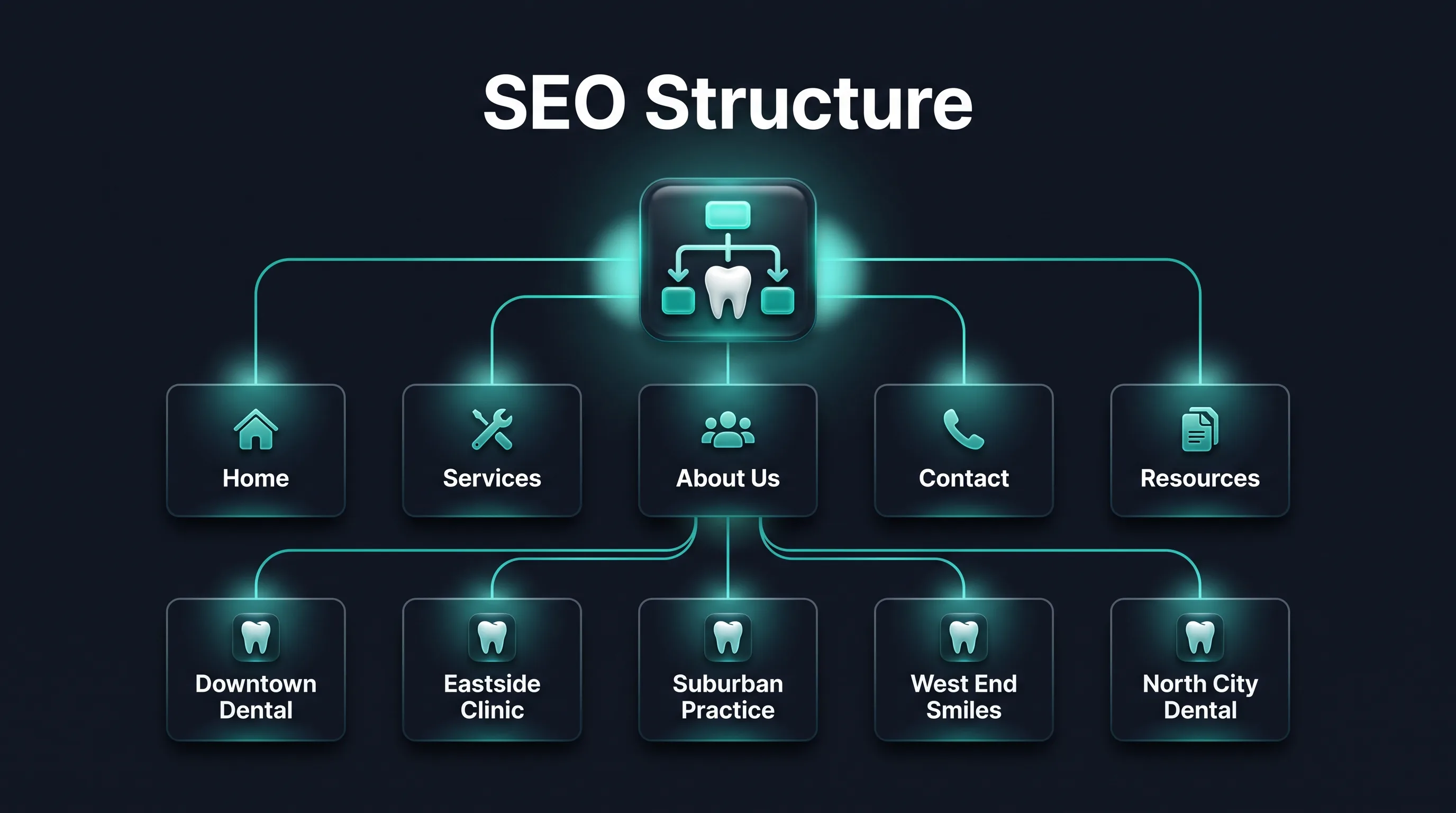 Figure 3: Aligning page body copy with localized service keywords and user search intent.
 Technical SEO Requirements for Local Landing Pages
Building a strong local landing page also requires getting the technical dental website SEO right. These behind the scenes elements affect how well Google can crawl, understand, and rank each page. Check our guide on technical SEO for dental websites.
Every local landing page needs a unique URL that includes the location name. A URL structure like yourdentalgroupdomain dot com followed by locations and then the city name is clean, logical, and easy for Google to read. Avoid using numbers or codes in your URLs. Location names are far more effective for dentist SEO. If you have a new practice, review how to build local visibility from scratch, setup a website SEO checklist, build citations with no search history, configure GBP setup for a new practice, and obtain first reviews.
Add local business schema markup to every location page. Schema is a type of structured data code that tells Google and AI tools exactly what type of business the page represents, where it is located, what services it offers, and how to contact it. Local business schema is one of the most powerful technical dental SEO tools available and it directly supports your visibility in Google rich results and AI generated answers (see schema markup for dental sites, schema implementation guide, and FAQ schema markup).
Make sure every location page is included in your sitemap and submitted to Google Search Console. This ensures Google finds and indexes every page rather than missing some of your location pages because they are buried deep in your site structure.
Link every location page from a central locations directory page on your dental website. This internal linking structure helps Google understand the relationship between your main domain and each location page (see internal linking strategy). It also helps distribute your site authority to every location page, supporting stronger local search rankings across your entire group. Ensure listings are distributed to the best dental directories, maintaining dental local citations and resolving errors via how to fix inconsistent citations. Optimize profiles for Healthgrades optimization and Zocdoc SEO. If a listing is hidden, troubleshoot with dental practice not showing on Google Maps.
 Figure 4: Structuring a clean URL hierarchy and deploying correct LocalBusiness schema code.
 Local Landing Pages and AI Search Visibility
Local landing pages are becoming a critical factor in AI search visibility for dental groups. This is a layer of dental SEO and digital marketing strategy that most multi-location groups are not yet thinking about. Take a look at our AI search optimization for dentists guide.
When a patient asks ChatGPT "What is the best dental group in my city for dental implants," or queries Perplexity AI about dental practices near a specific neighborhood, these AI tools read through available web content to generate their answers. A dental group with well built local landing pages, each containing clear location specific information, verified NAP data, patient reviews, and structured schema markup, gives AI tools exactly what they need to confidently cite those locations in their responses.
Google Gemini pulls content from pages that clearly answer local questions. Microsoft Copilot draws from Bing indexed pages and local business data. SearchGPT and Perplexity AI favor structured, factual, locally specific content when generating dental recommendations. Every local landing page you build that includes clear answers to common patient questions, location specific details, and schema markup improves your chances of being surfaced by these AI engines.
This is the foundation of Generative Engine Optimization, or GEO, applied to a multi-location dental group. GEO means structuring each location page so that AI tools can read, trust, and recommend that specific office to patients in its market (read about Generative Engine Optimization and zero-click strategies).
Answer Engine Optimization, or AEO, adds the content layer. Every FAQ section on your local landing pages, every direct answer to a patient question, and every piece of locally specific information you include contributes to your AEO strategy. The more directly your pages answer the questions AI tools are fielding from patients, the more likely those pages are to influence AI generated recommendations. You can learn more about Google AI Overviews, how to appear in Google AI Overviews, and how to get recommended by ChatGPT.
 Figure 5: Optimizing DSO location data sets up pages for citations inside Copilot search.
 Final Thoughts: Local Landing Pages Are a Long Term Growth Asset
Every local landing page you build for your dental group is a long term asset. It ranks in its local market, generates new patient leads month after month, and strengthens your overall dental SEO strategy with every passing month of consistent content and activity.
Build a dedicated page for every location. Make each one unique, locally relevant, technically sound, and optimized for both Google and AI search tools. Monitor their performance through your marketing analytics dashboard and update them regularly as your group grows and as search behavior continues to evolve.
Multi-location dental groups that invest in local landing pages as part of their dental local SEO marketing strategy consistently outperform competitors who rely on a single homepage to reach patients across multiple markets. Start building now and the results will compound over time. Check your current visibility with a local SEO audit, optimize pages for mobile speed and core web vitals (mobile SEO, Core Web Vitals, and page speed optimization), and ensure compliance with search guidelines (E-E-A-T for dental websites). Map out locations in multi-location pages and neighborhood-specific pages, optimizing for voice search.
Track your progress with SEO reporting, configure GA4 setup for dental websites, implement call tracking, monitor rankings using rank tracking tools, and check search performance via Google Search Console and the best dental SEO tools. Consolidate group-wide metrics in DSO SEO reporting and general tracking dental SEO results.
For location managers, coordinate GBP updates (GBP insights, how to read GBP insights, and responding to reviews) and execute campaigns using managing multiple GBP listings, establishing local landing pages, and executing review management for DSOs. You can also build authority through local backlinks (local link building for dentists, community backlinks, sponsorship links, guest posting, and press PR links).
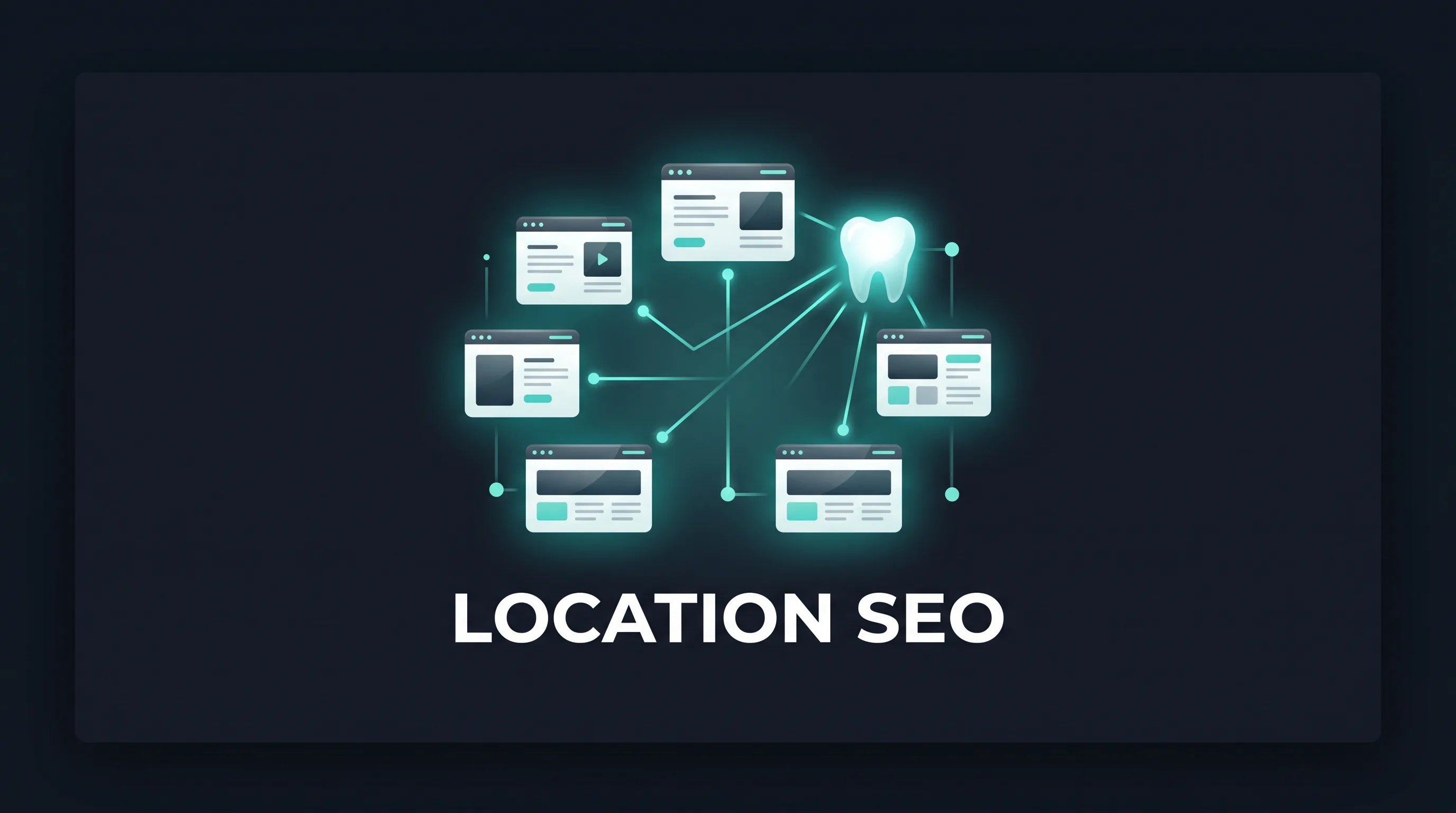 Figure 6: Scaling practice revenue using structured local landing pages.
Ready to Dominate Local & AI Search?
Navigating the complexity of Local Map Packs, traditional search rankings, and emerging AI engine visibility can be difficult. Schedule a practice growth audit with our dental SEO specialists today. We will analyze your practice listings, audit your competitor strategies, and layout the exact plan needed to capture high-value cases.
Schedule Growth Assessment