Key Takeaways
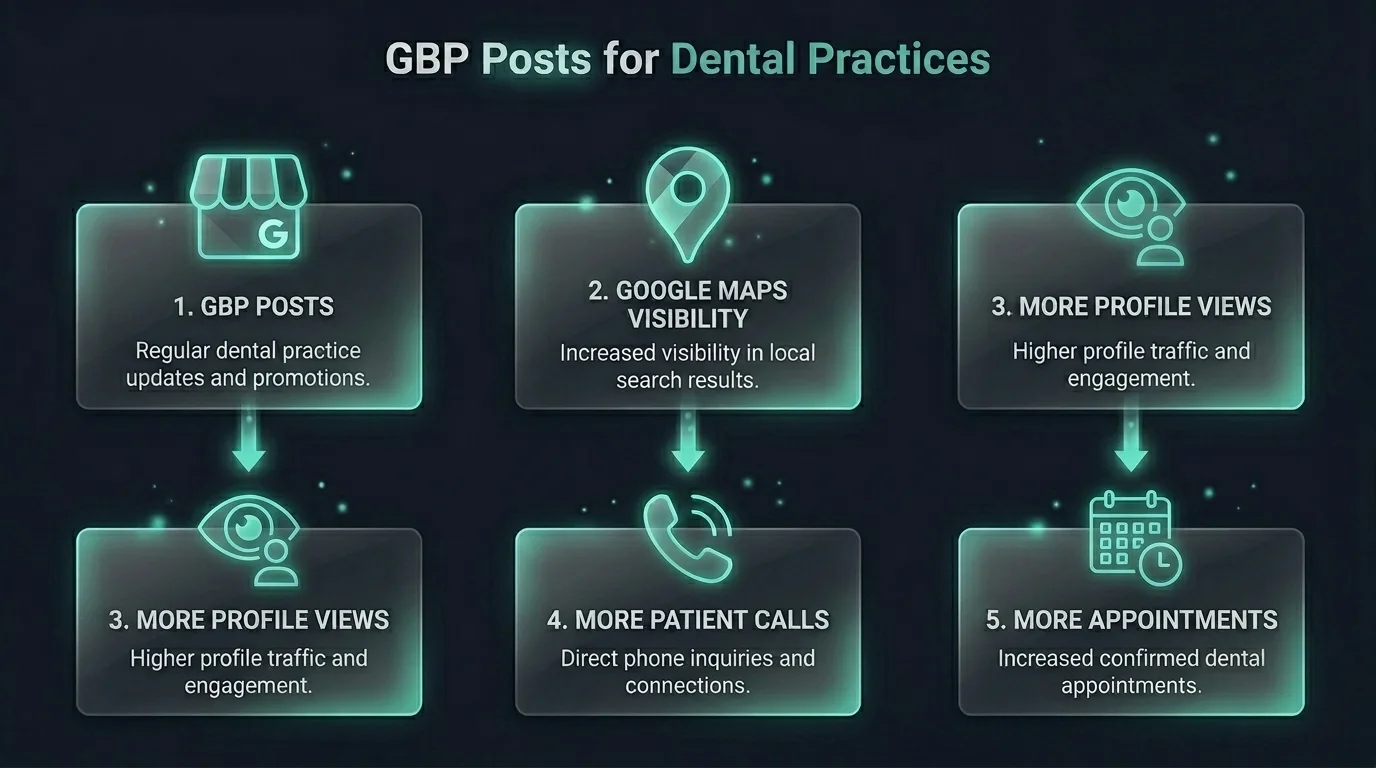
Regular publishing of Google Business Profile posts creates consistent keyword relevance, improves local pack exposure, and captures direct patient bookings.
- Relevance Signals: Regularly updating your GBP listing signals activity to Google, pushing your profile ahead of stagnant competitors.
- Multi-Channel Alignment: Interlinking GBP posts to optimized landing pages drives maps traffic into high-converting dental funnels.
- Answer Engine Citation: Highly specific, structured posts supply AI crawlers with clean data to list your practice on ChatGPT and Gemini.
- 1. Why GBP Posts Matter for Dental SEO and Local Search Rankings
- What Are GBP Posts and How Do They Work
- How GBP Posts Support Local SEO for Dentists
- How Often Should a Dental Practice Post on GBP
- Types of GBP Posts That Work Best for Dental Practices
- How to Write GBP Posts That Support Dental SEO
- Connecting GBP Posts to Your Full Dental SEO Strategy
- GBP Posts and AI Search: Why This Matters More Than Ever
- What GEO Means for GBP Posts at a Dental Practice
- What AEO Means for Dental Practices Publishing GBP Posts
- How GBP Posts Help Get Your Dental Practice Cited by AI Platforms
- Measuring the Impact of GBP Posts on Your Dental SEO Results
- Conclusion: GBP Posts Are One of the Smartest Investments in Dental SEO
- Frequently Asked Questions
1. Why GBP Posts Matter for Dental SEO and Local Search Rankings
Most dental practices set up their Google Business Profile and then leave it sitting untouched for months. They fill in their address, add a phone number, upload a few photos, and assume the work is done. That approach leaves a significant amount of visibility and new patient opportunity on the table.
Google Business Profile posts are one of the most underused features in Google Business Profile for Dentists marketing today. They are short updates that appear directly on your GBP listing when patients find you on Google Search and Google Maps. They are free to publish, fast to create, and they send a direct signal to Google that your practice is active, engaged, and worth showing to more patients.
For local SEO for dentists, an active GBP listing consistently outperforms an inactive one. Google rewards practices that use the platform regularly. Posting at least once a week keeps your listing fresh in Google's eyes and gives patients who find your profile more reasons to choose your practice over a competitor whose listing has not been updated in months.
GBP posts for dental practices are not just about keeping your listing warm. Done right, they are a dental SEO strategy tool that supports your keyword visibility, highlights your highest-value services, drives direct patient actions like calls and bookings, and even contributes to the kind of structured, authoritative content that AI platforms use when answering patient questions.
This guide gives you everything you need to use GBP posts as a real growth tool for your dental practice.
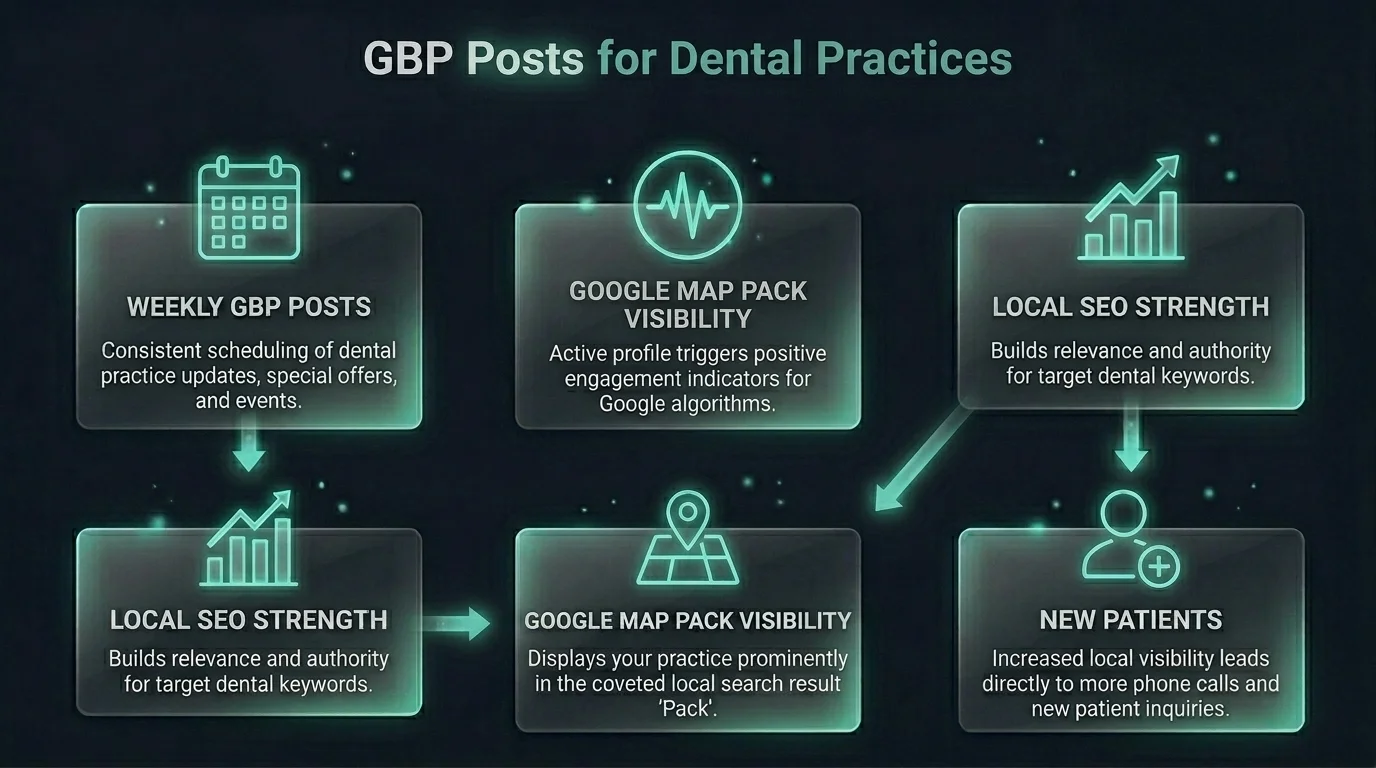 Figure 2: Active Google Business Profile posts appear clearly on search results, capturing immediate patient attention.
 What Are GBP Posts and How Do They Work
Google Business Profile posts are short pieces of content you publish directly through your GBP dashboard. They appear on your listing in Google Search results and on your Google Maps listing. When a patient searches for your practice by name or finds your listing through a local search, your most recent posts are visible right on your profile.
Posts can include text, images, a call-to-action button, and a link. Depending on the type of post, they may also include a date range for events or a promotional offer with a redemption code.
There are several types of GBP posts available to dental practices. Update posts are general announcements or news about your practice. Offer posts highlight promotions, discounts, or special deals with a start and end date. Event posts promote specific events like open house days, free consultation periods, or community outreach activities.
Each post stays visible on your listing for a limited time before being archived, which is why posting consistently and regularly is so important for maintaining a visible, active-looking profile that supports your local dental SEO.
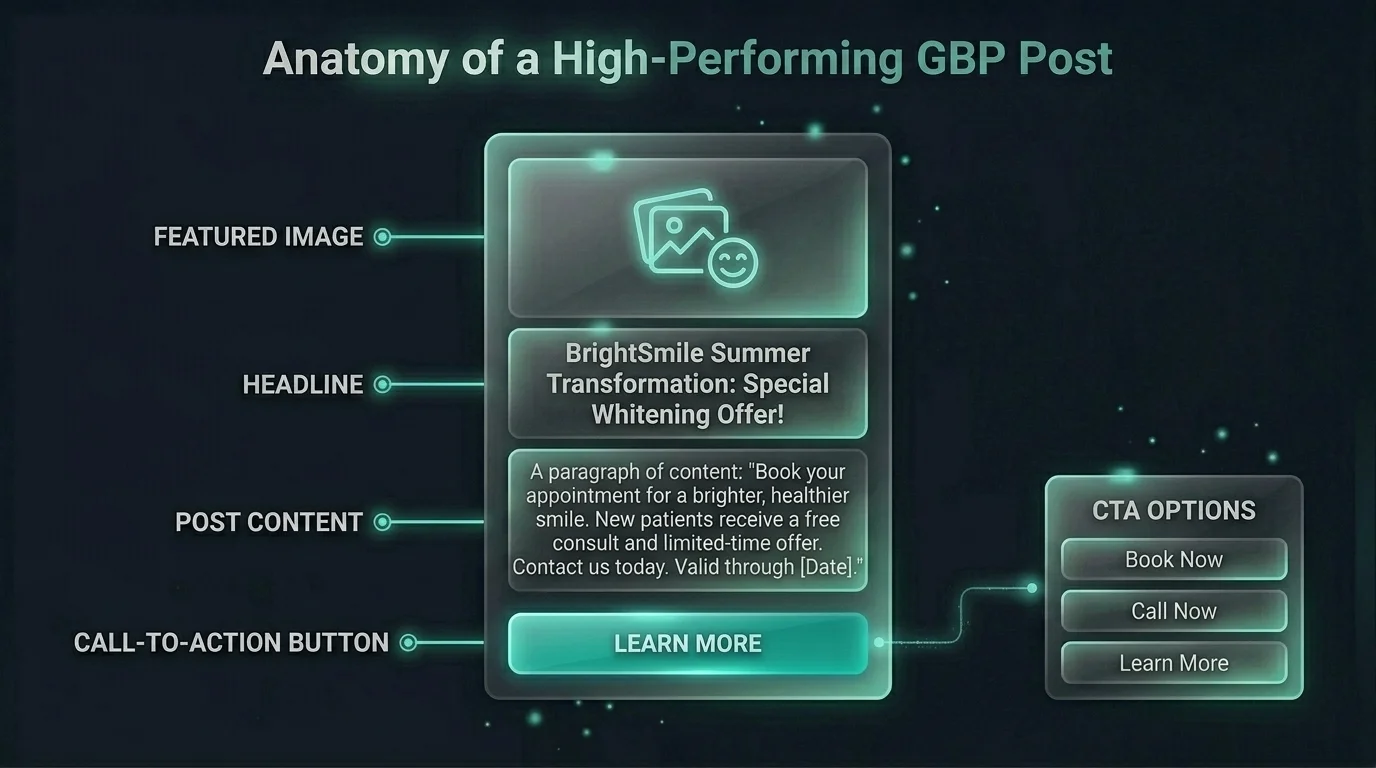 Figure 3: A published Google Business Profile post with a compelling image and direct call-to-action button links maps visitors to booking funnels.
 How GBP Posts Support Local SEO for Dentists
Every time you publish a GBP post, you are sending a signal to Google that your practice is active. Google's algorithm for local search rankings takes engagement and activity into account when deciding which practices to show in the Local 3-Pack and on Google Maps.
A practice that posts regularly demonstrates to Google that it is an active business with a current, managed online presence. This helps your Google Map Pack and Maps visibility because Google is more likely to feature active listings over dormant ones in competitive local markets.
GBP posts also add keyword-rich content to your listing. When you write a post about dental implants, teeth whitening, or cosmetic dentistry, you are adding those terms directly to your GBP profile. Google reads that content as additional context about what your practice offers and which patient searches it should match with your listing.
For dental search engine optimization, this is valuable because it reinforces the relevance signals Google already reads from your website and GBP categories (check our guide on selecting the best GBP categories for dentists). A consistent stream of posts that mention your services, your location, and the patient problems you solve builds a richer, more complete picture of your practice inside Google's understanding.
Over time, regular GBP posting is one of the lower-effort, higher-impact tactics available in dental local SEO marketing. It takes minutes per week and contributes to results that compound over months.
How Often Should a Dental Practice Post on GBP
The minimum effective posting frequency for dental practice SEO is once per week. That is enough to keep your listing looking active and to maintain a consistent flow of keyword-relevant content on your profile.
The ideal posting frequency for dental practices that want to maximize their local SEO results is two to three times per week. At that frequency, your listing always has fresh content visible, your keyword signals are stronger, and patients who visit your profile see an engaged, current practice rather than a stale one.
Many dental SEO agencies recommend building a monthly content calendar for GBP posts so your team always knows what is going up and when. A content calendar removes the guesswork and ensures you never go more than a few days without a post.
If posting two to three times per week feels like too much to manage alongside running a dental practice, consider working with a dental marketing agency or dental SEO service that handles GBP management as part of their offering. Consistent posting is one of those tasks that is simple when it is someone's dedicated responsibility and easy to let slip when it is not.
Types of GBP Posts That Work Best for Dental Practices
Not all GBP posts are equally effective for dental SEO and patient conversion. Here is a breakdown of the post types that consistently deliver the best results for dental practices.
New Patient Special Posts
New patient special posts are one of the most effective post types for driving direct patient conversion from your GBP listing. These posts highlight a specific offer for first-time patients, such as a discounted new patient exam and cleaning, a free consultation for dental implants, or a special rate on teeth whitening for new patients.
A new patient special post works on two levels. First, it gives a patient who is already comparing practices a specific reason to choose yours right now. Second, it creates a trackable promotional hook that your front desk team can use when asking callers how they heard about your practice.
For dental implant marketing and cosmetic dentistry marketing, new patient special posts tied to specific high-value services are especially powerful. A patient who is in the research phase for dental implants and sees a free consultation offer directly on your GBP listing is far more likely to call than one who has to go looking for that information on your website.
Service Spotlight Posts
Service spotlight posts focus on one specific treatment or service your practice offers. They explain what it is, who it is for, and why a patient should consider it. These posts are excellent for dental SEO because they add service-specific keywords directly to your listing.
Good service spotlight post topics for dental practices include dental implants and full arch restoration (paired with optimized dental implant cost page SEO), clear aligners like Invisalign (and explainers like Invisalign vs braces), teeth whitening, porcelain veneers, crowns, same-day root canal therapy, specialized pediatric dentist care, and same-day emergency dentist services to help you rank near me.
Each service spotlight post also educates patients who may not have known you offer that service. A patient who came to your GBP looking for a routine cleaning and sees a post about Invisalign may realize they have been wanting to fix their teeth and decide to ask about it at their next visit. This is how patient lifetime value grows and how treatment acceptance improves through consistent content exposure.
Seasonal and Holiday Posts
Seasonal posts connect your practice to the time of year in a way that feels relevant and timely. They are good for general engagement and for reminding patients to schedule care before end-of-year insurance benefits expire.
Effective seasonal post ideas include back-to-school dental checkup reminders in late summer, end-of-year insurance benefit reminders in October and November, holiday smile makeover posts ahead of the winter holiday season, spring cleaning themed posts that promote teeth whitening or cosmetic consultations, and summer posts aimed at families and students who have more scheduling flexibility.
Seasonal posts show patients that your practice is current and paying attention to what is happening in their lives. They also align your listing with search behaviors that increase during certain times of year, which supports your dental SEO strategy by matching your content to patient intent in real time.
Patient Education Posts
Patient education posts share useful information about oral health, dental procedures, or the dental patient experience. These posts build trust by showing that your practice is a knowledgeable, helpful resource and not just a business trying to sell services.
Good patient education post topics include how often patients should get a dental checkup, what to expect during a dental implant procedure, the difference between Invisalign and traditional braces, how to manage dental anxiety (potentially utilizing sedation dentistry), what to do in a dental emergency, foods and habits that damage teeth, and the benefits of cosmetic dentistry for confidence and quality of life.
Patient education posts do something important beyond building trust. They add question-and-answer style content to your GBP listing in a format that AI engines actively look for when deciding which sources to cite. A post that answers "what happens during a dental implant procedure" in clear, plain language is exactly the kind of content that Perplexity AI, SearchGPT, and Google Gemini draw from when patients ask those questions through AI search.
This is the connection between GBP posts and Answer Engine Optimization (AEO) for dental practices.
Google Review Request Posts
Review request posts remind patients to leave a Google review after their appointment. They can be framed as a simple thank-you to existing patients with a gentle invitation to share their experience online.
These posts do not directly generate reviews themselves but they keep the idea visible to patients who visit your listing after their appointment and may be on the fence about taking the time to write a review. Encourage them to share review feedback (see how platforms compare in Healthgrades vs Google reviews). Combined with your automated SMS marketing and email marketing review request sequences, review reminder posts create another touchpoint in your review generation system.
More reviews mean a stronger online reputation, better local search rankings, and higher trust signals for both Google's algorithm and AI platforms that use review data to assess the credibility of local businesses.
Promotion and Limited Time Offer Posts
Offer posts on GBP have a dedicated format that includes a headline, a description, a start and end date, and optional redemption details. They stand out visually on your listing and are excellent for creating a sense of urgency.
Promotions that work well as GBP offer posts include complimentary smile consultations for a limited period, discounted teeth whitening for the month, free implant consultations for new patients during a specific window, and reduced-rate dental exams for uninsured patients.
Offer posts directly support lead generation by giving patients a low-commitment entry point into your practice. They are also effective for dental implant marketing and cosmetic dentistry marketing where the first step in the patient journey is often a consultation rather than a full treatment decision.
Announcement and Practice News Posts
Announcement posts let your community know about changes, additions, or milestones at your practice. These can include welcoming a new dentist or specialist (like an in-house orthodontist) to the team, announcing new technology or equipment like same-day crowns or digital X-rays, sharing a community award or recognition, announcing new office hours or an extended evening schedule, and notifying patients about office closures or holiday scheduling.
Announcement posts keep your listing current and relevant. They also give AI engines specific, structured information about your practice that can be used when patients ask about your services or team. A post announcing that your practice now offers same-day dental crowns is the kind of content that can appear in an AI-generated answer when a patient asks "which dentist near me offers same-day crowns."
How to Write GBP Posts That Support Dental SEO
Writing effective GBP posts for dental SEO is not complicated but it does require intention. Here are the key principles to follow every time you write a post.
Start with a clear, direct opening sentence that states what the post is about. Do not use vague or clever language that makes patients work to understand the point. Plain and direct language is what works best for patient communication and for AI indexing.
Include your most relevant dental SEO keywords naturally within the post content. If you are posting about dental implants, use the term dental implants in the post. If you are posting about cosmetic dentistry, say cosmetic dentistry. Do not stuff keywords unnaturally but do make sure the relevant terms appear so Google and AI engines can index the post for the right searches. Refer to keywords from your localized dental keyword research.
Mention your city or local area at least once in each post where it is natural to do so, using targeted geo-modifier keywords. Location mentions reinforce your local SEO signals and help Google connect your content to geographically relevant searches, helping you rank for competitive near-me keywords.
Always include a call-to-action at the end of every post. This can be as simple as "Call us today to schedule your appointment" or "Click to book your free consultation." Use the call-to-action button feature inside GBP to link directly to your booking page, contact form, or phone number.
Keep posts between 100 and 300 words. Longer posts are not penalized but shorter, focused posts tend to get read more fully by patients who are scanning your listing quickly on a mobile device. Most patients who find your GBP listing are on their phones and they are making a quick decision. Give them what they need clearly and fast.
Upload a high-quality image with every post (refer to our guide on publishing GBP photos for dentists). Posts with images consistently get more views and clicks than text-only posts. Use real photos of your practice, your team, or your patient results rather than stock images. This is where dental photography becomes a practical tool for your dental SEO marketing strategy.
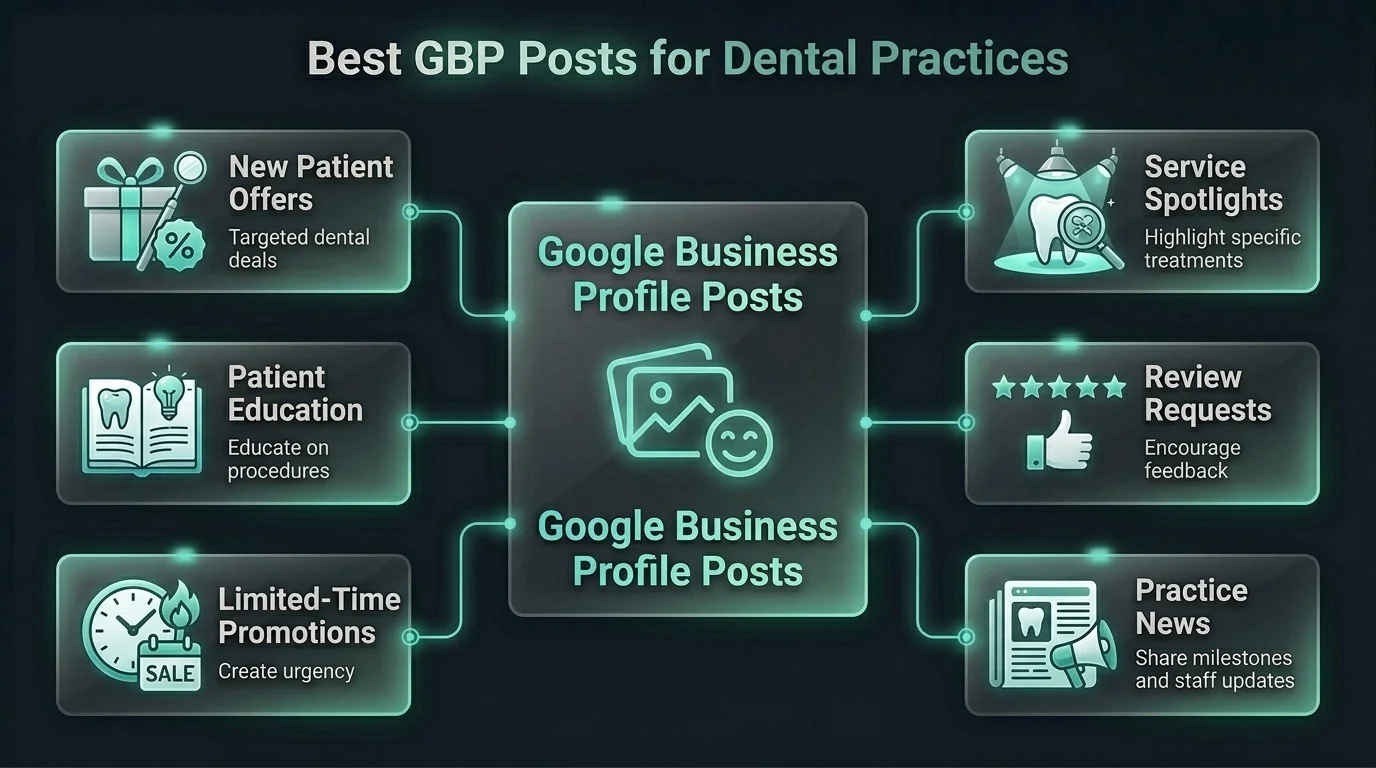 Figure 4: Formatting a Google Business Profile post with target keywords, geo-modifiers, and localized calls-to-action increases search utility.
 Connecting GBP Posts to Your Full Dental SEO Strategy
GBP posts do not exist in isolation. They are one piece of a complete dental SEO and dental marketing system. When GBP posts are connected to the rest of your strategy, their impact multiplies.
When you write a GBP post about dental implants, link it to your dental implants service page. This drives traffic from your GBP to your website and gives Google a clear signal that your GBP and your website are aligned around the same service. That alignment strengthens your overall dental service page SEO and your Map Pack ranking at the same time.
When you write a GBP post promoting a limited time offer, make sure the corresponding offer is also live on your website and is being promoted through your email marketing and SMS marketing automation sequences. Multi-channel consistency makes every promotional campaign more effective and gives you more data to measure marketing ROI, helping you track standard dental local SEO costs.
When you write a patient education post, base it on a blog article you have published on your website. Link the GBP post to the full blog article. This drives website traffic, builds your content authority for search engine optimization for dentists, and creates a coherent content ecosystem that Google and AI engines can follow and index from multiple entry points, leveraging systematic internal linking.
This kind of integrated approach is what dental SEO strategies look like when they are built to perform at the highest level. A dental SEO expert or dental marketing agency that manages your GBP posts as part of a broader strategy will consistently outperform one that treats each channel as a separate, disconnected effort. Remember to periodically evaluate your profile setup using a comprehensive local SEO audit guide.
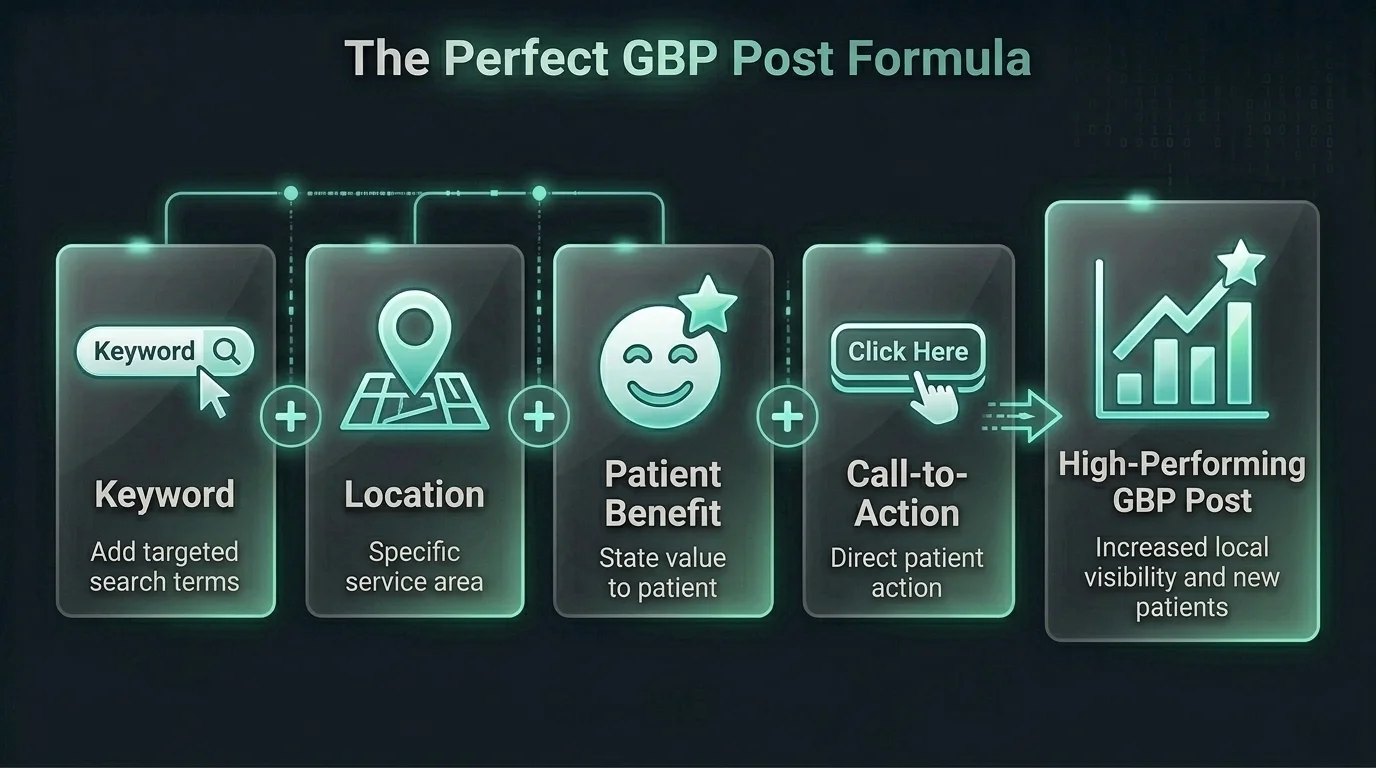 Figure 5: Integrating GBP posts into your website's internal link topology multiplies organic keyword authority.
 GBP Posts and AI Search: Why This Matters More Than Ever
Here is something that many dental practices and even some dental SEO companies have not fully accounted for yet: traditional SEO is no longer enough to reach every patient who is searching for a dental practice.
Patients are increasingly using AI-powered platforms to find answers to their health and dental questions before they search on Google at all. ChatGPT, Perplexity AI, Google Gemini, Microsoft Copilot, and SearchGPT are now answering questions like "Who are the best dentists for dental implants in [city]?" and "What does a teeth whitening treatment involve?" directly, without sending patients to a list of websites.
These AI platforms pull from verified, structured, authoritative content when they generate answers. Your GBP posts, when written with clear language, specific service mentions, and local context, are part of the content ecosystem that AI engines index and cite. A well-written GBP post that explains a specific dental procedure or highlights a local dental service is exactly the kind of structured, direct content that platforms like Perplexity AI and SearchGPT look for when generating answers to patient questions.
This is where AI Search Optimization for Dentists, including Generative Engine Optimization (GEO) and Answer Engine Optimization (AEO), becomes directly relevant to your GBP posting strategy.
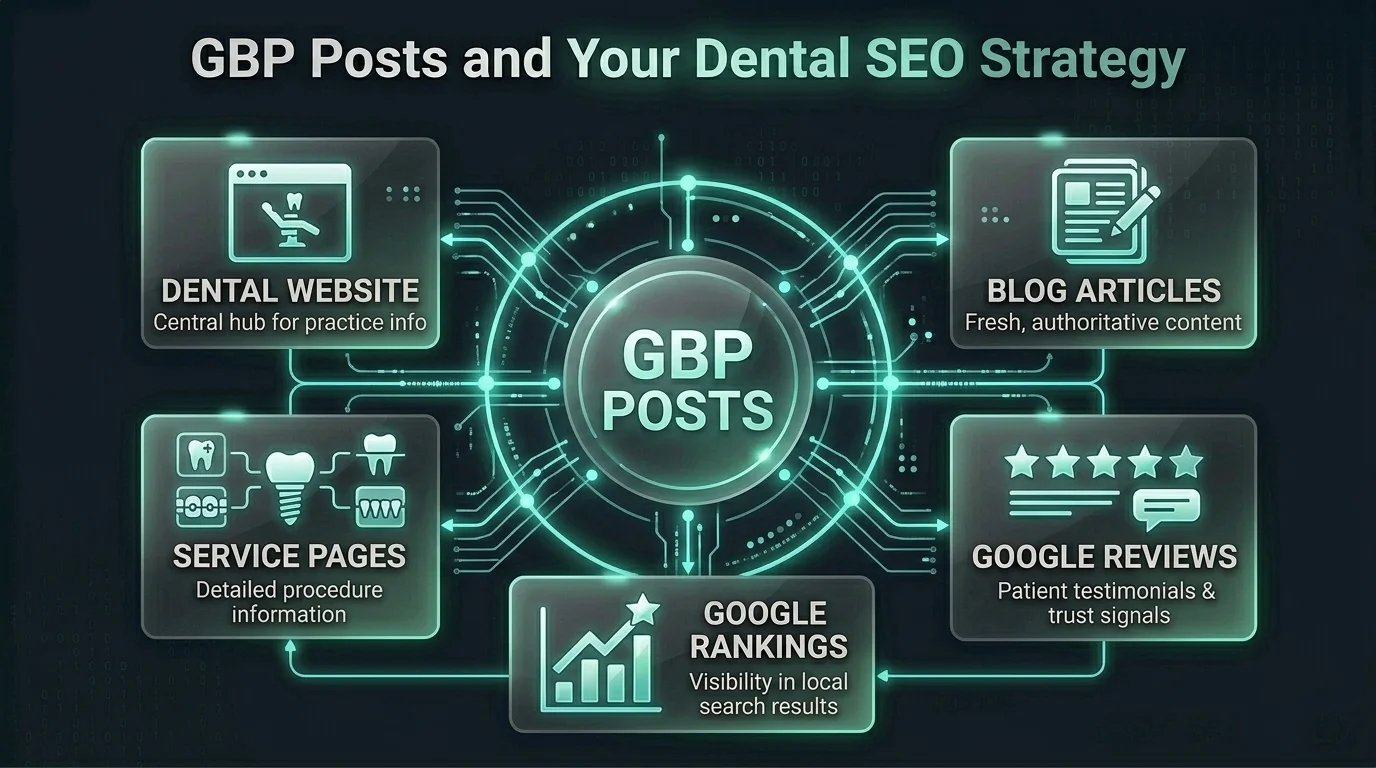 Figure 6: Modern search extends to AI answer engine directories where structured GBP posts feed direct answers.
 What GEO Means for GBP Posts at a Dental Practice
Generative Engine Optimization (GEO) is the strategy of making sure your entire online presence, including your GBP posts, is structured so that AI language models recognize your practice as a verified, credible, and authoritative source.
For GBP posts, GEO means writing content that is clear, specific, and consistent with the rest of your practice's online identity. When your GBP posts mention dental implants and your website has a dedicated dental implants page and your reviews mention implants by name, AI engines see a consistent pattern that confirms your practice as an implant provider. That consistency is what GEO is built on, helping establish your dentists as trusted authorities under Google's clinical E-E-A-T rules.
GEO also means making sure your practice name, location, and services are mentioned clearly in your posts so that AI engines can extract structured information from your content without having to guess or infer. The clearer and more consistent your online content is, the more confidently AI engines can cite your practice when answering a relevant patient question.
What AEO Means for Dental Practices Publishing GBP Posts
Answer Engine Optimization (AEO) is the strategy of writing content that becomes the direct answer AI platforms serve when patients ask specific questions.
When a patient asks Perplexity AI "What is the cost of dental implants in [city]?" or asks ChatGPT "Which cosmetic dentist near me offers veneers and teeth whitening?", those platforms are looking for the clearest, most direct, most trustworthy answer they can find. If your GBP posts contain clear, specific, well-structured content that answers those questions, your practice becomes a candidate to be cited in that answer, supporting your zero-click strategy.
AEO for dental GBP posts means writing each post as if it is answering a specific patient question. Instead of writing "We offer great dental care at our practice," write "Our dental practice in [city] offers same-day dental implant consultations for patients who want to replace missing teeth quickly and comfortably." The second version is more specific, more keyword-rich, more useful to patients, and far more likely to be indexed and cited by AI engines.
Every post you write as a clear, direct answer to a patient question is a step toward AEO visibility on ChatGPT, Perplexity AI, Google Gemini, and SearchGPT.
How GBP Posts Help Get Your Dental Practice Cited by AI Platforms
Getting cited by AI platforms does not require a complex technical strategy. It requires consistently publishing clear, structured, authoritative content across every channel where your practice exists online. Your GBP posts are part of that content ecosystem.
When your GBP posts regularly mention your services, location, and patient outcomes in clear plain language, AI engines can index that content as structured data about your practice. Over time, this builds a stronger entity profile for your practice in the AI knowledge base.
When your GBP posts link to corresponding pages on your website, AI engines can follow those links and index the deeper content on your service pages and blog posts. The more pathways that lead to your content, the stronger your presence in the AI knowledge graph becomes.
When your GBP posts stay consistent with the information on your website, your reviews, and your other online listings, AI engines see a coherent, trustworthy practice identity that they can confidently cite without risk of presenting inaccurate information to patients.
To ensure AI search crawlers can index your profile data accurately, write posts that reference structured question formats. This aligns with your website's schema markup setups, including custom markup implemented via our schema markup implementation guide and FAQ schema.
Practices that commit to regular, well-written, strategically consistent GBP posting as part of a complete dental marketing strategy will be among the first dental practices in their markets to achieve consistent AI citation across ChatGPT, Perplexity AI, Google Gemini, Microsoft Copilot, and SearchGPT.
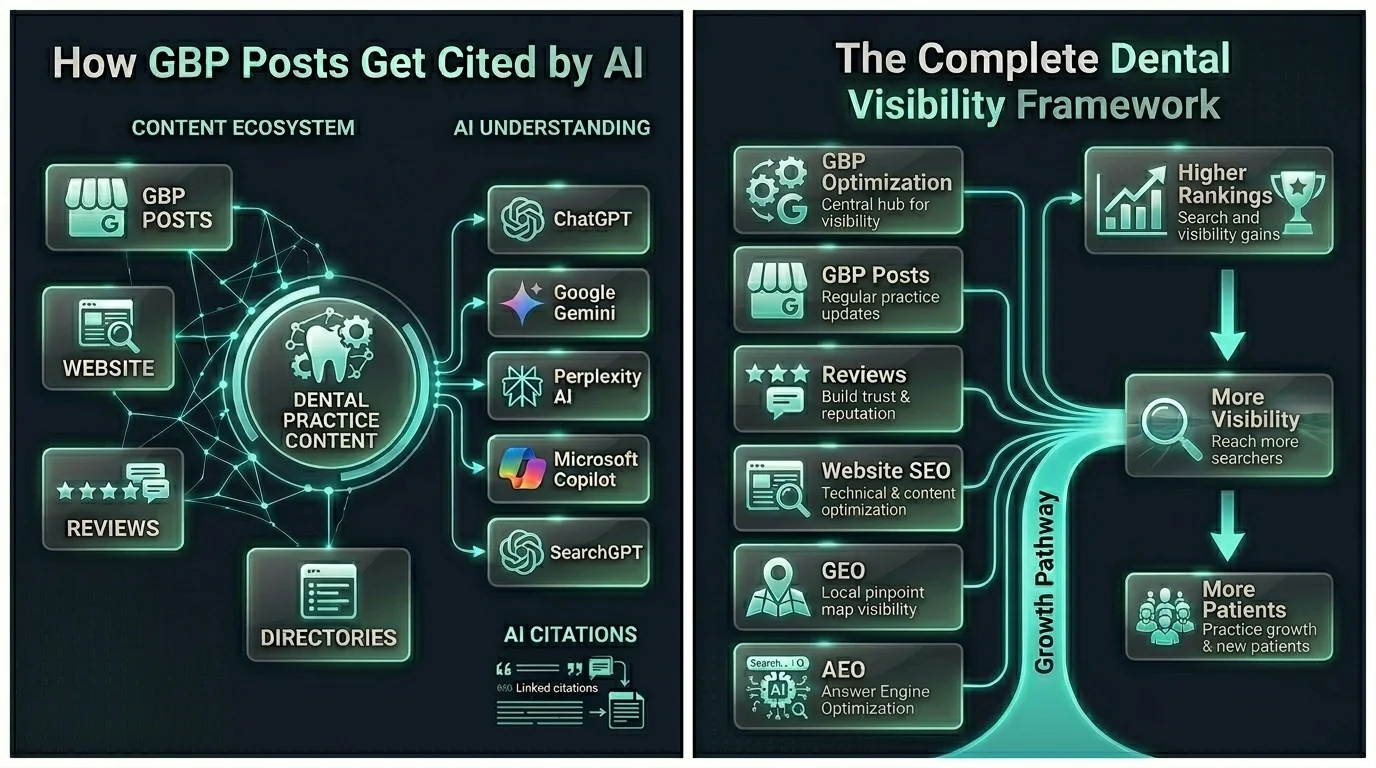 Figure 7: Clear, structured postings provide the clean source material that conversational search engines reference to quote your clinical services.
 Measuring the Impact of GBP Posts on Your Dental SEO Results
Once you start posting consistently, you need to measure what is working so you can do more of it. Data-driven marketing is at the foundation of every effective dental practice growth strategy.
Make sure you are systematically tracking dental SEO results. Monitor primary local SEO KPIs, set up professional call tracking, configure Google tools using our search console guide, complete a dedicated GA4 setup, utilize advanced rank tracking tools, compile results in an SEO reporting dashboard, and utilize the best dental SEO tools.
Google Business Profile Insights gives you data on how your posts are performing. You can see how many views each post receives, how many clicks on your call-to-action buttons come from posts, and how post engagement compares across different content types.
Use that data to identify which post types drive the most patient actions. If your dental implant posts consistently drive more calls than your general health education posts, produce more implant-focused content. If your limited time offer posts drive more website clicks than your announcement posts, structure more of your content as offers.
Track your GBP performance alongside your broader dental marketing analytics. Work with a dental SEO agency or dental marketing agency that provides a complete marketing dashboard with cloud-based reporting so you can see how your GBP posts are contributing to your overall Google Maps visibility, your website traffic, your new patient acquisition, and your practice revenue.
Closed-loop attribution that connects a patient who clicked a GBP post to a booked appointment to a completed treatment is the gold standard in dental marketing measurement. The best dental SEO companies offer this level of tracking because it is the only way to truly know the return on investment of every channel in your strategy.
Conclusion: GBP Posts Are One of the Smartest Investments in Dental SEO
Google Business Profile posts are free to create, fast to publish, and powerful in their cumulative impact on local SEO for dentists. They keep your listing active, add keyword-relevant content to your profile, give patients reasons to choose your practice, and contribute to the AI-visible content ecosystem that is becoming increasingly important for dental practice growth.
The dental practices winning the most new patients right now are not doing one thing perfectly. They are doing many things consistently. GBP posts are one of those things. Combined with a fully optimized GBP listing, strong online reputation management, high-quality dental website SEO, strategic Google Ads and Facebook Ads campaigns, and forward-thinking GEO and AEO strategies, regular GBP posting becomes part of a complete dental marketing engine that works around the clock to bring patients to your door.
If you are launching a new office, refer to our comprehensive guides on local SEO for a new dental practice. We will help you build from scratch, follow our GBP setup for a new practice guidelines, navigate building citations with no prior history, generate your first reviews, and tick off all points in our website SEO checklist.
For larger brands, explore local SEO for dental groups and DSOs. Our specialists assist in managing multiple GBP listings, maintaining unified NAP consistency for DSOs, launching localized local landing pages, configuring centralized review management for DSOs, and reporting with customized DSO SEO reporting systems.
Analyze your budget allocation by comparing local SEO vs Google ads for dentists and check off items on our dental local SEO checklist. If you are struggling with a dental practice not showing on Google Maps, we can help troubleshoot your issues.
Traditional dental SEO alone is no longer enough. The future of search engine optimization for dentists includes consistent content publishing that speaks to both traditional Google search and the AI platforms patients are using more every day.
Start posting on your GBP today. Post consistently, write clearly, include your services and your location, and always give patients a direct next step to take. Do that every week and you will see your Google Maps visibility, your local search rankings, and your new patient acquisition grow steadily over time.
If you want a complete dental SEO marketing strategy that includes GBP post management, AI search optimization, and full dental practice growth support, connect with a dental SEO agency that specializes in results-driven dental marketing services. A practice growth assessment is the best way to find out exactly where your practice stands and what it will take to reach the next level.
Frequently Asked Questions
Google Business Profile posts are short updates, promotions, offers, or event announcements that appear directly on your Google Maps and Google Search listings to provide searchers with timely information.
We recommend publishing at least once per week. For competitive markets, posting 2 to 3 times per week is ideal to maximize relevance signals and maintain an active listing.
Yes, GBP posts add keyword-rich content directly to your business profile. Google reads these terms as additional context about your specialties, supporting your local maps and search relevance.
AI engine search crawlers look for clear, structured, and consistent answers across the web. Well-written GBP posts providing direct details about your services act as reliable inputs for AI platforms citing sources.
GBP posts can be up to 1,500 characters, but the optimal length is between 100 and 300 words (approx. 500-1,000 characters). This length is easy for mobile users to scan quickly.

Ready to Dominate Local & AI Search?
Navigating the complexity of Local Map Packs, traditional search rankings, and emerging AI engine visibility can be difficult. Schedule a practice growth audit with our dental SEO specialists today. We will analyze your practice listings, audit your competitor strategies, and layout the exact plan needed to capture high-value cases.
Schedule Growth Assessment