Key Takeaways
Reporting local SEO for a DSO or dental group is not the same as reporting for a single practice. You have multiple locations, multiple markets, and multiple sets of data that all need to be tracked, compared, and acted on. This guide covers exactly what to measure, how to build a reporting system that works at scale, and why your dental SEO reports need to include AI search visibility metrics that most dental groups are not yet tracking.
- Granular Tracking: DSO metrics must be tracked at both the individual location level and consolidated group-wide.
- GBP Signals: Local map interactions remain the strongest indicators of local visibility and patient acquisition intent.
- Financial Attribution: Correlating search impressions directly to scheduled chairs and collected revenue is essential.
- AI Engine Presence: Auditing citations and data structures for recommendations in ChatGPT and Gemini is standard.
- Why SEO Reporting for Dental Groups Is Different
- The Key Metrics Every DSO Should Track for Local SEO
- Building a Reporting Dashboard for Multi-Location Dental SEO
- Comparing Location Performance to Identify Gaps and Opportunities
- Connecting SEO Data to Practice Revenue
- Reporting on AI Search Visibility for Dental Groups
- How Often Should DSOs Report on Local SEO Performance
- Final Thoughts: Data Driven Dental SEO Is How Groups Scale
- Frequently Asked Questions
Why SEO Reporting for Dental Groups Is Different
A solo dental practice can track its SEO performance with a few basic tools and a monthly check of its Google Business Profile insights. A DSO or dental group with multiple locations needs something far more structured (learn about local SEO for dental groups and DSOs).
Each location in your group is competing in its own local search environment. The keyword rankings, Google Maps visibility (such as the Google Map Pack), review counts, and website traffic for your Downtown office are completely separate from those for your Northside office. Reporting that lumps all of this together into a single number hides the information you actually need to make good decisions. Use a structured dental local SEO checklist as a baseline.
Effective local SEO reporting for dental groups gives you visibility into what is happening at every location individually, while also showing you how the group is performing as a whole. This two level view, location by location and group wide, is what makes your marketing analytics actually useful for driving practice growth.
Without this kind of reporting, you are making marketing budget decisions without knowing which locations are thriving in local search and which ones are falling behind. That leads to misallocated spending, missed growth opportunities, and preventable revenue loss across your group.
The Key Metrics Every DSO Should Track for Local SEO
Before you can build a useful reporting system, you need to know which metrics actually matter for dental local SEO marketing (compare our dental local SEO cost breakdown). Here are the core data points you should be tracking for every location every month:
- Google Business Profile performance: For each location, track the number of profile views, the number of search queries that triggered the profile, the number of direction requests, the number of phone calls made directly from the profile, and the number of website clicks from the profile (review how to read GBP insights, manage GBP photos, publish GBP posts, and implement a GBP setup guide).
- Google search keyword rankings: Track where each location's website pages rank for their primary dental SEO keywords in that specific local market. A location targeting "dental implants in Northside" should have its ranking for that term tracked separately from a location targeting "dental implants in Westside." Keyword rankings tell you whether your dental search engine optimization is producing visibility in organic search results. Refer to our guide on dental keyword research.
- Website traffic by location: If each location has its own landing page on your dental website, track organic traffic to each page separately. Look at how many visitors each location page receives from Google search and how many of those visitors take a booking action. This connects your dental website SEO performance directly to new patient leads.
- Review metrics: For each location, track total Google review count, current star rating, number of new reviews received in the past month, and review response rate (maintaining HIPAA compliance when you respond to reviews or handle negative reviews). Compare these metrics across locations to identify which offices are building strong review profiles and which ones need support. Read about dental practice reviews and the review generation system.
- New patient lead volume by location: Track how many phone calls, form submissions, and online bookings each location received from organic search. This is your conversion metric and it is the one that directly connects local dental SEO marketing performance to practice revenue. Track these with a local SEO KPIs framework.
- Cost per conversion from SEO: Divide your dental SEO investment for each location by the number of new patient leads that came from organic search. This gives you a return on investment figure that helps you evaluate the efficiency of your dental SEO spending at each office. Compare local SEO vs Google ads for dentists to balance your overall marketing budget.
 Figure 1: Core metric categories to integrate into location-level DSO reports.
 Building a Reporting Dashboard for Multi-Location Dental SEO
Tracking all of these metrics across multiple locations manually is not realistic. You need a marketing dashboard that consolidates data from all of your sources into a single view that is easy to read and act on.
A good local SEO reporting dashboard for a dental group pulls data from Google Business Profile, Google Search Console, Google Analytics, your review management platform, and your practice management software. It displays location level data alongside group level summaries so you can see both the detail and the big picture at the same time. Read our guide to GA4 setup for dental websites and our Google Search Console guide.
Cloud-based reporting tools allow your dental SEO agency, your internal marketing team, and your practice leadership to access the same data from anywhere. This is especially important for DSOs with offices in multiple cities or states where team members are not all in the same building. Use the best dental SEO tools like accurate rank tracking tools.
Build your dashboard to show month over month trends for every key metric. A single month of data tells you where things stand. A trend line tells you whether things are improving, declining, or staying flat. Trend data is what allows you to make proactive decisions rather than reactive ones. Track this carefully with a guide to tracking dental SEO results and structured DSO SEO reporting.
Set up automated monthly reports that go to location managers, regional directors, and executive leadership. Each audience may need a different level of detail. Location managers want to see their office's metrics. Regional directors want to compare performance across several offices. Executive leadership wants the group wide summary and the connection to practice revenue. Build your reporting to serve all three audiences without requiring someone to manually compile reports each month.
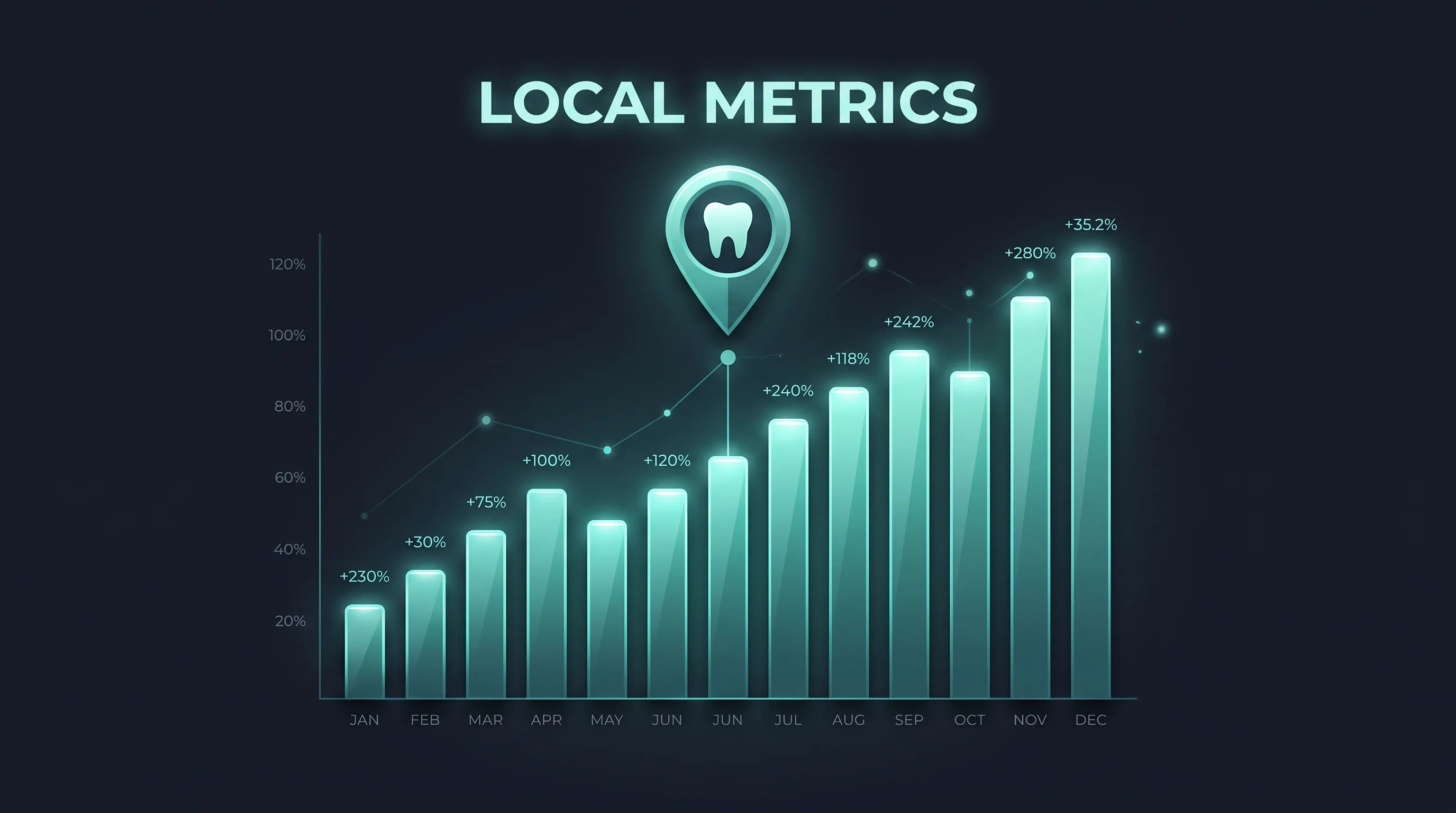 Figure 2: Custom group analytics platform consolidating multiple GBP profiles and domain insights.
 Comparing Location Performance to Identify Gaps and Opportunities
One of the most powerful things about multi-location dental SEO reporting is the ability to benchmark locations against each other. When you can see that one location is generating forty new patient leads per month from organic search and another similar office in a similar market is generating only twelve, you know exactly where to focus your attention.
Run a monthly location comparison report that ranks all of your offices by their key local SEO metrics. Include Google Business Profile views, keyword rankings, review count, new reviews in the past month, organic traffic, and new patient leads from search. Sort this data from highest to lowest for each metric so you can immediately see which locations are leading and which are lagging.
For the locations that are underperforming, dig into why. Is the Google Business Profile incomplete or inactive? Are reviews low or absent? Is the local landing page poorly optimized? Are citations inconsistent? Is the location in a particularly competitive market? Understanding the root cause of underperformance is the only way to fix it effectively. Compare locations to check NAP consistency across DSO locations, resolve issues using our guide on how to fix inconsistent citations, and check listing profiles on dental directories, optimizing for Healthgrades optimization and Zocdoc SEO. If a practice is not showing up in maps, troubleshoot using dental practice not showing on Google Maps.
For the locations that are performing well, identify what they are doing differently and apply those practices across the group. Strong performance at one location is a model you can replicate at others. This benchmarking approach is one of the most efficient ways to improve dental practice SEO performance across a large group. For group practices, managing directories and building backlinks are key (read about local link building for dentists, acquiring community backlinks, and establishing sponsorship links).
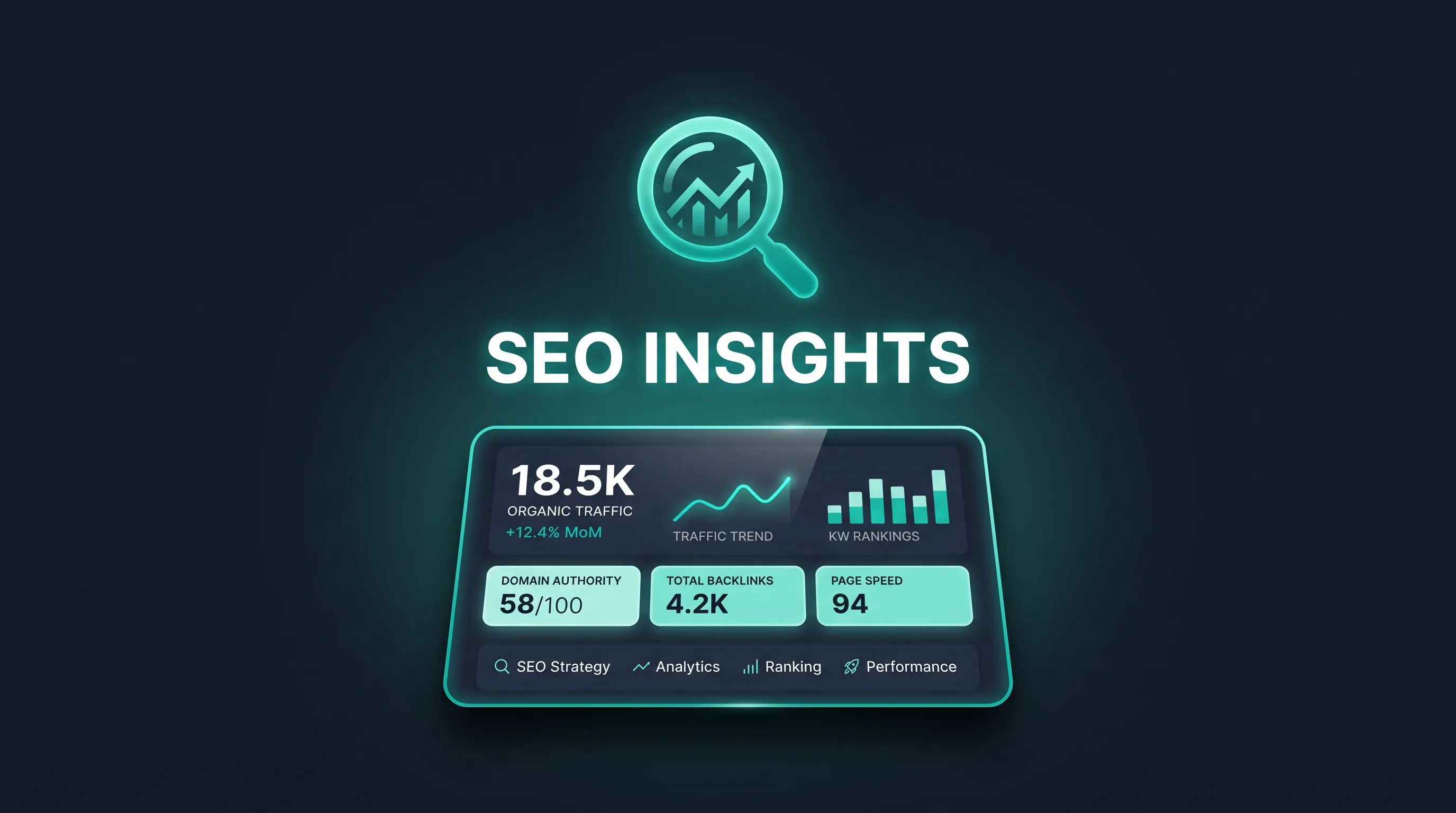 Figure 3: Benchmarking multiple practices side-by-side to determine optimization opportunities.
 Connecting SEO Data to Practice Revenue
Local SEO reporting becomes most powerful when it connects directly to practice revenue data. Tracking keyword rankings and website traffic is useful. Tracking how those rankings and that traffic translate into scheduled appointments and collected revenue is what makes dental SEO marketing accountable and investable.
Work with your practice management software to track new patient source data. When a new patient books an appointment, your team should record how they found the practice. If they found it through Google search, that lead should be attributed to your dental local SEO marketing efforts.
Closed-loop attribution connects the lead all the way from the first Google search to the scheduled appointment to the completed treatment to the collected revenue. This level of tracking requires integration between your marketing tools and your practice management software, but it produces the clearest picture of your dental SEO return on investment. If you are starting a new clinic, check our guides on building local visibility from scratch, configuring GBP setup for new clinics, building citations with no search history, collecting first reviews for a new practice, and using a website SEO checklist.
You should also trace leads coming to specific landing pages optimized for specialized services, such as dental implants (and dental implants cost page SEO), Invisalign (and Invisalign vs braces), cosmetic dentistry (such as teeth whitening and veneers), pediatric dentist SEO, sedation dentistry, root canal SEO, and orthodontist SEO.
Even without full closed-loop attribution, tracking calls from GBP, form submissions from location landing pages, and online bookings from organic traffic gives you a strong proxy for the revenue impact of your dental SEO strategy. Present this data in your monthly reporting alongside your keyword rankings and review metrics so that leadership can see the direct connection between SEO investment and practice production.
 Figure 4: Tying local clicks and map calls back to practice management system collections.
 Reporting on AI Search Visibility for Dental Groups
This is the section of local SEO reporting that most dental groups are not yet including but absolutely should be. AI search tools are becoming a meaningful source of new patient discovery and your reporting needs to reflect that.
AI tools including ChatGPT, Perplexity AI, Google Gemini, Microsoft Copilot, and SearchGPT are now being used by patients to find and evaluate dental practices. When a patient asks one of these tools for a recommendation, the AI pulls from verified online sources to generate its answer. Whether your dental group locations appear in those answers is now a measurable and manageable part of your dental SEO and digital marketing strategy. Take a look at our AI search optimization for dentists guide.
Begin tracking your AI search visibility by testing relevant queries in ChatGPT, Perplexity AI, and Google Gemini monthly. Search for your group name, your individual location names, and common patient queries for each of your markets. Note whether any of your locations are cited or recommended in the AI responses. Track this monthly to see whether your visibility in AI answers is growing as you improve your dental SEO foundations.
Generative Engine Optimization, or GEO, is the practice of structuring your online presence so that AI tools recognize, trust, and recommend your dental group. GEO performance can be tracked through regular AI query testing and through monitoring the structured data and citation quality of each location's online presence. A dental SEO agency that understands GEO will be able to include this in your monthly reporting, outlining Generative Engine Optimization targets and implementing schema markup (specifically LocalBusiness and Dentist schema and FAQPage schema).
Answer Engine Optimization, or AEO, focuses on the content side of AI visibility. Track whether your location pages, your FAQ content, and your blog posts are appearing in AI generated answers to patient questions. Content that appears in AI Overviews in Google, in Perplexity AI answer boxes, or in ChatGPT responses is delivering value that traditional keyword ranking reports do not capture. Read more about Google AI Overviews, how to appear in Google AI Overviews, how to get recommended by ChatGPT, and structuring a zero-click strategy.
 Figure 5: Measuring the frequency and position of your clinic listings in conversational AI results.
 How Often Should DSOs Report on Local SEO Performance
Monthly reporting is the right cadence for most DSO local SEO metrics. Monthly reports give you enough data to see meaningful trends while keeping the reporting cycle frequent enough to catch problems before they compound.
Some metrics warrant more frequent monitoring. Review activity and response should be checked weekly at every location. Google Business Profile suspensions or listing issues should be caught and addressed within days. New patient lead volume from organic search should be visible in a live dashboard at all times.
Quarterly deep dives are also valuable for dental groups. Once every three months, conduct a thorough review of keyword rankings across all locations, a full citation audit, a competitive analysis of local search rankings in each market, and an assessment of AI search visibility for the group. Quarterly reviews give you the perspective to adjust your dental SEO strategy and reallocate budget where it will produce the best results. Track these campaigns through SEO reporting, utilizing call tracking and near me keywords or geo modifier keywords. You can also leverage guest content (guest posting) and media mentions (press PR links) for local backlink growth.
 Figure 6: Combining monthly metrics cycles with quarterly deep-dives ensures campaign agility.
 Final Thoughts: Data Driven Dental SEO Is How Groups Scale
For DSOs and multi-location dental groups, local SEO reporting is not a reporting exercise. It is a strategic tool that drives better marketing decisions, better budget allocation, and better practice growth outcomes across every location in your group.
Build the dashboard. Track the right metrics. Compare locations. Connect performance to revenue. Add AI visibility to your reporting. And use all of this data to make your dental local SEO marketing smarter, more accountable, and more effective month after month. Start with a local SEO audit to identify low-hanging fruit, and optimize your listings for E-E-A-T for dental websites. Read our guide to managing multiple GBP listings, maintaining NAP consistency for DSOs, setting up local landing pages, and executing review management for DSOs.

Ready to Dominate Local & AI Search?
Navigating the complexity of Local Map Packs, traditional search rankings, and emerging AI engine visibility can be difficult. Schedule a practice growth audit with our dental SEO specialists today. We will analyze your practice listings, audit your competitor strategies, and layout the exact plan needed to capture high-value cases.
Schedule Growth Assessment