Key Takeaways
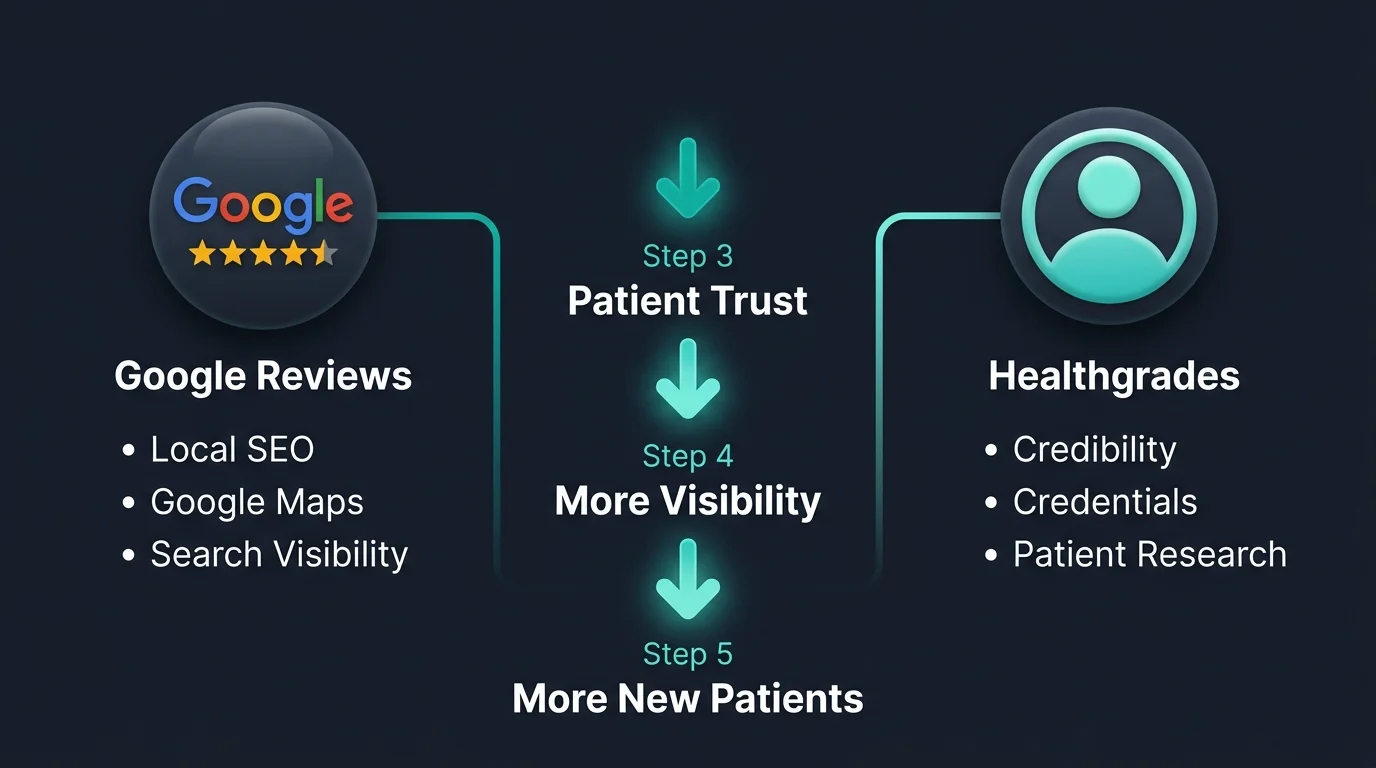
Every dental practice needs online reviews to grow. But not all review platforms work the same way. Here is a summary of the differences between Healthgrades and Google Reviews.
- SEO Priority: Google Reviews is the top driver of local SEO for dentists and helps your practice show up in search results.
- Credibility & Research: Healthgrades is a trusted healthcare directory that builds credibility with patients who are doing serious research.
- AI Search Visibility: Review profiles on both platforms feed data to AI search engines like ChatGPT, Perplexity, and Google Gemini.
- Dual-Platform Strategy: Smart dental practices use both platforms together to build a robust, trusted reputation.
- 1. Healthgrades vs Google Reviews for Dentists: Which One Actually Grows Your Practice
- Why Online Reviews Are the Foundation of Dental SEO
- What Is Healthgrades and How Does It Work
- What Are Google Reviews and Why They Lead Dental SEO
- Comparing Healthgrades and Google Reviews Side by Side
- How Both Platforms Feed AI Search Engines
- Getting Your Practice Cited by AI Tools
- Dental SEO Strategies That Use Both Platforms Together
- Local SEO for Dentists and the Role of Review Platforms
- What Dental Practices Often Get Wrong About Reviews
- The Future of Reviews and Dental SEO
- Final Thoughts
- Frequently Asked Questions
Every dental practice needs online reviews to grow. But not all review platforms work the same way. Healthgrades and Google Reviews are two of the most important platforms for dentists, and they serve very different purposes. Google Reviews is the top driver of local SEO for dentists and helps your practice show up in search results. Healthgrades is a trusted healthcare directory that builds credibility with patients who are doing serious research. This blog explains what each platform does, how they affect your dental SEO strategy, and why smart dental practices use both together. You will also learn how AI tools like ChatGPT, Perplexity AI, Google Gemini, and Microsoft Copilot are changing the way patients find dentists, and what you need to do right now to stay ahead.
1. Healthgrades vs Google Reviews for Dentists: Which One Actually Grows Your Practice
When patients look for a new dentist, they read reviews. That is just a fact of modern dental practice growth. But there are dozens of review platforms out there, and it can feel overwhelming trying to keep up with all of them. The two platforms that come up most often for dentists are Healthgrades and Google Reviews. Both matter. But they work differently, and understanding how each one affects your dental SEO and new patient acquisition can make a big difference in how you grow.
This guide is written in plain language. Whether you own a solo practice, manage a multi location dental group, or are building a startup dental practice from the ground up, this information applies to you.
Why Online Reviews Are the Foundation of Dental SEO
Before comparing the two platforms, it helps to understand why reviews matter so much for search engine optimization for dentists.
Google uses reviews as a ranking signal. When your dental practice has many positive reviews, Google sees your business as active, trusted, and relevant. This helps your practice rank higher in local search results. It helps you appear in the local map pack, which is the section of Google search results that shows the top three local businesses on a map. Getting into that map pack is one of the biggest goals of google map pack rankings and dental SEO in general.
Reviews also affect patient behavior. Studies consistently show that most patients read at least a handful of reviews before booking an appointment. A dental practice with 10 reviews and a 4.2 star rating is going to lose patients to a competitor with 120 reviews and a 4.8 star rating, even if both practices offer the same quality of care.
This is why dental SEO companies and dental marketing agencies put so much emphasis on review generation as part of a complete dental SEO strategy. Reviews are not just about reputation. They are a core part of dental search engine optimization.
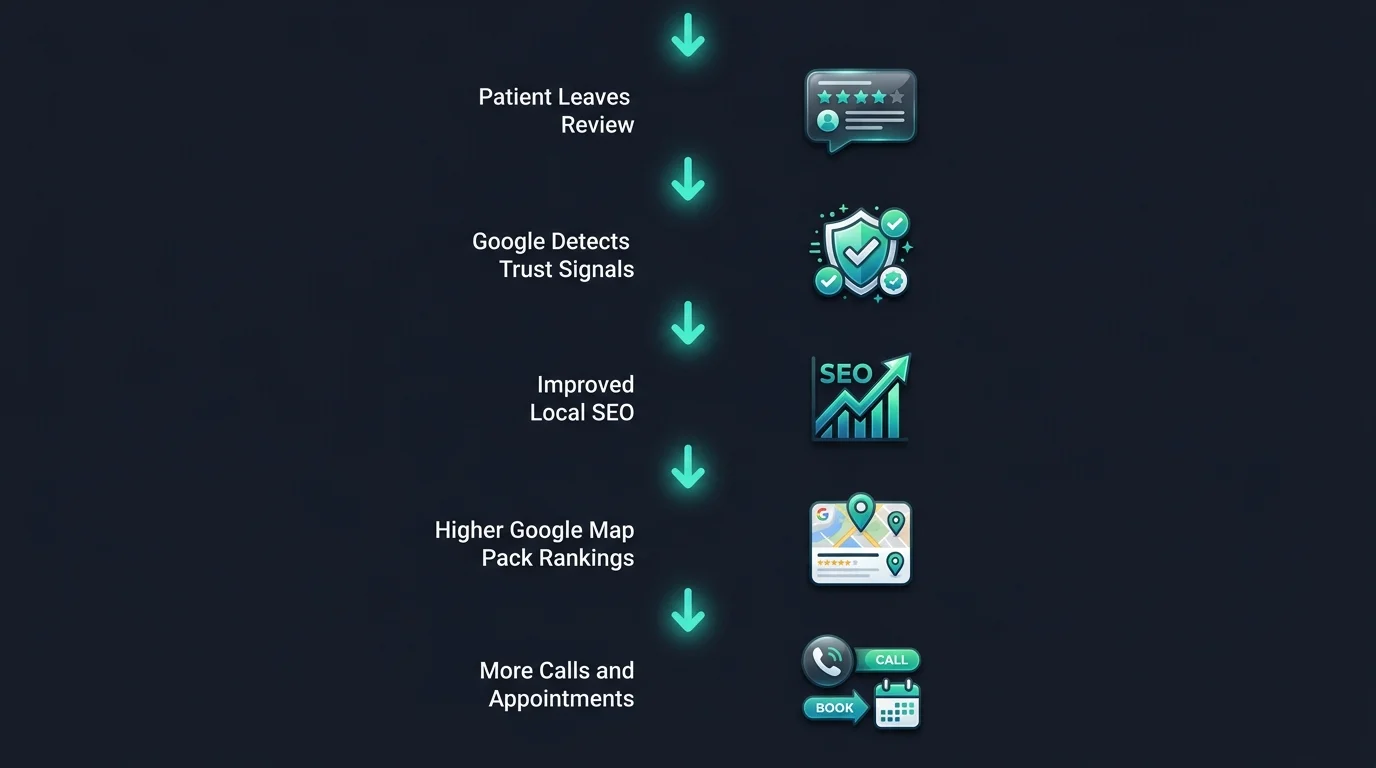 Figure 1: Review accumulation builds authority and signals active clinical operations to search algorithms.
 What Is Healthgrades and How Does It Work
Healthgrades is one of the largest healthcare review websites in the United States. It is specifically built for medical and dental providers. Patients can search for dentists by location and specialty, read detailed profiles, check credentials, and leave reviews. Healthgrades also pulls data from public sources to create provider profiles, even if the dentist has never signed up.
What makes Healthgrades different from Google is its audience. People who visit Healthgrades are often doing serious research. They want to know where a dentist went to school, what insurances they accept, and what other patients with similar needs experienced. These are often high intent patients who are close to making a decision.
For dental practices focused on high value patient acquisition, Healthgrades can be a very powerful tool. Patients looking for dental implants, cosmetic dentistry, or full arch cases often spend significant time on Healthgrades before choosing a provider.
Healthgrades also has strong domain authority, which means its pages often rank well in Google search results. When someone searches for "best dentist in Chicago" or "dentist near me reviews," Healthgrades pages frequently appear on the first page. This gives your practice a second chance to be found even if your own dental website is not yet ranking well.
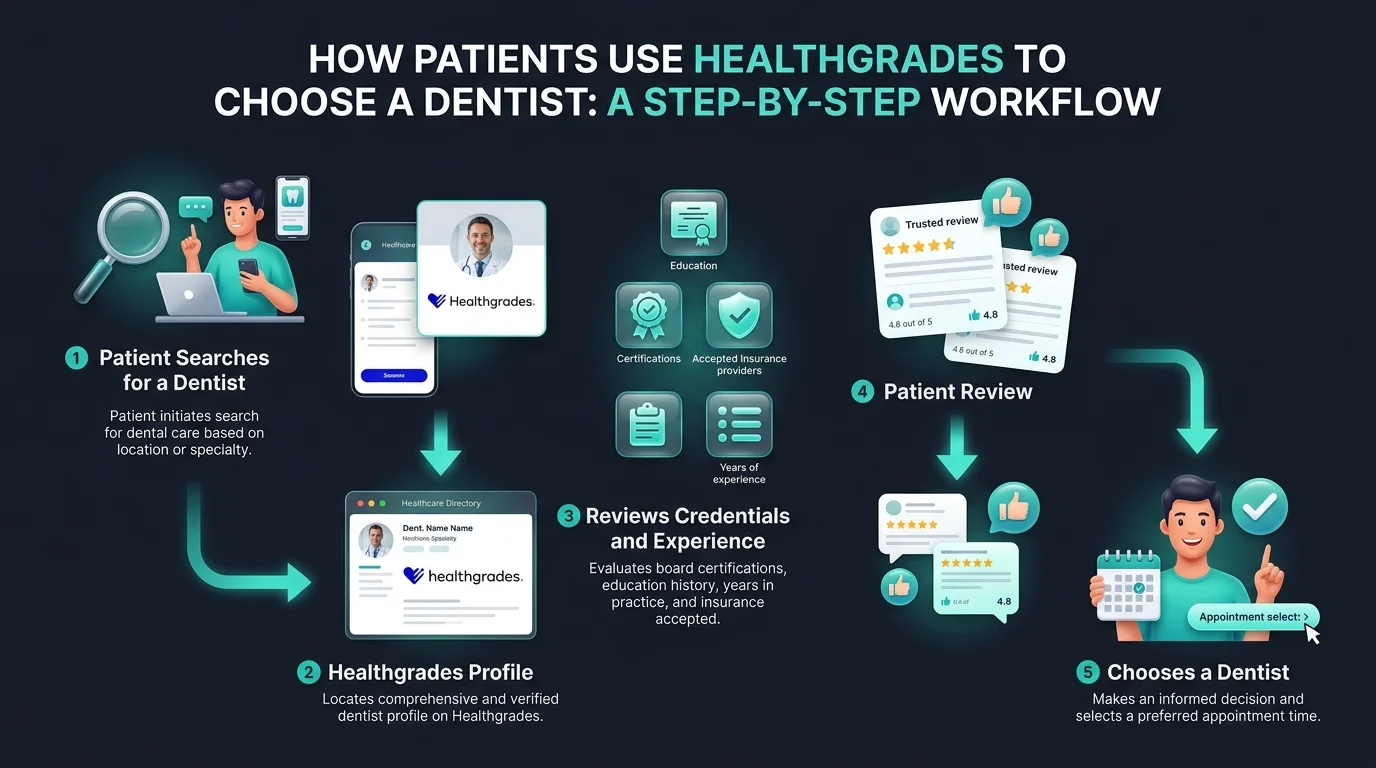 Figure 2: Healthgrades offers structured credentials verification and pulls high-intent clinical leads.
 What Are Google Reviews and Why They Lead Dental SEO
Google Reviews are the reviews that appear on your google business profile. When someone searches for your practice by name or searches for dentists in your area, your Google Business Profile appears with your star rating and review count. These reviews are visible immediately and require zero extra clicks.
Google Reviews are the most direct driver of local dental SEO. They influence your Google Maps ranking, your visibility in the local pack, and how AI tools like Google Gemini assess your practice. When a patient asks Google a question like "who is the best dentist near downtown Denver," Google pulls from Business Profile data, review content, and website signals to generate an answer. Practices with more reviews and higher ratings appear more often in those results.
For dental SEO strategies focused on local search, Google Reviews are non negotiable. A dental SEO specialist will almost always start here. Getting your patients to get more google reviews is one of the highest return activities in dental local SEO marketing.
Google Reviews also feed into AI powered search results. Google Gemini, which powers Google's AI Overviews, pulls heavily from verified Google Business data including reviews. If your practice has strong recent reviews with specific language about your services, location, and patient experience, you are more likely to appear in AI generated answers at the top of search results.
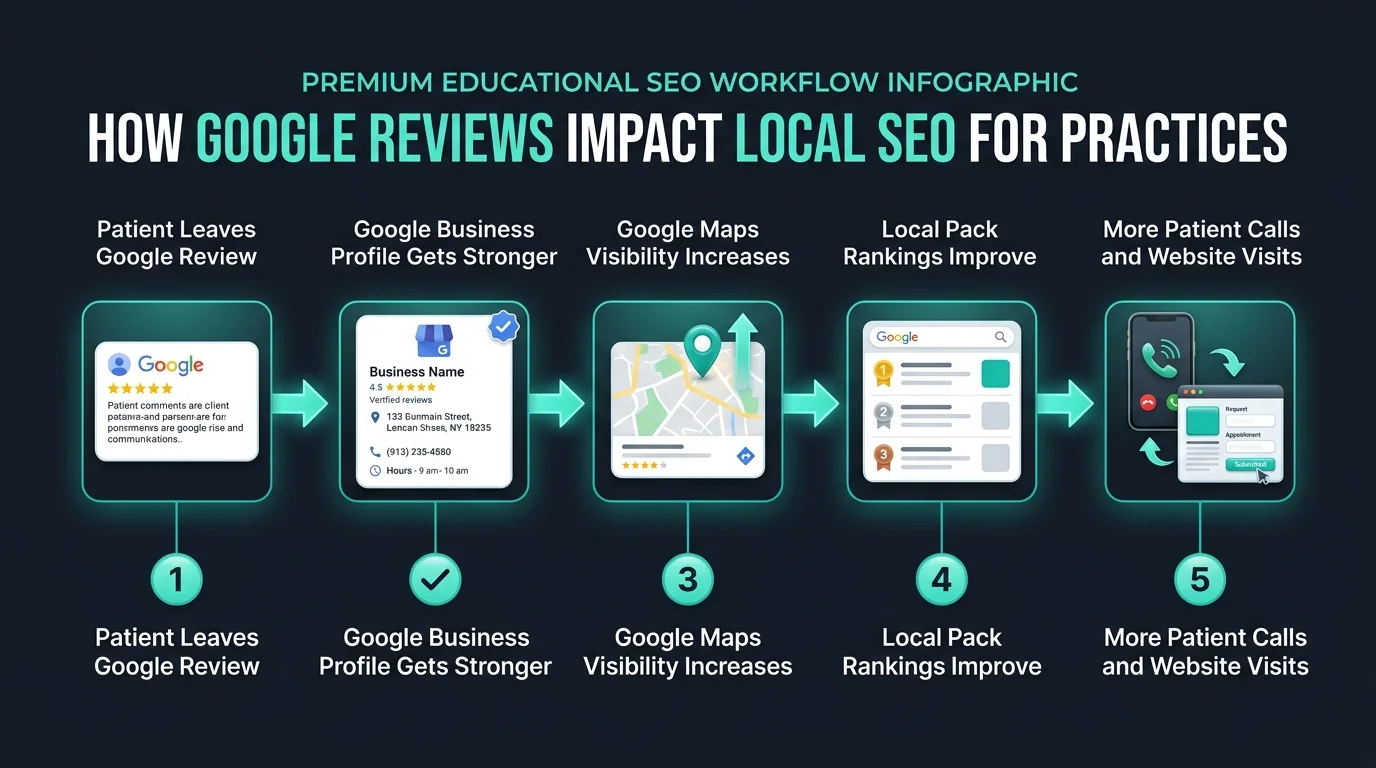 Figure 3: Direct integrations with search engines make Google reviews critical for organic map traffic.
 Comparing Healthgrades and Google Reviews Side by Side
Both platforms matter, but they serve different roles. Here is a direct comparison to help dental practice owners understand where each fits in a complete dental SEO marketing plan.
Google Reviews directly impacts your Google rankings and local SEO for dentists. It is visible in the most used search engine in the world. It is free, easy to manage, and tied directly to your Google Business Profile. Every dental SEO agency and dental SEO company will tell you that Google Reviews is the single highest priority review platform for dental practices.
Healthgrades impacts your credibility and reaches patients who are doing in depth research. It adds a second layer of online visibility because Healthgrades pages rank in Google search. It is especially valuable for dental practices that offer specialized services like dental implants, orthodontics, or cosmetic dentistry. Healthgrades profiles also appear in voice search results and AI generated answers when patients ask detailed healthcare questions.
If you only have time to focus on one, start with Google Reviews. But as soon as your practice has a solid base of Google Reviews, expanding to Healthgrades is a smart next step for dental SEO services that drive consistent new patient acquisition.
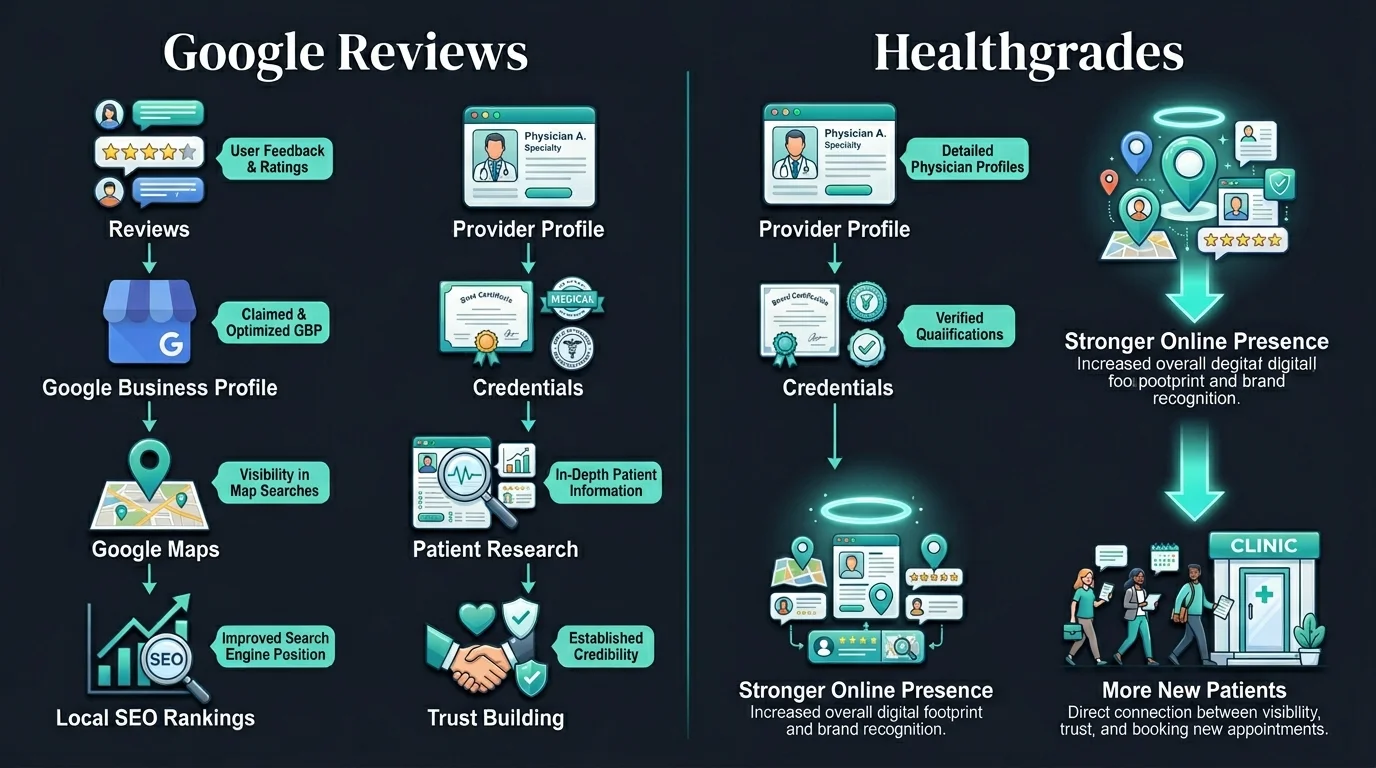 Figure 4: Google Reviews dominates local rankings, while Healthgrades offers deep-funnel patient trust.
 How Both Platforms Feed AI Search Engines
This is one of the most important things to understand right now. AI search engines are changing how patients find dental practices. Tools like ChatGPT, Perplexity AI, Google Gemini, Microsoft Copilot, and SearchGPT do not just show links. They give direct answers to patient questions.
When a patient asks ChatGPT "which dentist near me has the best reviews," that AI tool pulls from multiple sources. It looks at Google data. It looks at trusted directories like Healthgrades. It looks at your dental website. If your practice has strong reviews on both Google and Healthgrades, and your website has clear, structured information about your services and location, you are much more likely to be cited as a trusted source in that AI generated answer.
This is the core of what dental SEO experts call generative engine optimization, or GEO. It is also connected to Answer Engine Optimization, or AEO. Both of these strategies are about making sure your practice is visible not just in traditional Google search results but in AI powered answers across every major platform.
Dental practices that are not thinking about GEO and AEO right now are already behind. Traditional dental search engine optimization is no longer enough. The practices that will dominate new patient acquisition over the next five years will be the ones that show up in AI answers, not just on page one of Google.
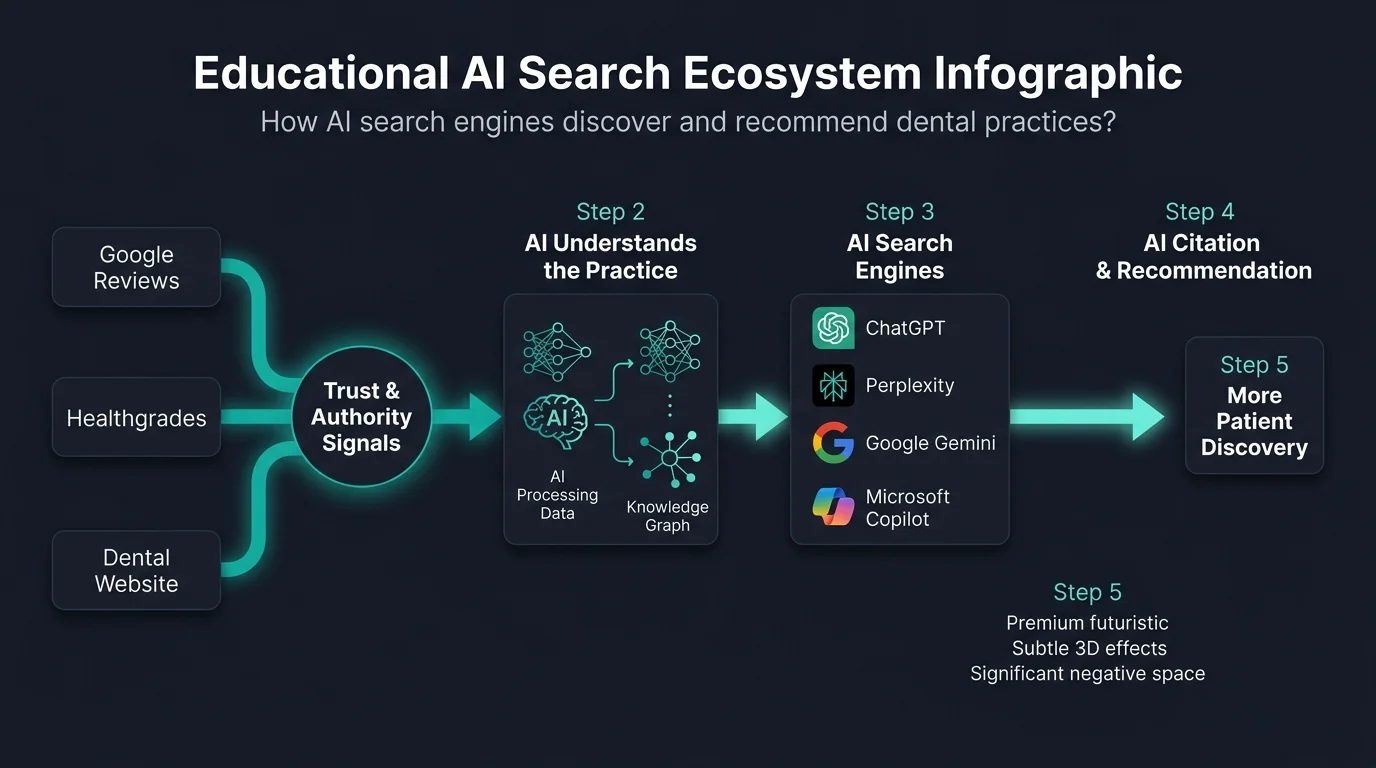 Figure 5: Search engines use directories and review platforms to formulate direct recommendations.
 Getting Your Practice Cited by AI Tools
To get cited by ChatGPT, Perplexity AI, Google Gemini, Microsoft Copilot, and similar tools, your dental practice needs to do a few specific things.
- Structure your dental website clearly: Use headings that answer patient questions directly. Write content in simple, direct language. Make sure your name, address, and phone number are consistent across your website, Google Business Profile, and Healthgrades profile. This nap consistency helps AI engines verify that your practice is real and trustworthy.
- Complete and update your Google Business Profile: This includes photos, services, hours, and regular responses to reviews. AI engines like Google Gemini pull directly from this data when generating local answers.
- Claim and complete your Healthgrades profile: If you have not claimed your Healthgrades profile yet, do it today. An unclaimed profile gives you very little control over what patients see. A claimed profile lets you add photos, update your credentials, respond to reviews, and make sure all your information is accurate.
- Optimize review content: When patients leave reviews that mention specific services, locations, or conditions you treat, that language becomes part of what AI tools read and understand about your practice. A dental SEO consultant can help you create review request strategies that naturally encourage patients to use specific language in their reviews.
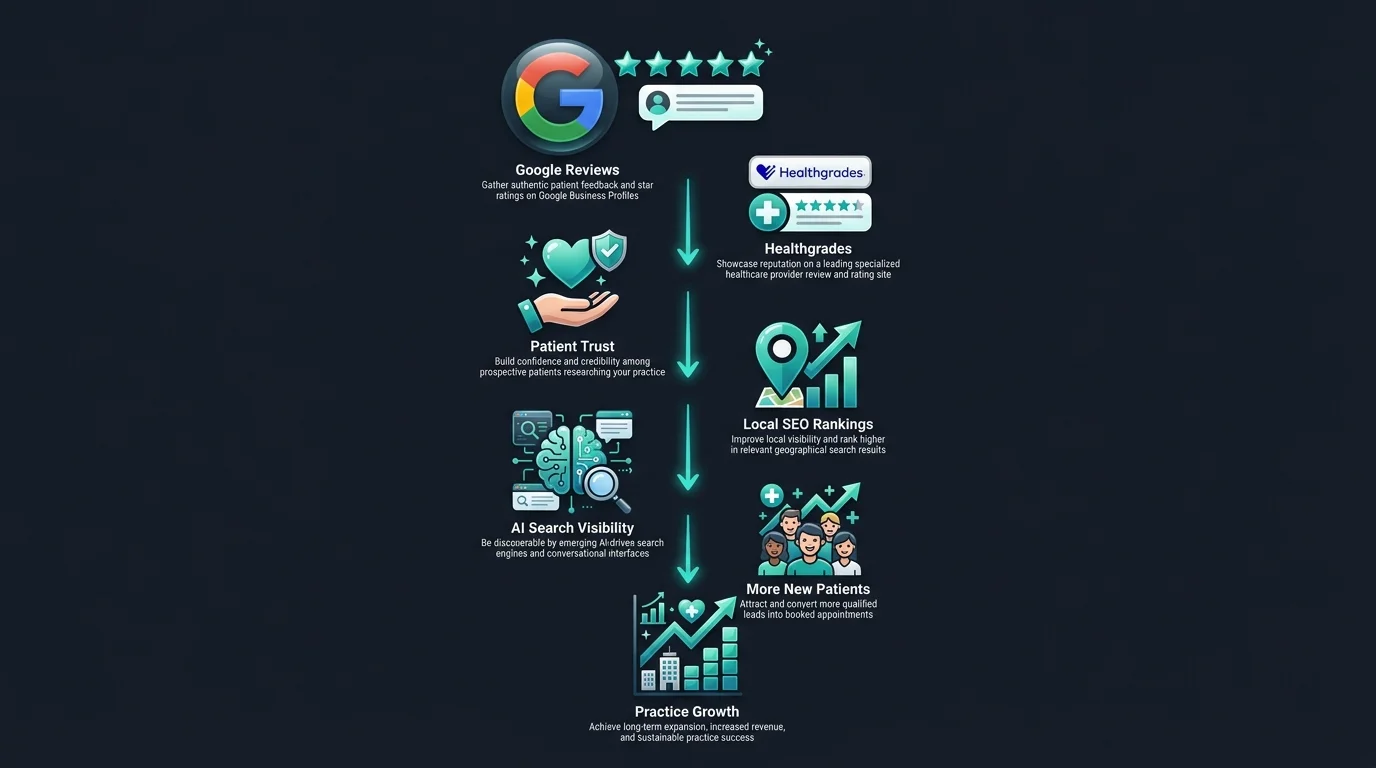 Figure 6: Generating consistent, optimized profiles and structured website data satisfies AI ranking metrics.
 Dental SEO Strategies That Use Both Platforms Together
The best dental SEO marketing approach uses Google Reviews and Healthgrades together as part of a broader online reputation strategy. Here is how a dental SEO agency would typically recommend building this out.
- Start with Google Reviews: Set up a simple, hipaa compliance review request process. Send patients a follow up text or email after their appointment with a direct link to your Google review page. Make it as easy as possible. Most patients are happy to leave a review if they had a good experience and the process takes less than two minutes.
- Transition to Healthgrades: Once you have a strong base of Google Reviews, typically 50 or more, start focusing on Healthgrades. Claim your profile. Complete every section. Add professional photos. Ask your best patients to leave a review there as well using a structured review generation system.
- Optimize your website: At the same time, make sure your dental website is optimized for dental SEO. This means fast loading pages, mobile friendly design, location specific content, and clear information about your services. A dental SEO specialist will also work on backlink building, metadata optimization, and content creation to improve your search rankings.
- Unify tracking and reporting: A complete dental SEO marketing service ties all of this together. It tracks where your reviews are coming from, how they are affecting your rankings, and where new patients are finding you. Data driven marketing lets you see exactly what is working and where to invest more.
Local SEO for Dentists and the Role of Review Platforms
Local search for dentists is more competitive than ever. Every city has dozens of practices competing for the same patients. Local SEO for dentists is about making sure your practice shows up first when those patients are looking.
Reviews are a massive part of that. Google looks at review quantity, review recency, and review quality. A dental practice with 10 old reviews will almost always rank lower than one with 100 recent reviews, even if the star ratings are similar. Recency matters because it tells Google that your practice is active and that patients are still choosing you.
Healthgrades adds an extra layer of visibility. When your Healthgrades profile ranks in Google for searches like "best cosmetic dentist in Atlanta" or "top rated implant dentist near me," you are getting free exposure to high intent patients. These patients are often ready to book. A well optimized Healthgrades profile can directly contribute to new patient acquisition without any additional paid advertising.
Dental SEO marketing services that include both review platform management and local SEO optimization give your practice the strongest possible foundation for steady practice growth.
What Dental Practices Often Get Wrong About Reviews
Many dental practices make mistakes that limit their local growth. Here are the most common pitfalls:
- Focusing all energy on one platform and ignoring others: Some practices collect hundreds of Google Reviews but have a neglected Healthgrades profile with outdated information. Others spend time managing Healthgrades but have only a handful of Google Reviews, which limits their local SEO.
- Not responding to reviews: Responding to reviews, both positive and negative, shows potential patients that you are engaged and that you care about patient experience. It also signals to AI search engines that your business is active. When dealing with reviews, always learn how to handle negative reviews compliantly.
- Treating review generation as a one-time task: Review generation needs to be an ongoing process. You need new reviews regularly because recency matters to both Google and AI tools. A dental marketing company or dental SEO service can set up automated review request systems that keep fresh reviews coming in every month without requiring extra work from your team.
The Future of Reviews and Dental SEO
The dental industry is moving fast. Patients are using AI tools more and more to make healthcare decisions. They are asking voice assistants for dentist recommendations. They are using Perplexity AI to compare providers. They are reading AI generated summaries of review platforms before they ever visit a dental website.
This means that dental search engine optimization in 2025 and beyond is about more than just ranking on Google. It is about being visible everywhere patients are searching, including inside AI generated answers. It is about being cited as a trusted source by ChatGPT and Google Gemini. It is about having a clean, consistent, and trustworthy online presence across Google, Healthgrades, your website, and every other platform where patients look.
Dental SEO strategies that ignore AI visibility are already outdated. The best dental SEO companies and dental SEO agencies are already building GEO and AEO into their service offerings. If your current dental marketing plan does not include strategies for getting cited in AI search results, it is time to have a serious conversation with your dental SEO consultant or dental marketing agency.
Final Thoughts
Healthgrades and Google Reviews both play important roles in growing a dental practice. Google Reviews is the single most important platform for local dental SEO and should always be the first priority. Healthgrades adds credibility, expands your online visibility, and reaches patients who are doing detailed research before booking.
But the real opportunity right now is combining both platforms with a forward thinking dental SEO strategy that includes AI visibility. Practices that show up in ChatGPT answers, Google AI Overviews, Perplexity results, and Microsoft Copilot recommendations are going to win the patient acquisition game over the next decade.
Start by claiming and optimizing both your Google Business Profile and your Healthgrades profile. Build a consistent review generation system. Work with a dental SEO agency that understands both traditional local SEO for dentists and the newer world of Generative Engine Optimization and Answer Engine Optimization.
The dental practices that take these steps now will have a major advantage over those that wait. Your online reputation is one of your most valuable practice assets. Invest in it wisely and it will keep paying off for years to come.
Complete Dental SEO & Local Growth Directory
Access our complete knowledge base of step-by-step guides to optimize your search engine visibility, rank in Google Map Packs, and get recommended by ChatGPT, Gemini, and search engines.
Google Business Profile
- Complete GBP Guide
- Step-by-Step Setup Guide
- Best GBP Categories for Dentists
- Google Map Pack Strategy
- GBP Weekly Posting Guide
- How to Respond to Reviews
- Google Map Photos Guide
- GBP Insights & Analytics
- How to Read GBP Insights
Reviews & Reputation
Local Citations
- Local Citations Guide
- Best Dental Directories List
- NAP Consistency Principles
- Fixing Inconsistent Citations
- Healthgrades Profile SEO
- Zocdoc SEO Strategy
Service Page SEO
- Service Page SEO Overview
- Emergency Dentist SEO
- Emergency Near Me Rankings
- Dental Implants Marketing
- Implant Cost Page SEO
- Invisalign SEO Strategy
- Invisalign vs Braces SEO
- Cosmetic Dentistry SEO
- Teeth Whitening Marketing
- Dental Veneers SEO
- Pediatric Dentist SEO
- Sedation Dentistry SEO
- Root Canal Treatment SEO
- Orthodontist SEO Strategy
Keyword Research
- Dental Keyword Research
- Geo-Modifier Keywords
- Near Me Keywords Strategy
- Long-Tail Keywords Guide
- Patient Search Intent
- Neighborhood SEO Pages
- Multi-Location SEO Pages
- Voice Search Optimization
Technical & Mobile SEO
Local Link Building
- Local Link Building Guide
- Community Backlinks Setup
- Local Sponsorship Links
- Press & PR Link Building
- Dental Guest Posting
AI Search & GEO/AEO
Frequently Asked Questions
Google Reviews is the single most important platform for local dental SEO, directly impacting your Google Maps ranking and Map Pack visibility. However, Healthgrades is a critical secondary directory that ranks highly in search results and builds deep clinical trust with high-value patients.
AI search engines like ChatGPT, Google Gemini, and Perplexity aggregate data from multiple online directories and profiles. A robust review footprint on both Google and Healthgrades increases the likelihood that AI tools will recommend and cite your dental practice.
Yes, you can implement HIPAA-compliant review generation systems that automate request text messages and emails to patients. These tools can rotate requests or direct patients to specific platforms to build a balanced online reputation.
Both Google algorithms and AI engine models prioritize fresh content. A steady velocity of recent reviews indicates to search tools that your practice is active, which helps maintain high local search positioning over competitors.
You can claim your profile directly on Healthgrades by verifying your provider details and clinical registration. Once claimed, you can update your office locations, services, professional bio, and respond to patient reviews.

Ready to Dominate Local & AI Search?
Navigating the complexity of Local Map Packs, traditional search rankings, and emerging AI engine visibility can be difficult. Schedule a practice growth audit with our dental SEO specialists today. We will analyze your practice listings, audit your competitor strategies, and layout the exact plan needed to capture high-value cases.
Schedule Growth Assessment