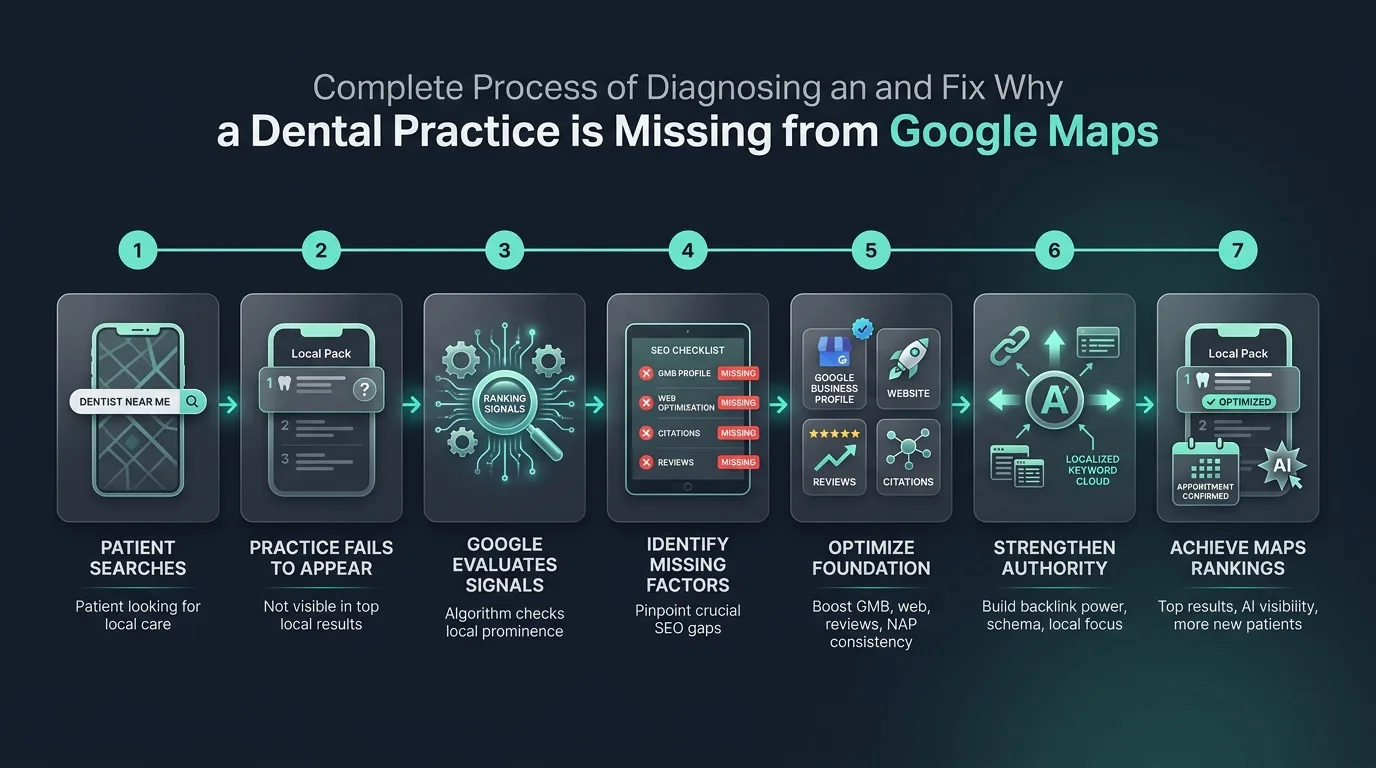
Key Takeaways
If your dental practice is not showing up in Google Maps, you are losing new patients every single day. Most people search for a dentist online before they ever pick up the phone. If they cannot find you, they will book with someone else. This blog breaks down the most common reasons your practice is missing from Google Maps and gives you clear steps to fix it. You will also learn how modern dental SEO strategies and AI-powered search tools are changing the way patients find dentists today.
- GBP Verification: A claimed and verified Google Business Profile is critical for Google Maps presence.
- Data Alignment: NAP (Name, Address, Phone) consistency across local directories prevents search engine confusion.
- Reputation Power: Active patient review generation is a top local maps ranking factor.
- AI Search Readiness: Generative Engine Optimization (GEO) prepares your dental website to be cited by AI engines like ChatGPT.
- Your Practice Is Invisible on Google Maps and It Is Costing You Patients
- Reason 1: Your Google Business Profile Is Not Set Up Correctly
- Reason 2: Your NAP Information Is Inconsistent
- Reason 3: You Have Too Few Reviews or Too Many Negative Ones
- Reason 4: Your Website Is Not Optimized for Local SEO
- Reason 5: You Are in a Highly Competitive Area
- Reason 6: You Have Not Built Any Local Backlinks
- Reason 7: Your Google Business Profile Has Not Been Updated Recently
- Reason 8: Your Practice Is Not Optimized for AI Search
- Traditional SEO Is No Longer Enough
- What to Do Right Now
- Frequently Asked Questions
Your Practice Is Invisible on Google Maps and It Is Costing You Patients
Google Maps is where most people find a dentist. When someone searches "dentist near me" or "dental office open now," Google shows a map with three local practices. That section is called the Local Pack. If your practice is not in it, most searchers will never know you exist.
This is not a small problem. Missing from the Local Pack means missing qualified leads, new patient appointments, and real practice revenue. The good news is that local SEO for dentists can fix this, and most of the reasons your practice is not showing are completely solvable.
Reason 1: Your Google Business Profile Is Not Set Up Correctly
The number one reason dental practices do not show on Google Maps is a missing or incomplete Google Business Profile. This free profile is the foundation of local dental SEO. Without it, Google has no way to connect your practice to local searches.
Check these things right now:
- Have you claimed your Google Business Profile? If not, go claim it today.
- Is your practice name, address, and phone number exactly correct?
- Is your category set to Dentist?
- Have you added your website, hours, and services?
An unclaimed or incomplete profile tells Google your practice is not active. If you are launching a new office, check our guide on GBP setup for a new practice and review the steps for local SEO for new dental practices to build local visibility from scratch. A complete profile tells Google exactly who you are, where you are, and who you serve. This is step one in any dental SEO strategy.
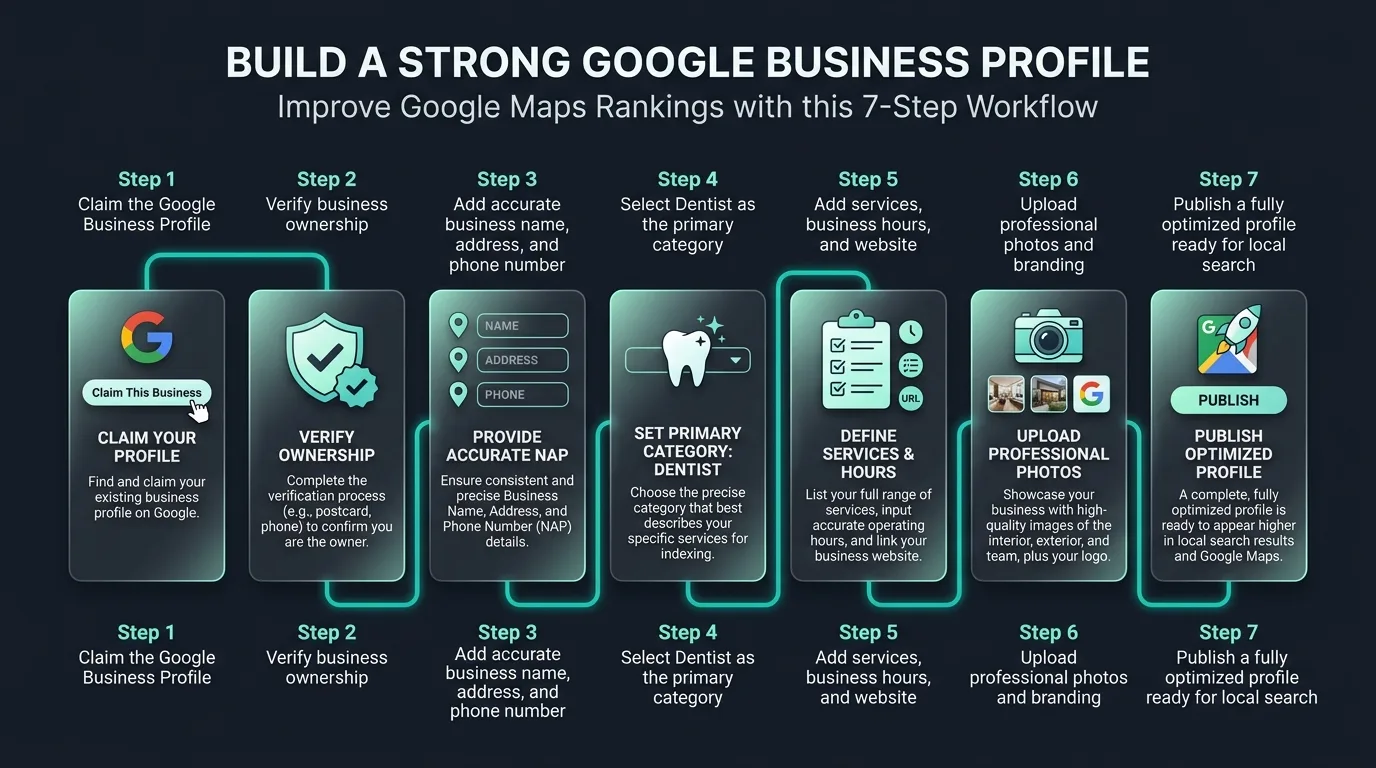 Figure 1: Claiming and verifying your dental practice listing is the foundation of local visibility.
 Reason 2: Your NAP Information Is Inconsistent
NAP stands for Name, Address, and Phone number. Google checks your NAP across dozens of websites to confirm your practice is real. If your address says "Suite 100" on your website but "Ste. 100" on Yelp, that inconsistency creates confusion. When Google is confused, it lowers your ranking or does not show you at all.
Fix this by checking every directory listing where your practice appears. Healthgrades, Zocdoc, Yelp, Bing Places, Facebook, and Apple Maps should all show the exact same NAP details. This is one of the most important dental SEO tips you will ever follow because it directly affects your Google Maps visibility.
Consistent citations are a core part of dental local SEO and help Google trust that your business information is accurate. Make sure to consult the best dental directories for reference. If you are a multi-location clinic or part of a dental support organization, maintaining NAP consistency across DSO locations requires dedicated management. Read our complete guide to local SEO for dental groups and DSOs to learn more about managing multiple GBP listings and establishing optimized local landing pages. You also need to ensure you build citations correctly for new sites by reading about citations with no history.
Reason 3: You Have Too Few Reviews or Too Many Negative Ones
Google uses reviews as a ranking signal for local search. Practices with more recent five-star reviews consistently outrank practices with fewer or older reviews. If your practice has fewer than ten reviews, or if your rating is below four stars, Google is less likely to show you in the Local Pack.
Here is what to do. Ask every happy patient to get more Google reviews before they leave your office. Send a follow-up text with a direct link to your review page. Make it as easy as possible.
Respond to every review. Responding shows Google and future patients that you are engaged and professional. Make sure you keep in mind HIPAA compliance and check our guide on how to handle negative reviews. A proper review generation system is a major part of reputation management and dental search engine optimization. It is not optional if you want to rank on Google Maps. Reviews on platforms like Healthgrades vs Google both play a key role in building local prominence. For group practices, specialized review management for DSOs is crucial to keep all locations active, and collecting first reviews for a new dental practice requires a dedicated approach.
Reason 4: Your Website Is Not Optimized for Local SEO
Your Google Business Profile and your website work together. If your website does not support your local SEO for dental efforts, your Google Maps ranking will suffer.
Your dental website SEO needs to include your city and neighborhood in your page titles, meta descriptions, and content. If you serve multiple areas or offer specialized treatments like dental implants, Invisalign (and comparing Invisalign vs braces), or cosmetic procedures like teeth whitening and veneers, you need location-specific pages and dedicated service pages for each one. Refer to our guides on emergency dentist SEO (including how to rank near me), orthodontist SEO, sedation dentistry, or root canal SEO to see how to optimize each treatment page, following our dental service page SEO guide.
Your website should also load fast, work on mobile devices (optimizing for Core Web Vitals), and have your address on every page in the footer. These are basic dental website optimization steps that many practices skip. Without a strong website backing up your Google Business Profile, your local dental SEO will always have a ceiling on how high it can go.
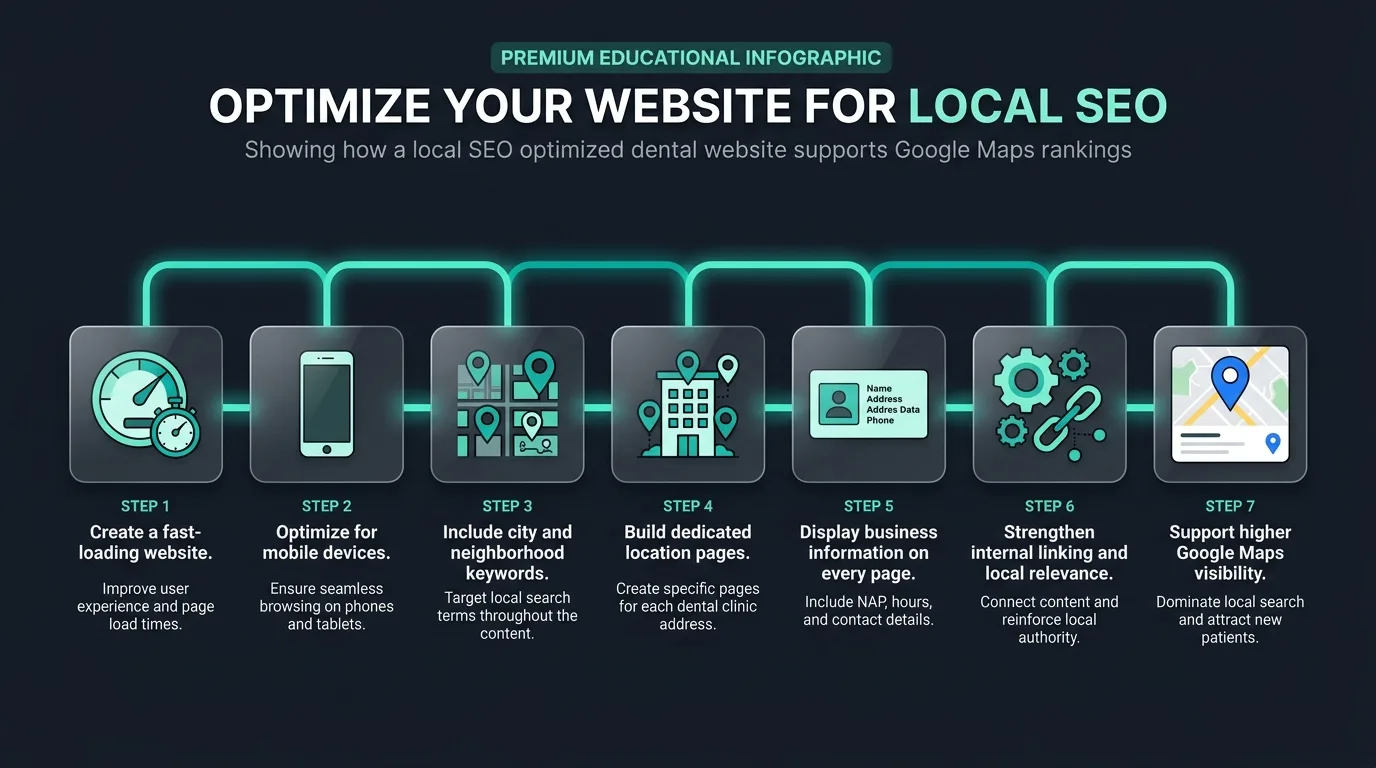 Figure 2: Ensuring your website's content and structure are optimized for local search intent.
 Reason 5: You Are in a Highly Competitive Area
Sometimes your dental practice is doing everything right but still not showing up because your area has a lot of competition. If five other dental offices are on the same street, Google has to pick which ones to show.
This is where advanced SEO for dentists comes in. You need to stand out with more reviews, better content, stronger backlinks, and a more complete profile than your competitors.
Work with a dental SEO agency or dental SEO specialist who understands competitive local markets. A good dental SEO company will analyze your competitors, evaluate their search intent, optimize for near me keywords and geo modifier keywords, and find gaps you can fill to gain an edge. Dental practice SEO in competitive markets requires a full strategy, not just one or two quick fixes. You can target neighborhood SEO pages or multi-location pages to stand out. Comparing local SEO vs Google ads for dentists is also a key step in deciding where to invest.
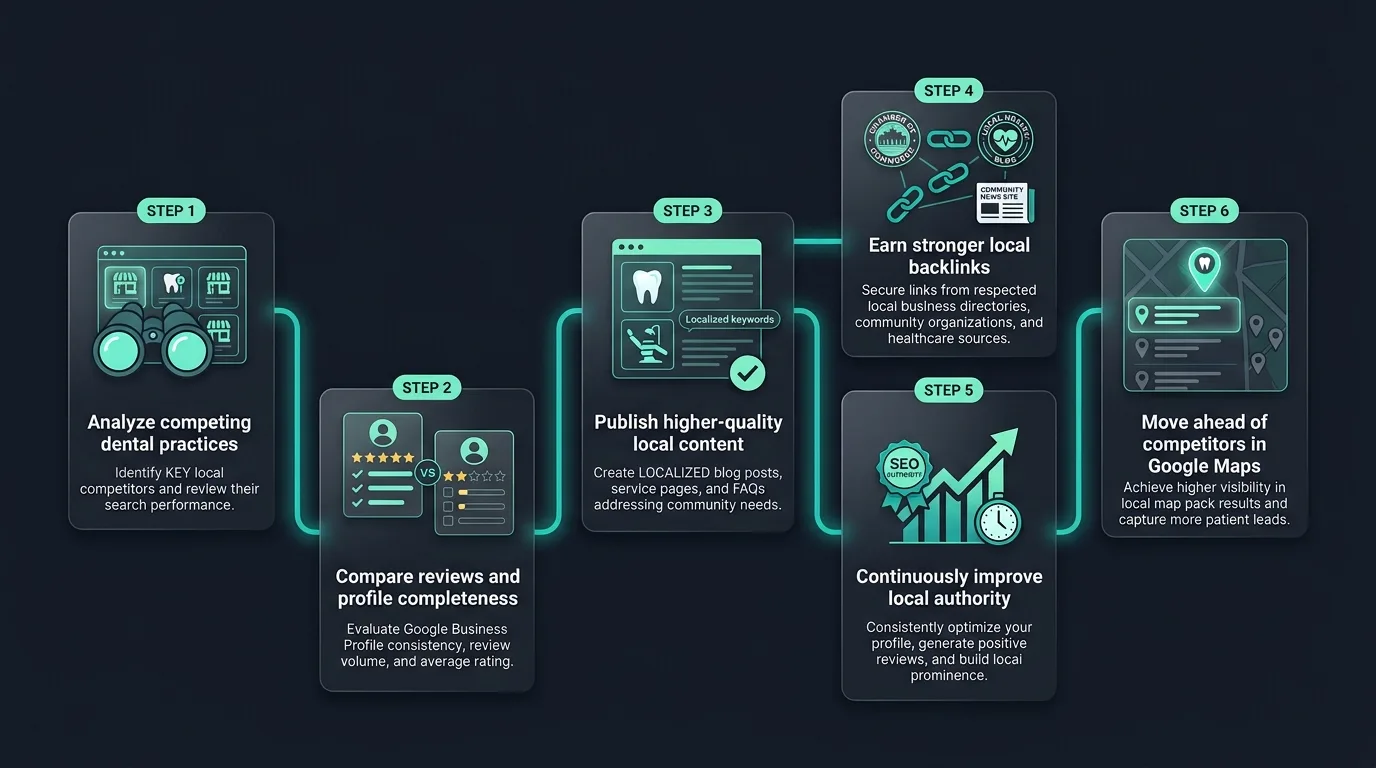 Figure 3: Outranking competitors requires a comprehensive dental search engine optimization strategy.
 Reason 6: You Have Not Built Any Local Backlinks
Backlinks are links from other websites to yours. Google sees backlinks as votes of trust. When local websites link to your practice, it tells Google that your practice is a trusted part of the community. Many dental practices ignore backlinks completely. This is a missed opportunity in local link building for dentists.
Get listed in local business directories. Partner with community backlinks from local schools or organizations. Obtain sponsorship links by sponsoring a local event and requesting that your practice be listed on the event website. Write helpful content for other local health sites via guest posting. This is part of a strong website SEO checklist.
Backlink building and press PR links are key parts of dental SEO marketing services and can make a big difference in your Google Maps ranking over time.
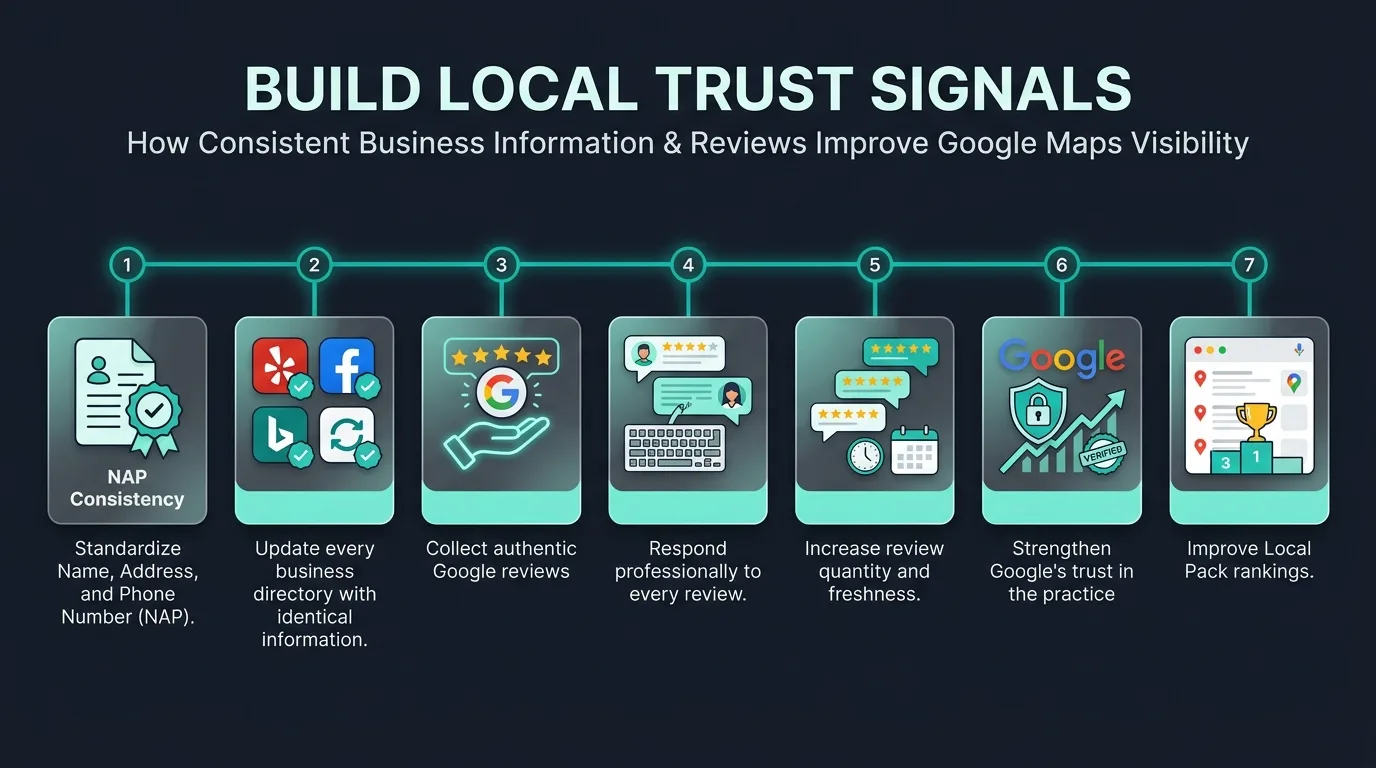 Figure 4: Local backlinks and community listings serve as powerful trust signals for search engines.
 Reason 7: Your Google Business Profile Has Not Been Updated Recently
Google rewards active profiles. If you claimed your profile two years ago and never touched it again, Google may rank more active competitors above you.
Post updates on your profile at least once a week. Share tips, photos, promotions, and news about your practice. Add new photos regularly. Answer questions in your Q and A section.
This ongoing activity signals to Google that your practice is open, active, and worth showing to local searchers. It is a simple part of Google Business Profile management that most practices overlook.
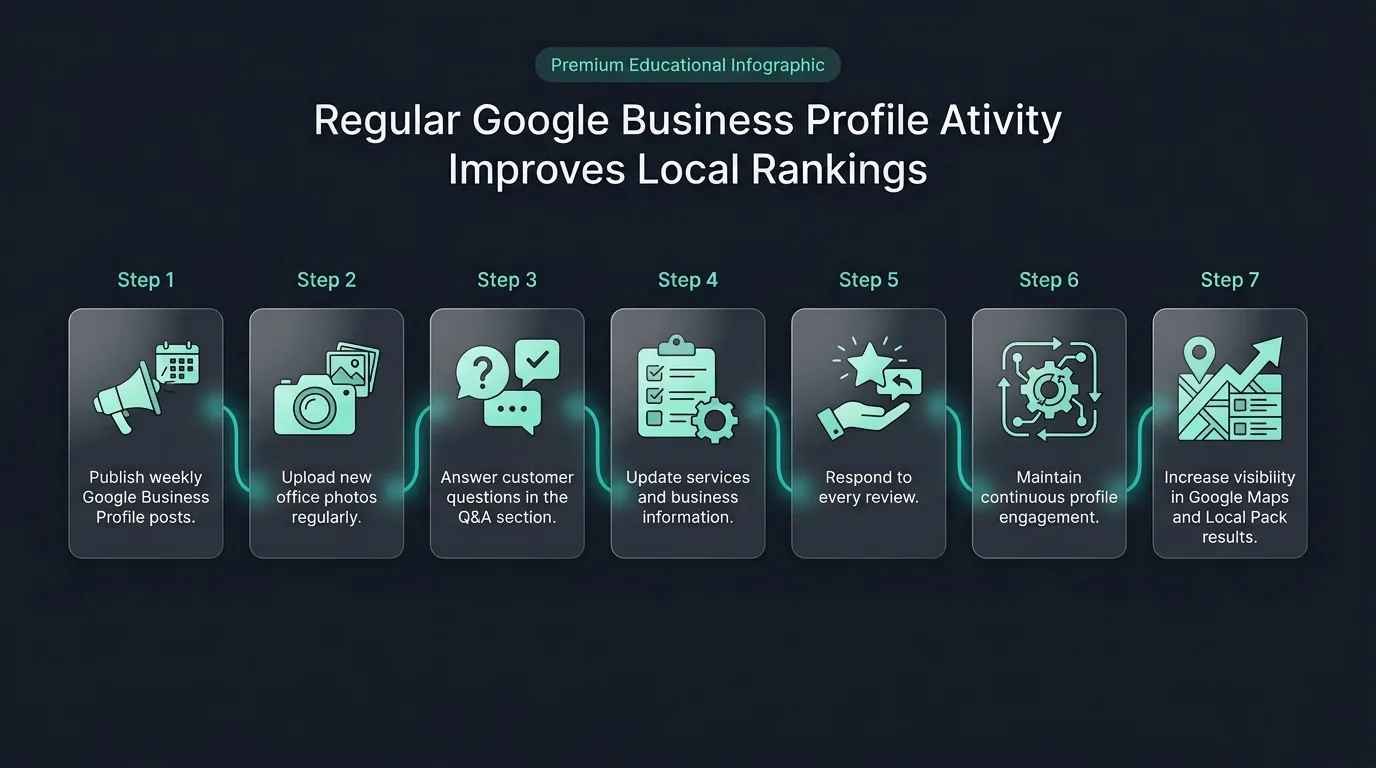 Figure 5: Regular Google posts and fresh photos signal that your practice is active.
 Reason 8: Your Practice Is Not Optimized for AI Search
This is the newest and most important reason that many dental practices are missing from search results. AI tools like ChatGPT, Perplexity AI, Google Gemini, and Microsoft Copilot are now answering patient questions directly. Patients ask these tools "what is the best dentist near me" and get an answer without ever clicking a website.
If your practice is not structured to be cited by these AI engines, you are invisible in an entirely new layer of search. This is called Generative Engine Optimization, also known as GEO. It works alongside traditional dental SEO and is now required for practices that want to stay ahead.
To get cited by AI tools as a verified source, your website needs schema markup. Schema is code that tells AI engines and search engines exactly what your practice does, where you are located, and what makes you trustworthy. Use LocalBusiness schema, Dentist schema, and FAQPage schema on your key pages.
Write content that answers specific patient questions directly. AI engines like Perplexity pull clean answers from well-structured pages and feature them in their results. If your page answers "how much do dental implants cost in your city" (similar to our guide on dental implants cost page SEO), an AI engine is far more likely to cite your practice.
This strategy is also called Answer Engine Optimization or AEO. It focuses on giving AI tools exactly what they need to feature your practice as an authoritative source in their answers. Dental SEO companies and dental marketing agencies that understand GEO and AEO will help you get featured in Google AI Overviews, cited in ChatGPT recommendations, and included in Perplexity answer boxes. This kind of visibility goes far beyond what traditional dental SEO marketing can achieve alone.
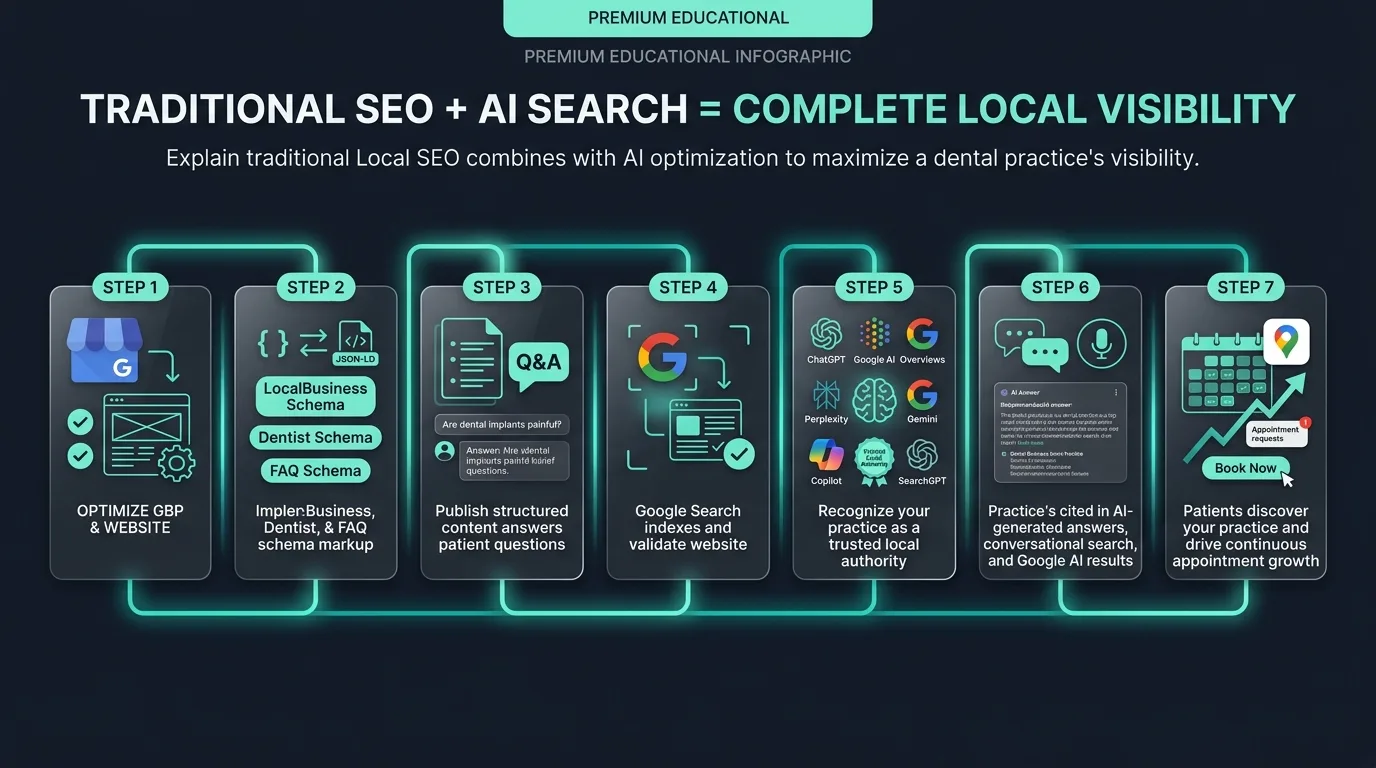 Figure 6: Structuring data for GEO and AEO ensures your dental office is cited by AI engines like ChatGPT.
 Traditional SEO Is No Longer Enough
Search engine optimization for dentists used to mean getting to the top of Google. That is still important. But it is no longer the full picture.
Patients now find dentists through AI assistants, voice search, and direct answers inside search engines. If your dental SEO strategy does not include GEO and AEO, you are only competing in part of the arena.
The best dental SEO companies are already building AI-ready content for their clients. They are structuring data, adding schema, writing direct answers, and helping practices get cited by the AI tools that millions of patients use every day.
Dental practices that invest in this now will dominate local search rankings and AI-powered results for years to come. Practices that wait will fall further behind as the shift continues. Read more about E-E-A-T for dental websites and internal linking strategy.
What to Do Right Now
- Fix your Google Business Profile and make it complete (refer to our GBP setup guide).
- Check your NAP consistency across every directory.
- Start collecting five-star reviews every week.
- Optimize your website for local dental SEO (following our dental local SEO checklist).
- Build local backlinks from trusted sources.
- Keep your Google Business Profile active with regular posts.
- Add schema markup and structure your content for AI search visibility.
These steps together form a complete dental SEO strategy. You do not need to do everything at once. Start with your Google Business Profile and reviews. Then move to your website and content. Then add schema and AI optimization.
To track your progress, implement modern tracking methodologies. Set up GA4 for dental websites, implement call tracking for dental SEO, and consult a Google Search Console guide. Utilizing the best dental SEO tools, including accurate rank tracking tools, helps you measure rankings in real-time. For a comprehensive overview of how to monitor your growth, see our guide on tracking dental SEO results, which outlines key local SEO KPIs and how to format your SEO reporting and DSO SEO reporting. Start with a local SEO audit to identify quick wins.
If you want faster results, work with a dental SEO agency or dental SEO specialist who knows how to execute these strategies correctly. The right dental SEO marketing services will help your practice show up where patients are looking, whether that is Google Maps, traditional search results, or the AI tools shaping the future of search.
Your practice deserves to be seen. Start fixing it today.

Ready to Dominate Local & AI Search?
Navigating the complexity of Local Map Packs, traditional search rankings, and emerging AI engine visibility can be difficult. Schedule a practice growth audit with our dental SEO specialists today. We will analyze your practice listings, audit your competitor strategies, and layout the exact plan needed to capture high-value cases.
Schedule Growth Assessment